Brown and foul tasting. This town's water may be the tipping point of a crisis
In Australia's most decentralised state, water infrastructure is failing, leading residents in one town to rely on the bottled variety, but it comes at a cost.
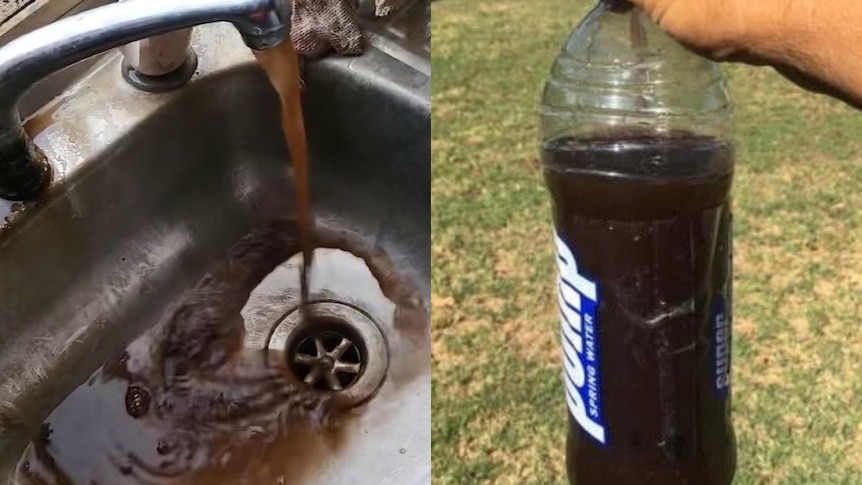
In Queensland, more than half of the state's water infrastructure is nearing the end of its service life. In the town of Hughenden, many residents have stopped drinking tap water altogether due to its unpleasant smell, taste, and color. Families are paying up to $50 a week for bottled water, with some locals likening the water's smell and taste to chlorine and pool water.
The water quality from town's bore pipes has become so poor that a local café has switched to operating solely off bottled water, including for its coffee machines.
Maree Christensen, who runs one of Hughenden's grocery stores, said locals are buying more than 800 liters of water a week. Mayor Kate Peddle has spent years campaigning for funding to improve the town's water infrastructure, noting that most of the town's bores are well past their average service life of 60 years. Replacing these old bores would cost $1 million each, and the town is constantly patching up the broken network rather than proactively upgrading it.
A Local Government Association report estimates the cost of completing urgent works on Queensland's water infrastructure at over $5 billion. Advocacy body Queensland Water says the issue has reached a crisis point. While Queensland has more than its fair share of ageing infrastructure, the infrastructure crisis is an issue across Australia, with state and territory governments regulating drinking water through state-specific legislation.
The Australian Drinking Water Guidelines (ADWG) outline what is required to deliver safe, good-quality water, but Queensland's legislation does not require full compliance with these guidelines. Dr. Georgina Davis, CEO of Queensland Water, said the issue is an infrastructure problem across Australia, not just Queensland. Despite ongoing water issues, Hughenden's population is expected to grow by 50% over the next six years, with the town acting as the major hub for a $14 billion CopperString project connecting the state's west to the national electricity market.
Written by urgent.news from ABC News AU's reporting — not their text. Machine-written — may contain errors; check the original before relying on it.