British Banks Increasingly Using Higher-Risk Assets as Collateral
U.K. banks are increasingly using higher-risk assets as collateral with the Bank of England. That’s according to a report Wednesday (Sept. 2) from Reuters, citing its own review of filings at the British central bank. On August 18, banks pledged $2.56 billion worth of the Bank of England’s highest-risk type of collateral — things like store cards and vehicle leases […] The post British Banks…
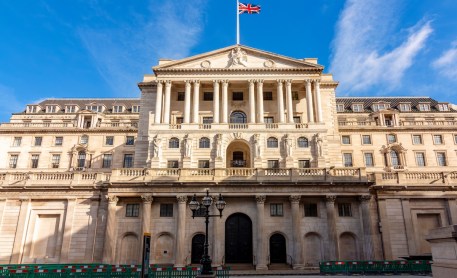
U.K. banks are turning to higher-risk assets as collateral with the Bank of England, according to a Reuters report released on September 2. The review of filings at the central bank revealed that banks pledged $2.56 billion worth of the bank's highest-risk collateral type, known as Level C assets, during a weekly auction for six-month funds on August 18.
This was the largest amount since March 2020 and three times more than the previous week, Reuters reported. The Bank of England currently holds approximately $24 billion in Level C collateral, up from $11.7 billion a year ago and less than $1.3 billion in mid-2024. These transactions highlight the central bank's exposure to higher-risk and potentially illiquid assets as the European Central Bank has tightened its collateral requirements.
A BoE spokesperson said the ILTR was created to allow banks to use a variety of assets as collateral while ensuring the central bank's protection through robust risk management. The report found that the Bank of England accepts a range of products, including mortgage-backed debt and other loans tied to future payments on homeowners' mortgages, which were key contributors to the 2008 financial crisis.
William Allen, a former head of the Bank of England's money markets division, expressed concern about the bank's actions, stating that while they have reasons to buy Grade C assets, there is a risk that excessive purchases could encourage bad lending. PYMNTS Intelligence research revealed that middle-market firms are not missing out on credit opportunities due to lender rejections; instead, it's because available credit isn't arriving quickly enough to be useful.
Written by urgent.news from PYMNTS's reporting — not their text. Machine-written — may contain errors; check the original before relying on it.