British banks in crosshairs as pressure mounts on Burnham to tax profits
Chancellor John Healey considering windfall tax on banks and oil firms Business live – latest updates The countdown is on. Two months out from Andy Burnham’s inaugural autumn budget, bank executives are wringing their hands over whether the government will target their bumper profits with fresh taxes. The chancellor, John Healey, is reportedly considering a windfall tax on both banks and oil…
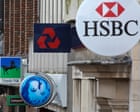
As the UK prepares for its first budget under Andy Burnham's leadership, financial institutions are facing increased scrutiny over their substantial profits. Reports suggest that John Healey, the chancellor, is contemplating imposing a windfall tax on both banks and oil companies in the upcoming budget. The UK's four largest banks – HSBC, NatWest, Barclays, and Lloyds Banking Group – have amassed £200 billion in pre-tax profits over the past five years, primarily due to the rise in interest rates.
Campaign groups such as the Trades Union Congress (TUC) and Positive Money argue that a new bank tax could assist in covering the rising costs of living, aligning with Burnham's objectives to alleviate the cost of living crisis. Paul Nowak, the TUC's general secretary, emphasized that the banks are profiting not due to improved performance or competitiveness but because of high interest rates that enable them to earn significant sums, while also benefiting from record bonuses.
Several European countries have experimented with similar tax policies in recent years. Spain's windfall tax, introduced in 2022, generated €3 billion for the government over two years to address cost-of-living pressures. The tax, which targeted banks with domestic revenues surpassing €800 million, faced opposition from banks and international financial institutions, leading to a €1.3 billion shortfall in the first year and a subsequent extension.
In Lithuania, the government implemented a 60% windfall tax on banks in 2023 to fund infrastructure projects and bolster defense spending amid the Russian invasion of Ukraine. The tax raised around €250 million in 2023 and €247 million in 2024, but its impact on competitiveness and foreign investment was contentious. Czechia, too, introduced a three-year windfall tax in 2022, which was extended a year earlier than planned due to its failure to cover state costs linked to the energy crisis.
While these tax measures aim to address rising living costs and provide government support, they have faced criticism for potentially disrupting monetary policy and making banks less competitive on the international stage. The outcomes of these experiments will likely influence how the UK approaches taxing profits, with the focus on striking a balance between supporting households and ensuring the stability and competitiveness of the banking sector.
Written by urgent.news from Guardian Business's reporting — not their text. Machine-written — may contain errors; check the original before relying on it.