Bond selloff deepens as inflation risks, oil prices jolt markets
Sovereign yields are a reference point for asset prices across financial markets and the higher price of money means higher mortgage rates for consumers and tough choices for government spending as funding costs climb.
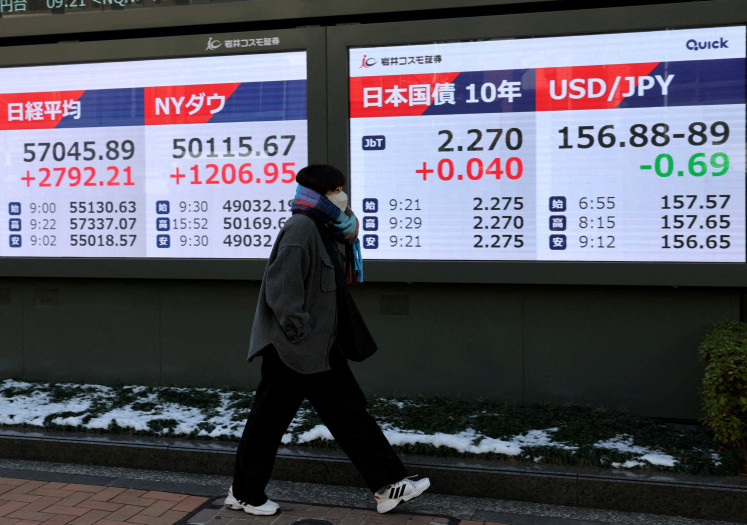
Bond selloff intensified as concerns about inflation and oil prices sent shockwaves through global markets. Sovereign yields, which serve as a benchmark for asset prices, surged sharply, prompting higher mortgage rates for consumers and forcing governments to grapple with climbing funding costs. The 10-year US Treasury note yield climbed to a near three-year high of 4.81%, with further increases toward 5% seeming imminent.
Japan's 10-year yield reached a 30-year high above 3%, while Australia's 10-year government bond yields surged to 5.198%, their highest level in over a decade. German bund futures fell to their lowest level since 2011, and French OAT futures plummeted to a record low. Charu Chanana, a chief investment strategist at Saxo, noted that bond investors are increasingly demanding a higher premium for inflation, fiscal risks, and the sheer magnitude of debt entering the market.
This intensifying selloff can potentially surpass 5% on the US 10-year yield, according to Chanana. Naka Matsuzawa, a chief macro strategist at Nomura Securities, highlighted that hyperscalers' willingness to fund the AI boom was pushing yields higher, with the focus now on whether growth can keep pace. The rising yields have put Japan, the UK, France, and Germany at the forefront, as rising funding costs collide with fiscal pressures and changing monetary policies.
The Middle East conflict has also added fuel to the fire by pushing up energy prices and heightening fears of inflation and ballooning government debt.
Written by urgent.news from The Jakarta Post's reporting — not their text. Machine-written — may contain errors; check the original before relying on it.