BoJ’s Ueda says no comment on daily moves, markets price in high likelihood of September rate hike
Bank of Japan (BoJ) Governor Kazuo Ueda on Tuesday held talks with US Treasury Secretary Bessent on the sidelines of the G20, but giving no details on what was discussed.
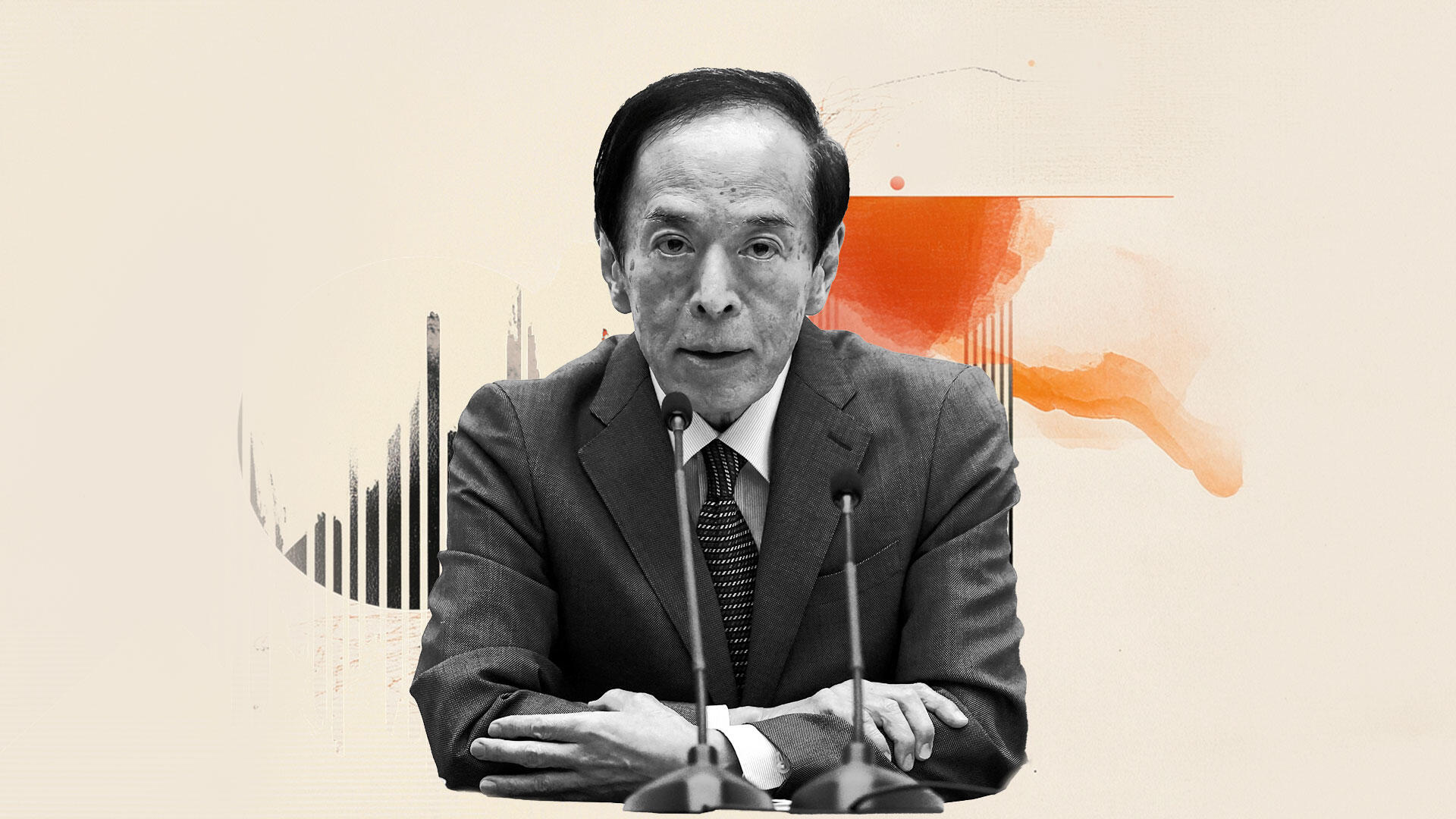
On Tuesday, Bank of Japan Governor Kazuo Ueda held discussions with US Treasury Secretary Bessent at the G20, but provided no specifics on their conversation. Ueda emphasized the necessity for enhanced communication among central banks to ensure appropriate monetary policy in the face of an evolving global environment. He did not address the markets' expectation of a high chance of a September rate hike.
The Bank of Japan (BoJ) met with US officials, but no details were disclosed. The markets anticipate a significant likelihood of a September rate increase. Data since the July meeting aligns well with the projections in the July quarterly report. The Bank of Japan's core approach to monetary policy has remained largely consistent since that meeting.
The organization focuses on issues such as the Middle East conflict, oil demand, and their impact on the economy and prices in its policy guidance. At the upcoming meeting, the Bank will discuss suitable policy options while evaluating the economy, prices, and financial conditions. The organization will assess whether the economy and prices align with their scenario alongside the associated risks.
Cumulative impact on the economy will be carefully assessed, and upside price risks will also be considered during policy deliberations. The USD/JPY pair increased by 0.02% on the day, reaching 160.20. The Bank of Japan, headquartered in Japan, is responsible for setting the country's monetary policy. Its primary goal is to maintain price stability, which translates to an inflation target of around 2%.
The bank has been employing an ultra-loose monetary policy since 2013 to stimulate the economy and fuel inflation in a low-inflation environment. The Bank of Japan's policy involves quantitative and qualitative easing, which includes printing money to buy assets such as government and corporate bonds to provide liquidity. In 2016, the BoJ doubled down on its strategy by introducing negative interest rates and directly controlling the yield of its 10-year government bonds.
In March 2024, the BoJ lifted interest rates, marking a retreat from its ultra-loose monetary policy stance. This policy shift led to a depreciation of the Yen against its main currency peers and a widening differential with other currencies, which contributed to the weakening of the Yen. The trend started reversing in 2024 when the BoJ abandoned its ultra-loose policy stance.
A weaker Yen and a surge in global energy prices resulted in higher Japanese inflation, surpassing the BoJ's 2% target. Rising salaries in Japan, a key driver of inflation, also played a role in this move.
Written by urgent.news from FXStreet's reporting — not their text. Machine-written — may contain errors; check the original before relying on it.
Also reported by 5 other outlets
- Gold Rate Today, September 2: Check 18, 22 and 24 carat gold prices in Chennai, Mumbai, Delhi, Kolkata and other cities indianexpress.com
- BOJ chief signals chance of September rate hike, debate on price risks nst.com.my
- ECB's Nagel: Markets see over 95% probability of a September rate hike fxstreet.com
- BOJ chief signals chance of September rate hike, debate on price risks straitstimes.com
- BOJ’s Ueda to decide on interest rate hike with upside price risks in mind businesstimes.com.sg