Bjarke Ingels Is Designing Better Spaces for People and the Planet
—Petra Kleis
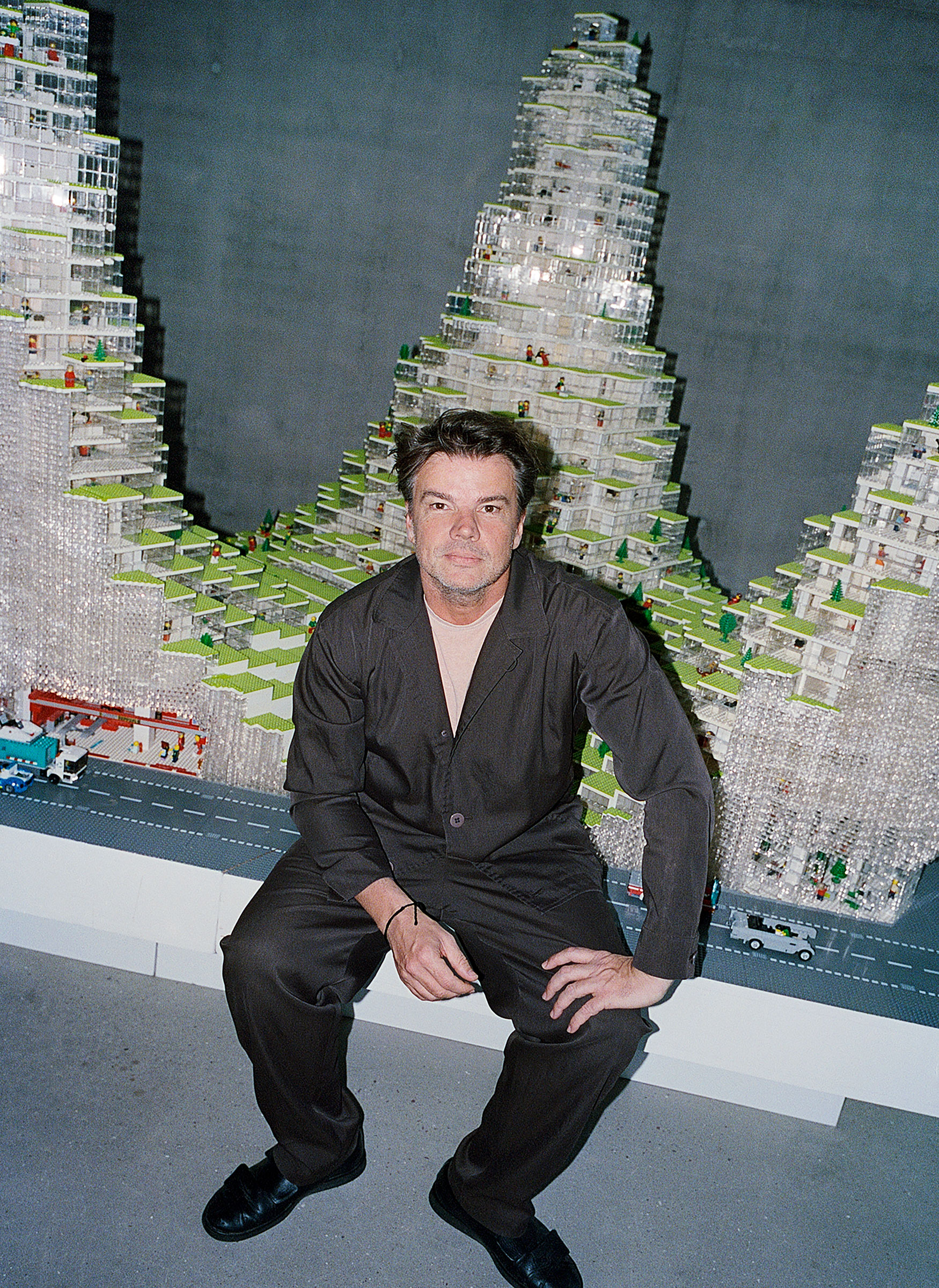
Bjarke Ingels, the famous Danish architect, is known for his designs that prioritize both people and the environment. Ingels recently purchased a retired ferryboat and transformed it into a comfortable floating home. The structure's former driveway is now a living room with sliding windows, and an outdoor terrace now occupies the space where chimney stacks and a navigation bridge once stood.
His home in Copenhagen's historic harbor serves as a model for the climate-resilient designs he promotes as the founder of Bjarke Ingels Group (BIG).
One of BIG's most notable projects is CopenHill, a skiing slope and hiking trail built on the roof of a waste-to-energy power plant. Ingels describes his approach as "hedonistic sustainability," where enjoyment and environmental friendliness coincide. He believes that integrating sustainable practices into everyday spaces makes them more enjoyable and environmentally friendly.
Ingels views sustainability as a design challenge rather than a political or social issue. He argues that sustainable alternatives should be desirable, citing CopenHill as an example. The waste management facility and power plant, rather than being a source of contention, have become an asset due to their unique design. Ingels is also working on The Dryline in New York, an adaptation project inspired by Superstorm Sandy in 2012.
This 10-mile, U-shaped flood barrier transforms environmental infrastructure into social spaces such as parks and bike paths. The East Side Coastal Resiliency Project, a 2.5-mile section of The Dryline, has already welcomed visitors, creating enjoyable and accessible waterfront spaces while preventing future flooding.
Written by urgent.news from Time's reporting — not their text. Machine-written — may contain errors; check the original before relying on it.