Bangkok Halts Three Data Centre Applications Amid Regulatory Gaps
Bangkok has suspended three applications for large stand-alone data centres following concerns over fuel storage, pollution and construction near communities, as nationwide investment applications in the sector reach 728 billion baht. Governor Chadchart Sittipunt said Bangkok has an estimated 30–40 data centres, mostly older facilities located inside company buildings and covered by ordinary…
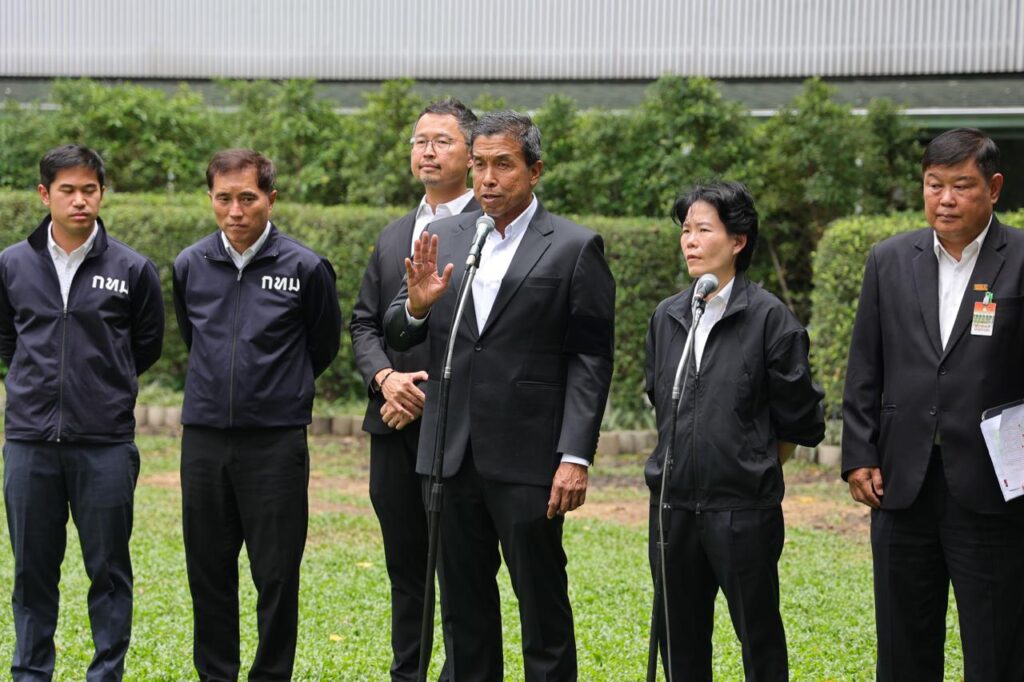
The Thai capital Bangkok has halted three applications for standalone data centres due to regulatory concerns over fuel storage, pollution risks, and construction activities near residential areas. Nationwide, investment applications in the data centre sector total 728 billion baht. Governor Chadchart Sittipunt confirmed Bangkok hosts 30-40 data centres, primarily older facilities housed within company buildings, covered by standard building permits.
Six newer stand-alone projects have applied for approval since 2021-22. Three were granted in 2022-23, while the remaining three are pending review. One of these projects, located near Rama IX Hospital, covers 19,000 square meters and includes two buildings, with a projected capacity of 20 megawatts. Its first phase was scheduled for opening this year, but it lacks authorization to operate backup generators or store fuel due to lack of legal definition of data centres.
This ambiguity has permitted developers to register the facilities as warehouses, circumventing environmental impact assessments and industrial factory licenses. Residents have reported oil odors and observed oil in nearby drains, prompting calls for air and wastewater testing and complaints about a lack of public consultation. The government formally defined data centres on August 13, enabling authorities to begin revising planning and environmental rules.
The Metropolitan Electricity Authority stated a Bangkok data centre with a capacity of 20MW typically consumes approximately 8MW, while a large shopping center or mixed-use project uses around 100MW. Similarly, the Metropolitan Waterworks Authority indicated a large data centre consumes about 7,000 cubic meters of water monthly, compared to 20,000 cubic meters for a major hospital and 30,000-40,000 cubic meters for a large shopping center.
Authorities noted that existing Bangkok facilities have not significantly impacted electricity or water supply, but they will continue monitoring resource use and potential wastewater discharge. Data centres must maintain fuel reserves to support 48 hours of backup electricity. Businesses can store up to 500,000 liters for their own consumption, while larger reserves are considered oil depots and prohibited under Bangkok planning regulations.
Unauthorized fuel storage can result in up to two years in prison and a fine of 200,000 baht. The National Economic and Social Development Council (NESDC) warned that Thailand lacks a lead regulator, environmental regulations, and enforcement mechanisms for the data centre sector. The NESDC recommended mandatory environmental assessments, resource-use reporting, electricity and water consumption targets, local-content requirements, workforce training, renewable energy use, and community participation.
The council emphasized that data centres account for 21% of Ireland's electricity consumption in 2023, warning that unchecked expansion may strain domestic power and water supplies. The government plans to convene the national data centre policy board on September 4 to address these issues.
Written by urgent.news from Thai Enquirer's reporting — not their text. Machine-written — may contain errors; check the original before relying on it.
Also reported by 1 other outlet
- Bangkok halts new data centre approvals bangkokpost.com