Australian shares remain over 1% lower after GDP data, NZ hikes rates
Australian shares remained more than 1% down on Wednesday after second-quarter economic growth slowed, though not enough to deter expectations of another interest rate hike, while New Zealand’s central bank raised rates as expected. The S&P/ASX 200 benchmark index was down 1.1% at 8,967 points, as of 0243 GMT, recovering slightly from its session low of 8,935.10 points. The index was on track for…
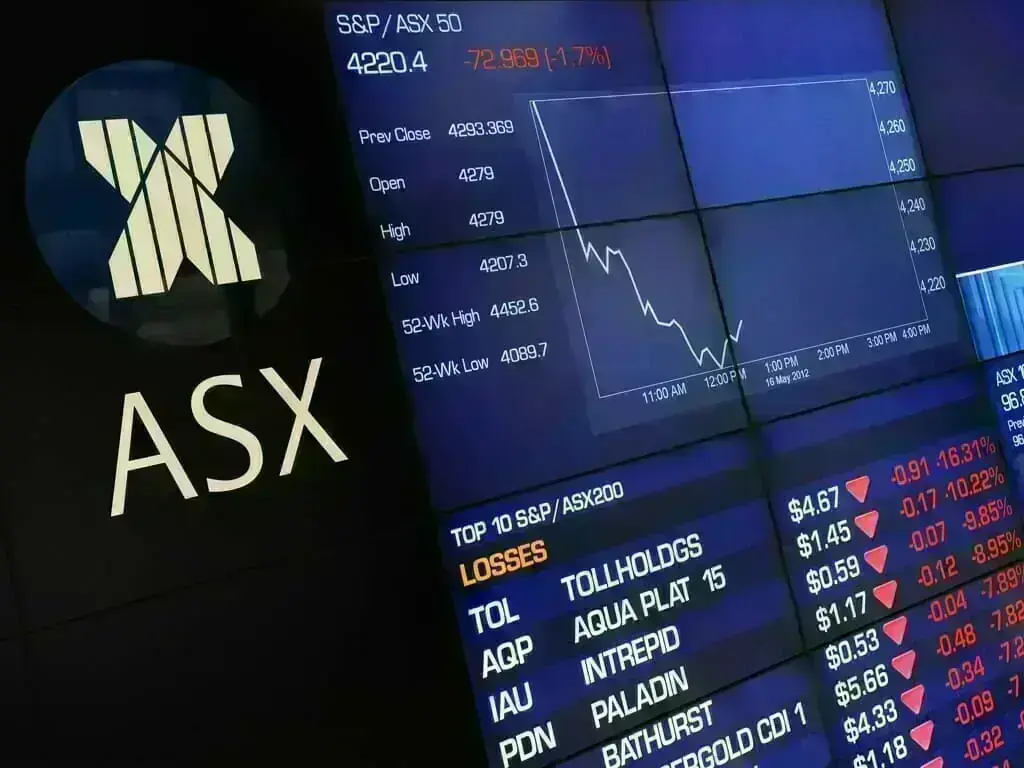
Australian shares slipped more than 1% on Wednesday following a slowdown in second-quarter economic growth, despite expectations of another interest rate hike, while New Zealand's central bank raised rates as anticipated. The S&P/ASX 200 benchmark index dropped 1.1% to 8,967 points, rebounding slightly from its low of 8,935.10 points.
It could see its worst session in nearly three months if the current trend continues. New Zealand's S&P/NZX 50 index edged higher after the central bank increased its official cash rate by 25 basis points to 2.75%, aiming to combat inflation. The index rose 0.2%. The Reserve Bank of New Zealand hinted at further rate hikes but emphasized a gradual approach.
Westpac New Zealand's Chief Economist, Kelly Eckhold, deemed the statement "appropriately balanced" and forecast the bank would maintain rates until October, with another increase in December. Australian GDP growth slowed in the second quarter but still surpassed market expectations and remained above the 2% pace the central bank believes can be maintained without triggering inflation.
Tony Sycamore, a market analyst at IG, noted that the strong GDP print provides the Reserve Bank of Australia the final green light for a fourth rate hike this year. Investors remain concerned about oil supply disruptions and inflation from the renewed US-Iran conflict, pricing in a 60% chance of an Australian rate hike later this month.
On the Sydney stock exchange, miners plummeted 3.8% for their worst session in over two months, with major iron ore producers BHP Group, Rio Tinto, and Fortescue falling more than 2% each. Gold stocks plunged nearly 5% as gold prices hit a three-week low. Real estate stocks declined 1.3%, while consumer discretionary companies slipped 0.2%. Financials remained largely unchanged, and the consumer staples index rose marginally.
Written by urgent.news from Business Recorder's reporting — not their text. Machine-written — may contain errors; check the original before relying on it.