Alexa can now spot fake messages from scammers pretending to be Amazon
Amazon launched a new Alexa for Shopping feature that verifies whether messages, emails, texts, or calls actually came from the company.
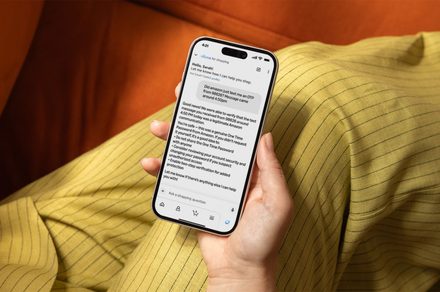
Scammers are becoming increasingly sophisticated in their attempts to impersonate reputable companies, such as Amazon, in order to deceive unsuspecting users. Amazon has noticed this trend and has taken steps to help its customers identify real messages from fraudulent ones. Starting today, Amazon customers in the United States can ask Alexa for help in determining if a message is authentic.
Simply ask Alexa "Did Amazon send me a text about a delivery problem yesterday?" and include any relevant details, such as the sender's number or email address, the date the message arrived, and its content. Alexa will then cross-reference the message with Amazon's official records of all messages sent by the company, examining factors like the sender, content, timing, and formatting.
Amazon will only confirm a message as genuine if it is completely certain; otherwise, it will inform the user that it cannot verify the message. If the message is confirmed as legitimate, Alexa will provide confirmation along with some quick security tips. However, if the message does not match any on record, Alexa will advise the user to check their orders in the Amazon app and direct them to Amazon's actual support team for further assistance.
This feature is not the first of its kind, as Amazon has also maintained a "verify@amazon.com" inbox for manual verification of suspicious messages. Users can expect Alexa to guide them to this inbox if it cannot verify a message on its own.
This new tool is a welcome addition to the ongoing battle against scams, particularly given the prevalence of scammers impersonating well-known brands or even impersonating news websites to trick people. However, it is important to note that this is still an AI system making security claims, and its effectiveness will depend on how well it performs in practice. Amazon plans to roll out this feature in the US starting today and may expand it to other regions in the future.
Written by urgent.news from Digital Trends's reporting — not their text. Machine-written — may contain errors; check the original before relying on it.