Al Capone’s fortified Miami Beach estate site sells for $21 million
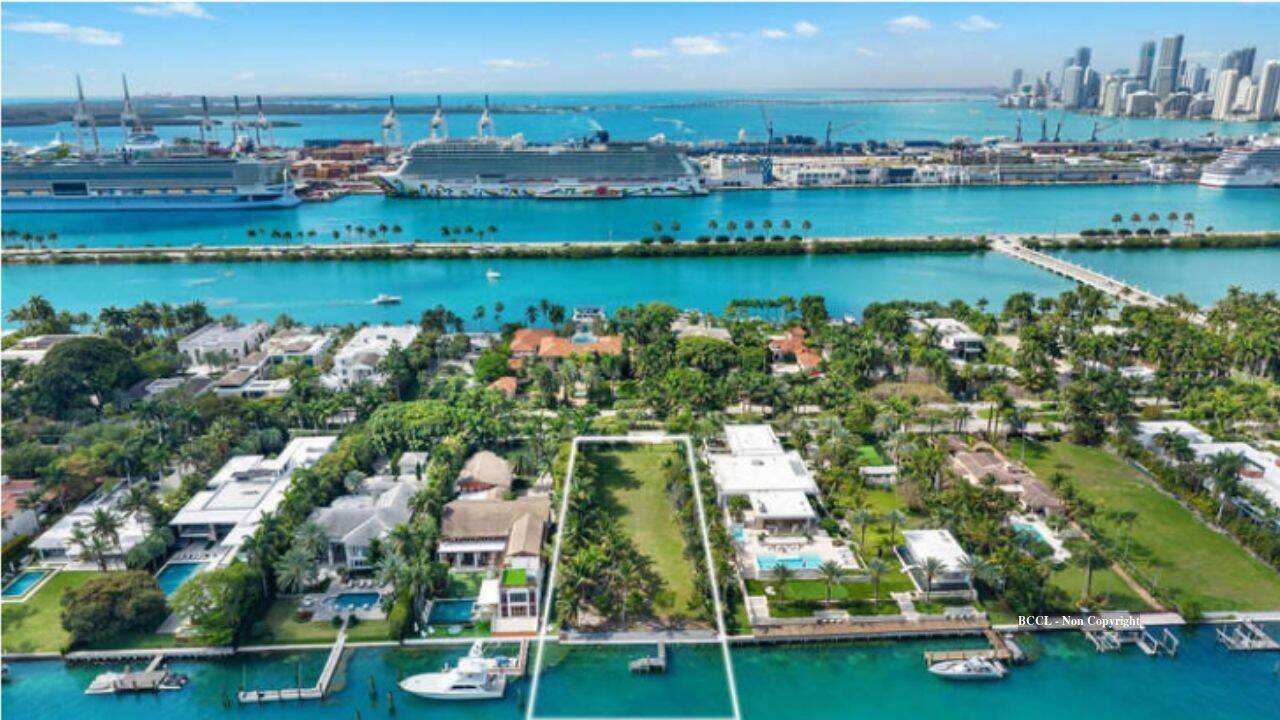
In 1928, notorious gangster Al Capone bought a large estate on Miami Beach’s Palm Island, seeking a warm-weather hideout from the cold and his enemies. Determined to protect his new residence, Capone spent around $200,000 on reinforcing the property with bulletproof walls, steel shutters and other security measures, much like the defenses he needed to survive constant threats.
Capone acquired the Mediterranean Revival mansion on Palm Island, part of the exclusive enclave known as Biscayne Bay, during the mid-1920s. The mansion featured multiple bedrooms, grand entertaining areas and panoramic views of the bay. However, Capone was not only interested in luxury; he invested heavily in fortifications to ensure his safety, recognizing the dangers that surrounded him.
The gangster used the Palm Island estate as a winter retreat from late 1928 to early 1933, hosting parties and running business while on what was ostensibly a vacation. After being convicted of tax evasion in 1931 and sent to prison, Capone's hold on the property waned. Over the decades, the mansion changed hands multiple times, serving as a private residence, boarding house and, at times, a short-term rental property.
As Miami Beach transformed into a global real estate hub, the Capone estate became a mere footnote of criminal history on increasingly valuable land.
Despite its notorious past, the mansion faced demolition due to years of deterioration and failed preservation efforts. By the 2010s, it was often referred to as a "teardown" in real estate circles. The cost of bringing the dilapidated structure up to modern standards, combined with its enormous land value, made preservation financially unfeasible. By 2023, the mansion was demolished, leaving behind a vacant waterfront lot.
The sale of the empty lot for $21 million in August 2026 reflects the soaring land values in Miami Beach. The price is driven by the scarcity of large, waterfront lots on exclusive islands like Palm Island, as well as strong demand from affluent buyers seeking privacy, security and prestige. The $200,000 Capone spent on fortifications in 1928 would be a small fraction of today's sale price, demonstrating how dramatically Miami Beach's real estate market has evolved over nearly a century.
While no official plans have been announced, the vacant lot is expected to be developed into a new, custom-built mansion for a high-net-worth buyer. With its large, contemporary design and extensive security systems, the new development would appeal to a buyer who appreciates the Capone name, even if the original house is gone. Some speculate that the developer might incorporate subtle nods to the property's history, but the site will undoubtedly reflect 21st-century tastes and technology, rather than 1920s glamour.
The sale of the former Capone estate site represents a symbol of Miami's changing landscape, where history and modernity intersect in an increasingly valuable market.
Written by urgent.news from Times of India's reporting — not their text. Machine-written — may contain errors; check the original before relying on it.