AI Efficiency Could Cost Us the Next Generation of Experts
A little over a decade ago, I led the controls design for a first-of-its-kind full digital control system for a U.S. nuclear plant. It was, on paper, a beautiful machine—engineered to run itself the way a modern airliner does, with operators watching over a system that rarely needed them. And we made a decision that, to an efficiency-minded observer, looked backward: We deliberately left manual…
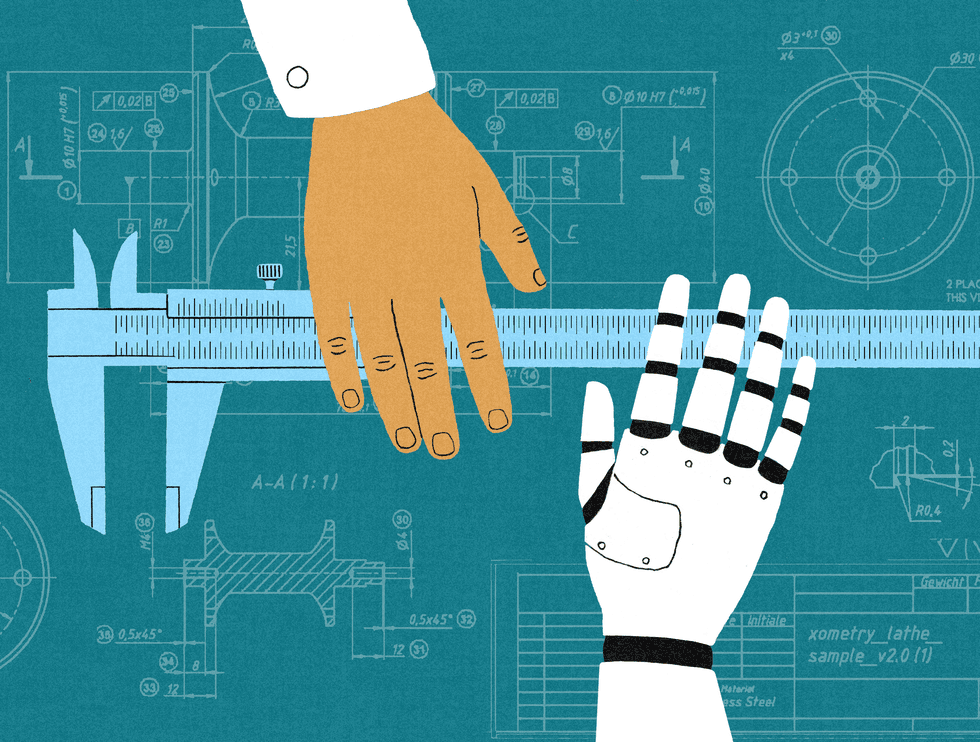
In the mid-2000s, I oversaw the development of a groundbreaking digital control system for a U.S. nuclear power plant. On paper, this system appeared to operate independently, much like a modern airplane, with human operators merely monitoring its activities. However, we made a deliberate decision to retain manual steps within certain procedures, recognizing the risk of junior operators losing their proficiency over time as the system assumed more tasks.
This was a design choice meant to maintain human expertise in the face of increasing automation. Sadly, this project never came to fruition due to political and economic factors surrounding nuclear power in the United States. Nonetheless, the underlying principle remains relevant today: what happens to human expertise when artificial intelligence takes over work that once built it?
Recent research has shed light on the impact of AI on the engineering career ladder. A Harvard study examined the employment trends of over 65 million workers in more than 280,000 U.S. companies, revealing that after the adoption of generative AI, junior employment declined by approximately 9% within six quarters compared to firms that did not adopt AI.
Conversely, senior employment continued to grow. Another analysis by Stanford University, based on ADP payroll records, found that the youngest workers in occupations heavily exposed to AI saw a decline in their employment after late 2022, while their more experienced counterparts maintained their job security. The decline in junior employment is particularly pronounced in industries where AI automates tasks, while the employment of junior workers remains stable or increases when AI merely augments their work.
While there is ongoing debate about the cause of these trends, it is essential to recognize that AI's role in the apprentice-like process of skill development is a critical factor. Traditional apprenticeships provide a structured learning environment where junior engineers acquire valuable experience through trial and error, gradually building the expertise needed to operate complex systems safely.
However, AI's ability to perform tasks with minimal human intervention may be depriving the next generation of engineers of this crucial learning process. As AI systems increasingly take over routine tasks, the gap between junior and senior engineers widens, making it more challenging for newcomers to develop the practical skills and intuition required to handle unexpected situations.
The aviation industry provides a compelling analogy to this problem. The automation paradox highlights the tension between the superiority of AI in routine situations and the irreplaceable human judgment required in complex or uncertain scenarios. In aviation, the loss of manual flying skills due to excessive reliance on autopilot has led to catastrophic accidents, as pilots become unfamiliar with the intricacies of handling an aircraft in real-world conditions.
The aviation industry's response to this challenge serves as a valuable lesson for the engineering world. Rather than eliminating manual practice altogether, aviation authorities have implemented "manual gates" that ensure pilots regularly engage in hand-flying exercises, even when operating under optimal conditions. This approach acknowledges that maintaining proficiency in manual flying skills is essential for preventing accidents and preserving the overall safety of the system.
By incorporating deliberate manual practice, aviation has found a way to balance the benefits of automation with the preservation of essential human skills. Similarly, the nuclear power plant design I once led emphasizes the importance of retaining manual controls within systems that can operate autonomously. Although this particular project was never realized, the concept remains pertinent in today's AI-driven landscape.
By preserving manual interfaces and requiring human intervention in key decision-making processes, engineers can ensure that the expertise necessary to operate complex systems is not lost in the face of rapid technological advancements. In conclusion, the rise of AI in engineering professions poses a significant threat to the development of the next generation of experts.
As AI systems take over more tasks, the traditional apprenticeship model through which junior engineers gain valuable experience is at risk of being eroded. This loss of expertise can have severe consequences, particularly in safety-critical fields such as nuclear power and aviation. To mitigate this risk, engineers must recognize the importance of maintaining manual interfaces and incorporating deliberate manual practice into their workflows.
By doing so, they can strike a balance between the efficiency gains offered by AI and the preservation of essential human skills, ensuring that the next generation of engineers remains competent and capable in the face of technological disruption.
Written by urgent.news from IEEE Spectrum's reporting — not their text. Machine-written — may contain errors; check the original before relying on it.