AI data centres could make electricity more expensive
Power-hungry hyperscale data centres could lock us into fossil fuel dependence, says Open Secrets
South Africa's energy challenges may worsen due to the anticipated growth of power-intensive data centres. The planned expansion necessitates regulation to safeguard human rights, as access to dependable, renewable, and economical energy is a persistent issue in the nation. This problem affects fundamental rights such as food, water, housing, dignity, and equality, all of which are guaranteed by the Constitution.
Despite the existing numerous conventional data centres, hyper-scale data centres are a novel addition to South Africa's digital infrastructure. These new data centres are of a vastly different scale than standard data centres. The surge in artificial intelligence (AI) is the driving force behind this demand for hyper-scale data centres.
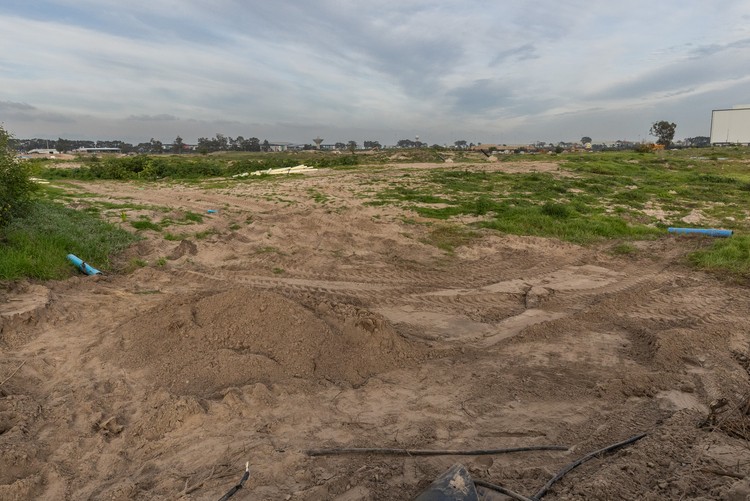
Companies employing AI technology in their systems require infrastructure that can manage high-intensity AI workloads, which in turn necessitates substantial electricity for training and operating large language models. Presently, projects to construct new hyper-scale data centres in Durban, Cape Town, and Johannesburg are underway. Collectively, these facilities will possess an electricity capacity exceeding 1000MW.
This surge in electricity demand poses a significant challenge for South Africa. For instance, eThekwini council's documents refer to a 400MW data facility, although the City has since stated that megawatt figures are unconfirmed. A 400MW facility would account for approximately 25% of Durban's current electricity demand. Moreover, residents in informal settlements within Durban lack electricity or resort to illegal connections.
A pertinent question is whether data centres will receive preferential treatment equivalent to that of other significant energy consumers. Historically, large energy consumers, such as metal smelters in South Africa's minerals-energy complex, have been granted substantial electricity discounts, even during power shortages.
Eskom, South Africa's largest power producer, is currently generating 83% of its electricity from coal. In 2024, coal will continue to dominate the country's electricity generation. If data centres rely on Eskom, their rapid expansion could lock the nation into emitting toxic air from burning coal. While some data centre developers have initiated the production of renewable energy, this approach presents its own set of challenges.
For example, Teraco, Africa's leading data centre provider, has invested in solar power in the Free State, with a solar farm expected to generate 120MW to power its data centres. However, this development raises concerns about the use of land that could otherwise be utilized for food production or to generate renewable energy for the national grid.
The public must be more involved in decisions that impact their communities, and the state must establish a regulatory framework for data centre developments prioritizing people and their rights over the interests of major technology companies.
Written by urgent.news from GroundUp's reporting — not their text. Machine-written — may contain errors; check the original before relying on it.