AI data center investment projected to hit $32 trillion by 2050 — infrastructure spending estimated to exceed capital requirements for railways, electrification, or the internet
These investments aren't massive one-time expenses — data center operators are expected to upgrade their expensive GPUs and related infrastructure every four to six years, as new semiconductor technologies arrive on the market.
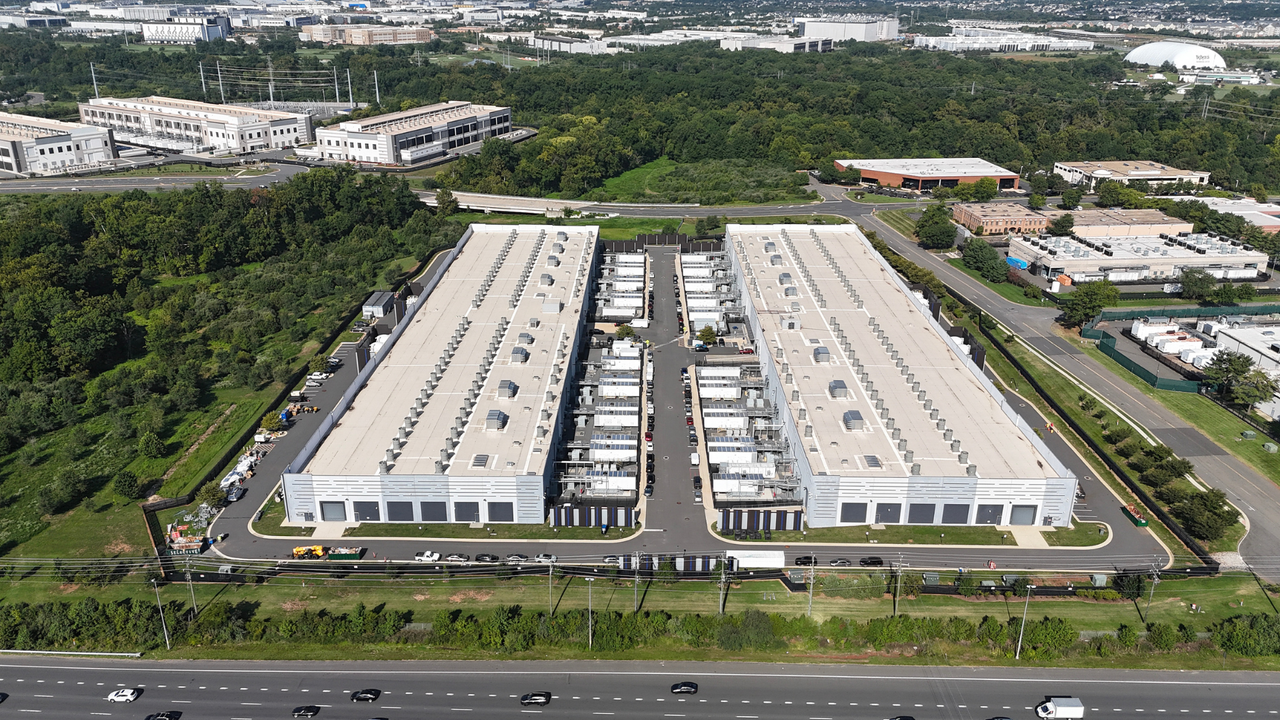
PricewaterhouseCoopers (PwC) projects that global spending on AI data center infrastructure could reach a staggering $32 trillion by 2050. This projection far surpasses the initial spending required for railways, electrification, or internet infrastructure. Bloomberg notes that the AI data center investment outpaces the capital requirements for these foundational technologies.
Unlike traditional infrastructure like railways or power grids, AI data centers require new GPU and related components every four to six years. This continuous investment cycle is unlike the one-time capital expenditures seen in other sectors. Experts caution that this rapid turnover may lead to GPU depreciation issues, potentially creating a crisis for hyperscalers that rely on these technologies.
Key regions will see significant investments: the United States is expected to allocate $15.1 trillion, while the Asia-Pacific region, including China and India, will contribute $8.2 trillion. Europe will invest $5.6 trillion, followed by the Middle East at $1.1 trillion, and Africa with $255 billion. Despite these substantial investments, risks such as power availability, data sovereignty, and chip availability could pose challenges.
Power consumption in the U.S. could reach 20% of its total supply by 2035, prompting operators to use natural gas turbines, though this contributes to jet engine shortages.
Geopolitical tensions, including trade bans on rare earth elements and high-end chips, could reduce global investment by 20%. While there are concerns about an AI bubble, Nvidia remains committed, partnering with firms to establish a $500 billion AI infrastructure fund for continued growth.
Written by urgent.news from Tom's Hardware's reporting — not their text. Machine-written — may contain errors; check the original before relying on it.
This story
This is one outlet's version. Read the fullest account.