After Achilles Shield deal, Israeli air defense dominates in Europe as continent races to rearm
The formal signing of the "Achilles Shield" deal is not only a commercial and diplomatic achievement for Israel, but it is also the final seal on a tectonic shift in Europe's defense landscape.
In less than five years, Europe's reliance on Israeli air-defense technology has resulted in a staggering $15 billion worth of Israeli air-defense deals with European Union countries. This shift occurred as Europe sought to rebuild its defenses following the end of the Cold War, a time when Israeli technology became increasingly attractive due to its industrial flexibility and a proven track record of successful interceptions.
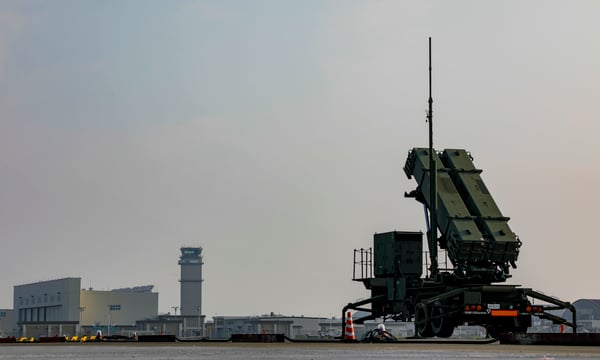
Germany is the leading European customer, having signed the largest defense export deal in Israel's history for the Arrow 3 system, with another expansion deal worth $3.1 billion approved by the Bundestag. Romania, the Czech Republic, Slovakia, Finland, and Cyprus are among the other European countries that have purchased Israeli air-defense systems.
This rapid procurement campaign has been driven by Russia's invasion of Ukraine, which exposed the limitations of European defense industries and highlighted the need for more effective air-defense solutions. The Israeli defense industries have capitalized on this opportunity, creating thousands of high-quality jobs and channeling significant funds into research and development.
However, Germany is a potential customer for Arrow 4, which could replace Arrow 2 in intercepting ballistic missiles, despite France's efforts to promote French interceptors. Meanwhile, Ukraine is developing its own interceptor systems, which may pose a future challenge to Israel's dominance in the field.
Written by urgent.news from Jerusalem Post's reporting — not their text. Machine-written — may contain errors; check the original before relying on it.