Africa: All of Africa Today - September 2, 2026
[allAfrica]
Zambia's President Hakainde Hichilema took the oath of office for his second five-year term on September 2, 2026. His victory came following a contentious election, with opposition leaders alleging electoral fraud and the arrest of their candidate, Brian Mundubile, on treason charges. European Union observers cited issues with the vote tallying and verification process, but Hichilema urged for national unity during his inauguration.
The president's second term will focus on economic growth and prosperity after previous years of economic stabilization and debt restructuring.
In Tunisia, civil society faces increasing repression under President Kais Saied's administration. Human rights groups accuse the government of using arbitrary arrests, detentions, and financial investigations to silence opposition voices. Activists warn of a climate of fear, causing citizens to hesitate before expressing dissent. Saied maintains his actions are necessary to combat corruption and protect national interests.
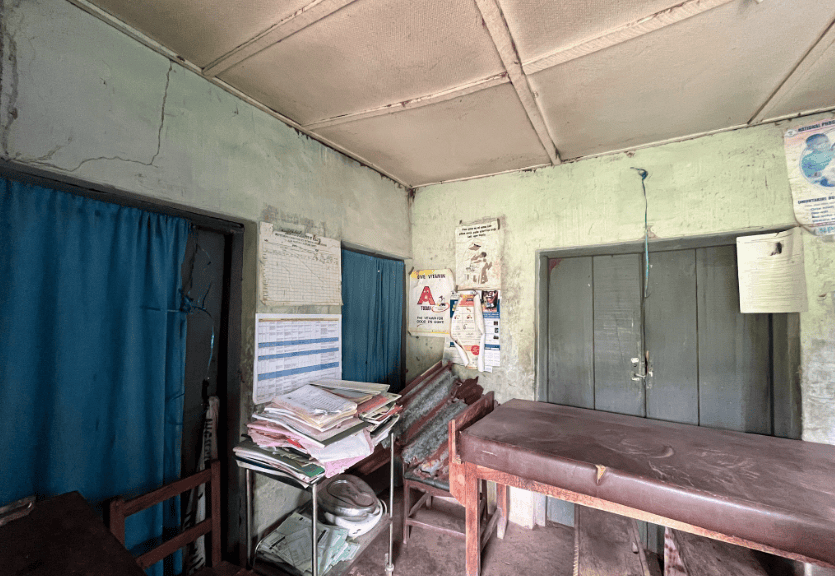
In the Democratic Republic of Congo, over 2 million students have returned to school for the new academic year. Challenges include an Ebola outbreak in six provinces, which has forced schools in high-risk areas to use remote learning. Meanwhile, the Teachers Union refuses to return to classrooms, demanding higher salaries and improved pensions and health insurance. Schools in territories controlled by the AFC/M23 group are managed by the rebel group, while teachers continue receiving government pay.
The United States FBI has confirmed that Nigerian President Bola Ahmed Tinubu was the subject of a drug-trafficking investigation in the 1990s. The disclosure comes as part of a Freedom of Information Act case seeking access to FBI records. However, the FBI's confirmation does not prove Tinubu's guilt, as portions of the records remain withheld.
Tinubu's government dismisses these allegations as politically motivated, accusing opposition figures of using outdated documents to create controversy ahead of the 2027 presidential election.
UNICEF warns that more than 162 million children in Eastern and Southern Africa could face severe risks due to the strengthening El Niño climate phenomenon. The climate shocks could lead to droughts, extreme heat, flooding, and negatively impact food and water security, healthcare, and education. Somalia, Ethiopia, and South Sudan are among the countries facing particularly grave risks.
UNICEF calls for anticipatory action, including strengthening health and education services, protecting children, and expanding social protection before the crisis worsens. The agency requires US$173 million in funding to provide life-saving assistance.
Written by urgent.news from AllAfrica Health's reporting — not their text. Machine-written — may contain errors; check the original before relying on it.
This story
This is one outlet's version. Read the fullest account.
- Africa: All of Africa Today - September 2, 2026 allafrica.com