A16z Says You Actually Love Social Media, Enshittification Isn’t Real
An a16z article argues that enshittification isn’t real and that people actually love social media.
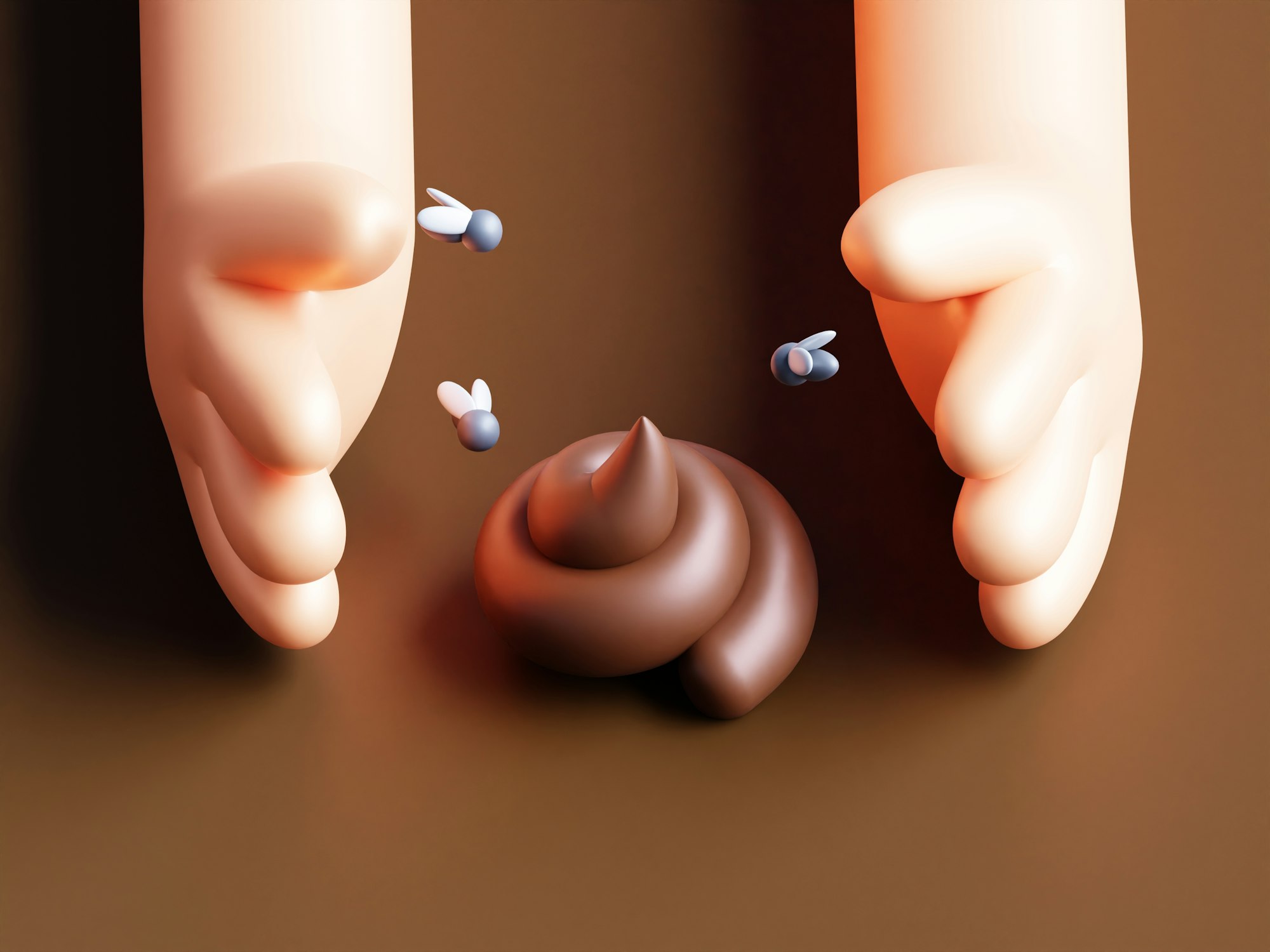
Yesterday, A16z published an article that argued the concept of "enshittification", or technology platforms getting worse after locking in users, isn't real. Professor Ruby Thelot, an NYU professor of design, AI, and media theory, believes people actually use social media more than ever and are satisfied with it. She says the issue lies in "platform narcissism" – older people like Cory Doctorow selfishly want platforms to continue catering to their needs even though they've outgrown them and should focus on raising their kids.
Platforms are still popular and well-liked, but younger people and those in different countries derive more value from them. Thelot argues that the theory of enshittification lets users who should log off an excuse to stay on platforms, making them feel trapped. She believes the worsening platform experience is due to changes in users' lives, not the platforms themselves.
Thelot's argument is supported by data showing rising user satisfaction with Instagram, Facebook, and TikTok, according to the American Customer Satisfaction Index. However, this data might be cherry-picked. While customers do rate aspects like app quality and video loading speed highly, they also express concerns about content relevance, ads, and whether children should have access to these platforms.
A recent survey by The Searchlight Institute found that voters overwhelmingly believe social media has a negative impact on society. Emerson College poll showed low confidence in social media information and increasing concerns about fake news. Cato Institute's 2021 poll revealed that 75% of Americans don't trust social media for fair content moderation.
A Reuters/Ipsos poll found three in five Americans support stronger oversight of social media companies, and 35% reported social media stresses them out. A Pew poll found that 60% of Americans support a social media ban for kids under 16.
Thelot's theory doesn't account for these concerns, which relate to the platforms' promises, the way they cater to attention-grabbing content, and the impact on younger users. While Instagram, Facebook, and TikTok may function well technically with good ads, the underlying issues of enshittification, misaligned priorities, and concerns about younger users' exposure are more significant than their performance or ad revenue.
Written by urgent.news from 404 Media's reporting — not their text. Machine-written — may contain errors; check the original before relying on it.