A look inside Apple’s relationships with Intel and TSMC
Former Apple chip supplier Intel has faced a lot of challenges since Apple ceased to be a client. It struggled to win back some of Apple’s processor manufacturing business, but seems to face one fundamental challenge — trust. That’s the very briefest gist of an extensive and outstanding report today from Culpium , which gives us an insider look at the relationship between the firms. It’s…
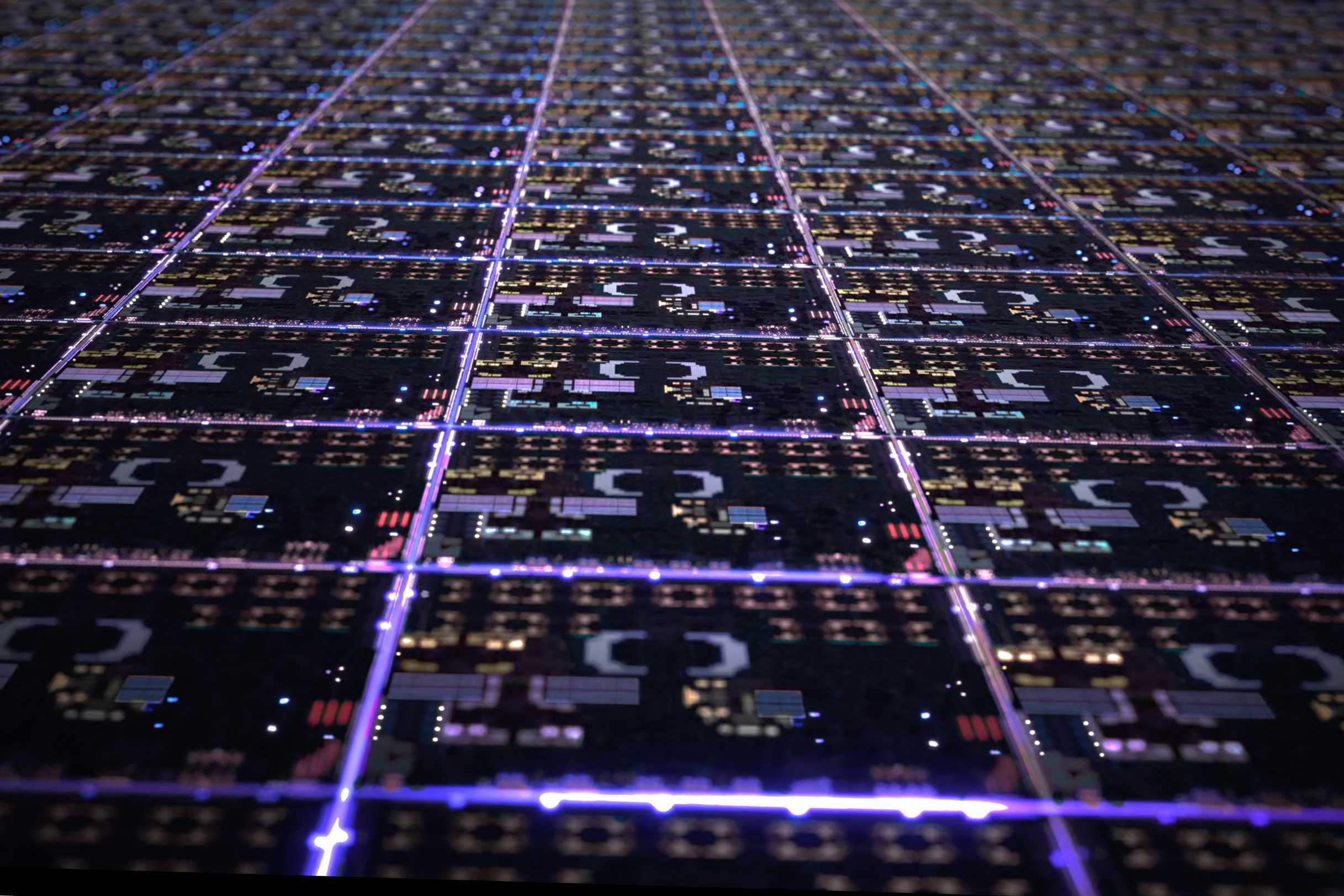
Intel has encountered numerous challenges since Apple ceased to be a client, with trust being a central issue. According to Culpium's extensive report, this trust gap led Apple to seek an alternative processor supplier in the first place. Intel failed to keep pace with Apple's M1 chip, which astonished the industry with its performance.
Apple's journey began with mobile A-series chips, which evolved into M-series Mac chips. Intel initially rejected Steve Jobs' request for mobile processors, driving Apple to TSMC. Over time, Apple developed chip creation skills, created a foundry agreement with TSMC, and produced Apple-designed chips. Intel now needs to win new contracts and secure manufacturing capacity, but Apple demands firm promises before supplying large quantities.
Intel recently attempted to build trust by promising third-party partners it had secured Apple as a client, creating potential cultural clashes given Apple's sensitivity to business discussions. TSMC, on the other hand, values trust and invests in developing advanced technology and manufacturing capacity before securing contracts.
TSMC's trusted relationship enables advanced interconnects, such as those used in Apple's M5 Ultra. Ultimately, Apple's cautious and discreet approach stems from its history of being let down by various competitors.
Written by urgent.news from Computerworld's reporting — not their text. Machine-written — may contain errors; check the original before relying on it.