‘$1.2 billion in debt’: How Robert Kiyosaki used real estate to build wealth
Robert Kiyosaki reveals he carries $1.2 billion in debt, mainly attributed to his extensive real estate investments in partnership with others. He champions the idea of using debt strategically to secure income-generating properties and amass wealth. His approach relies on capitalizing on increasing property values and utilizing LLCs for protection. While this tactic thrives in booming markets,…
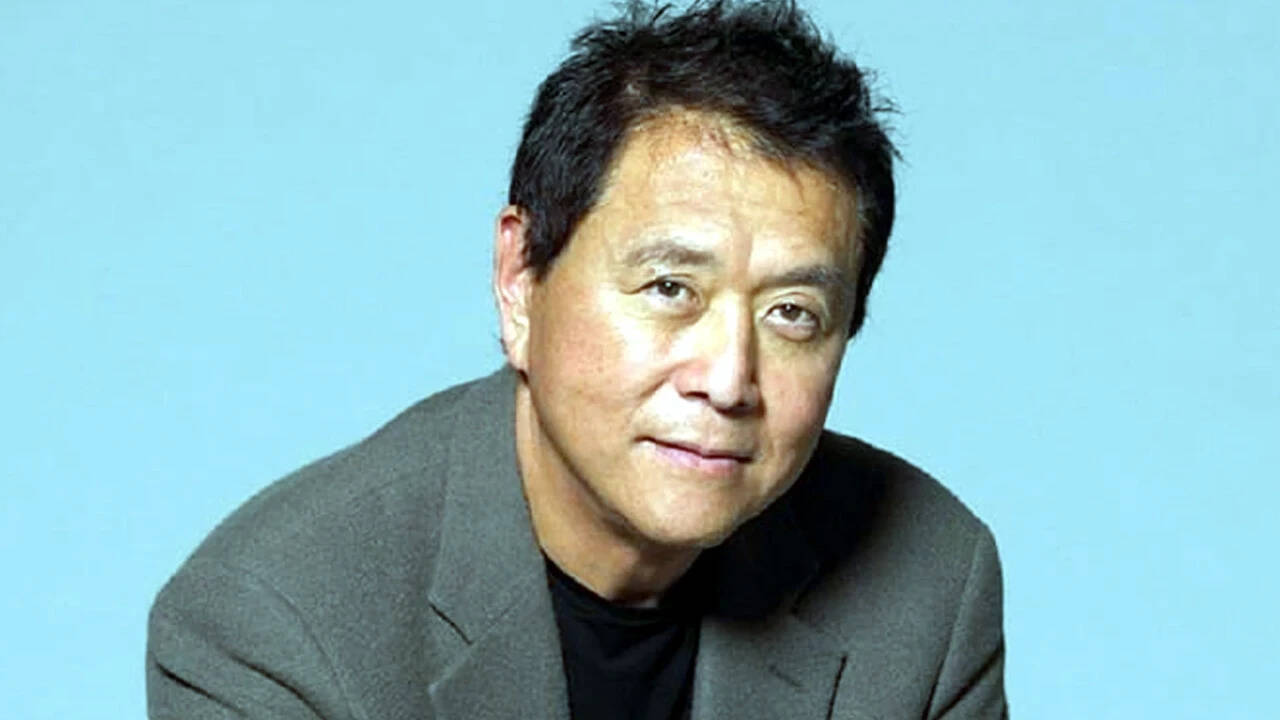
Author of the book "Rich Dad Poor Dad," Robert Kiyosaki, has disclosed his financial situation, claiming to be $1.2 billion in debt. Most of this borrowing is associated with a real estate portfolio he co-owns, according to multiple reports. Kiyosaki, a proponent of using debt to generate income, has described this figure while emphasizing that debt can be a tool for acquiring profitable assets.
When discussing his financial strategy on the "Get Rich Education" podcast, Kiyosaki cautioned potential followers against replicating his approach without proper education. He clarified that the $1.2 billion figure does not represent his personal debt. Instead, it pertains to the borrowing tied to a portfolio of around 1,500 apartment units he co-owns with partners.
According to Kiyosaki's ex-wife and business partner, Kim Kiyosaki, his personal share of the debt is relatively modest, possibly ranging from $30 million to $60 million if he earns about $3 million annually.
Kiyosaki's investment strategy hinges on leveraging rising property values to unlock additional borrowing. As the value of his real estate holdings increases, he can borrow against the added equity without selling the properties, thereby using the borrowed funds to acquire more assets or generate liquidity. The strategy also involves separating investments through limited liability companies (LLCs), which Kiyosaki refers to as "firewalls."
These structures are intended to shield individual investments from the adverse effects of others, preventing a domino effect in case of a failure.
Real estate investor and tax expert David A. Perez praised Kiyosaki's approach, stating that substantial property-backed debt is commonplace among multifamily investors. Borrowing against equity typically generates a loan instead of taxable income because the underlying property has not been sold. However, it also entails higher interest costs, mortgage payments, and increased pressure on cash flow.
Nonetheless, others have cautioned against such heavy leverage. John Poole of JPTD Partners noted that while leverage can be beneficial when property values rise, it can become perilous when that trend reverses, turning into a financially devastating "chainsaw" when conditions deteriorate.
Kiyosaki's investment philosophy has been a cornerstone of his financial-education empire since the publication of "Rich Dad Poor Dad" in 1997. The book popularized his differentiation between debt used to acquire income-generating assets and borrowing used to cover expenses.
Written by urgent.news from Times of India's reporting — not their text. Machine-written — may contain errors; check the original before relying on it.
This story
This is one outlet's version. Read the fullest account.