¿Y si asegurar todas las viviendas fuera una política social para el siglo XXI?
Nadie puede quedar desprotegido por no tener capacidad económica para pagar la prima del seguro obligatorio
As the Mediterranean heats up once again, it raises concerns about the increasing frequency and intensity of extreme weather events. Last summer, the sea experienced scorching temperatures, coinciding with storm season and reminiscent of the devastating heatwave that struck Valencia in October 2024. Experts warn that the climate in the Mediterranean basin is transforming faster than the global average, with the sea's temperature rising by 0.41 degrees per decade, compared to the global average of 0.13 degrees. Marine heatwaves are becoming more frequent, lasting longer, and growing in intensity.
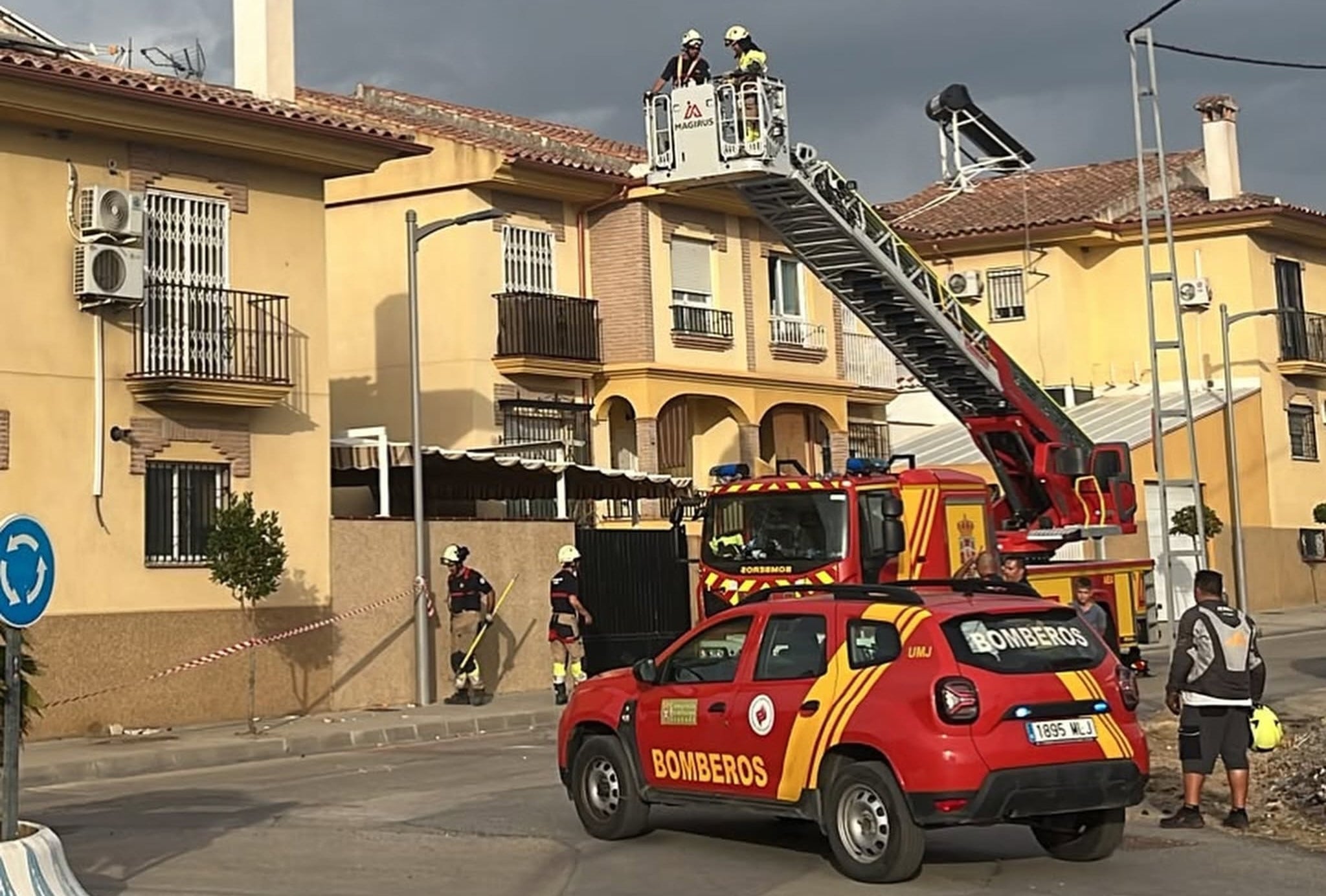
Recent days have once again highlighted the potential severity of these phenomena. In Elche, Elche and other parts of Valencia and Alicante, record-breaking temperature inversions caused strong winds, exceeding 100 kilometers per hour in some areas, resulting in material damage and numerous incidents. The ground too has shown its capacity to generate extraordinary risks, with Granada experiencing two earthquakes of magnitude 4.8 in just a few days, accompanied by numerous aftershocks.
The second quake left three people lightly injured, caused material damage, and prompted preventive evacuations. Additionally, in Bierzo, a powerful storm triggered a flood of water, mud, and rocks from a steep slope impacted by previous wildfires, killing two women and injuring five, including two minors, and causing significant material damage.
These tragedies remind us that disasters destroy not only property but also cause significant financial hardship. When they claim lives, the Social Security system provides a first line of protection through death and survivor benefits, including widow and orphan pensions, subject to established requirements. Private insurance can supplement this protection, with life or accident policies potentially triggering indemnities from the Consortium for certain extraordinary events.
However, when a catastrophe strikes a home without insurance, the Consolidated Insurance Compensation Consortium does not compensate for material damage caused by an extraordinary flood. To access this protection, one must first obtain a policy that covers affected assets and is subject to the corresponding surcharge. Yet, having insurance is not enough; if the insured capital falls short of the actual value of the home or its contents, underinsurance can occur.
In this situation, the indemnification may be proportionally reduced. A family may discover, at the most inopportune time, that the insured capital is insufficient to cover their needs.
These factors reignite the debate about the establishment of a compulsory minimum coverage for housing. In France, home insurance is mandatory for tenants and must cover specific locational risks such as fire, explosion, or water damage. Property owners in horizontal or cooperative ownership arrangements must also have liability coverage.
Portugal has a different precedent, requiring insurance against fires in horizontally owned buildings, both private and common parts. Spain has a similar provision, allowing mortgage entities to require fire insurance on a property, with the borrower choosing the insurer. However, if we consider it reasonable to require protection for a home as collateral for a bank, why not consider basic, affordable coverage for everyone's essential wealth?
Such a policy would include fire, liability, and other necessary protections against extraordinary risks, ensuring that insured capital is adequate and up-to-date. Importantly, no one should be left unprotected simply because they lack the economic means to pay the premium. Vulnerable families should not have to choose between feeding their families, paying utilities, or protecting their homes.
This minimum coverage should be accompanied by public assistance, bonuses, or even total subsidies for certain income levels to ensure that a disaster does not become an economic condemnation for those least able to bear it. After all, disasters may strike indiscriminately, but their consequences are profoundly unequal. Those with savings can rebuild, while those lacking insurance and resources may lose everything in a matter of hours due to years of hard work.
Perhaps it is time to close this gap and view a minimum home insurance policy, coupled with assistance for those unable to afford it, as a social protection policy against the catastrophes of the 21st century.
Written by urgent.news from El Pais Economia's reporting — not their text. Machine-written — may contain errors; check the original before relying on it.