Urgent.News

What's breaking now, across thousands of outlets.

Business

Wohnungskrise: Viele Mieter haben Angst vor hohen Mieten und Wohnungsverlust

Steigende Wohnkosten und Unsicherheiten belasten Mieter. Viele treibt laut einer Umfrage die Sorge um, sie könnten ihre Wohnung verlieren. Diese Maßnahmen werden diskutiert.

Wohnungskrise: Viele Mieter haben Angst vor hohen Mieten und Wohnungsverlust

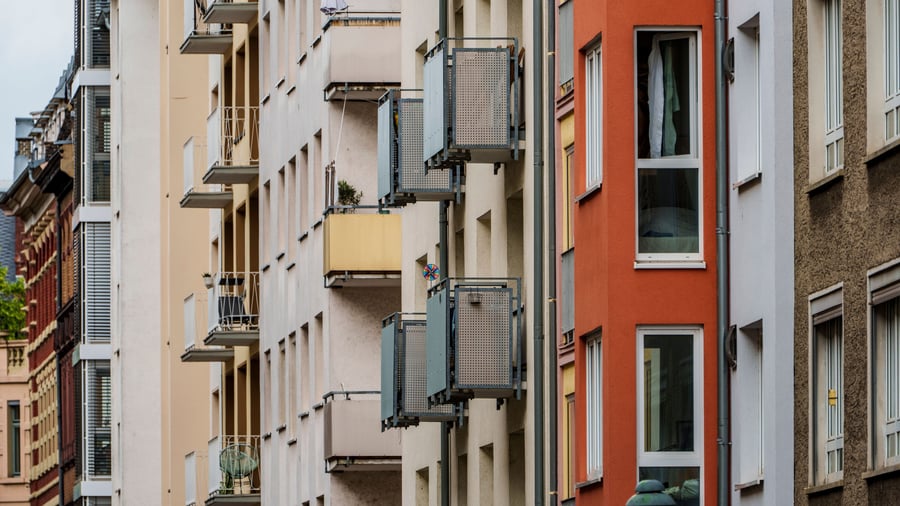
Many tenants in Germany are worried about finding suitable, affordable housing if they need to move. According to the Deutsche Mieterbund (DMB), half of all tenants in the country fear they will not be able to find an affordable replacement apartment if needed. The DMB's 2026 "Mietenreport" also highlights that 29 percent of tenants are concerned about being unable to pay their rent in the future.

Over half (58 percent) of respondents reported that their living expenses, including rent and utilities, have risen in the past year. The survey, conducted between June 29 and July 7, polled 1,021 tenants and was nationally representative. DMB President Melanie Weber-Moritz notes that the housing crisis has worsened, with many tenants living in fear of losing their homes.

This fear sometimes prevents them from asserting their rights, such as demanding a rent reduction based on the Mietpreisbremse, which only applies in regions designated as areas with a tight housing market. New rentals may not exceed a ten percent increase over the prevailing comparable rent at the start, with exceptions for first-time new builds, extensive renovations, older contracts, and short-term rentals.

To afford their housing costs, many tenants are cutting back on other expenses. Nearly half (52 percent) reportedly put less money aside for retirement. Meanwhile, one in four (25 percent) spends less on healthy food. DMB states that this shows many tenants have only a very limited financial buffer to cover expenses in case of job loss, separation, or long-term illness.

Ten percent could afford to pay only less than a month's rent if 40 percent of their net household income disappeared. The housing crisis has become a "Social State Crisis," the DMB claims. In 2025, 11.2 percent of Germans had to spend more than 40 percent of their disposable income on housing, placing Germany third behind Greece and Denmark, where the percentage is even higher.

The EU average was 7.7 percent last year. DMB calls for stricter regulations from politicians, but the group believes more is needed, such as a nationwide moratorium on rent increases and fines for landlords who charge excessive rents or violate the Mietpreisbremse rules. The proposed federal government legislation on stricter rules for renting furnished apartments is insufficient, according to Weber-Moritz.

A statutory "tenant stop" and penalties for landlords violating the Mietpreisbremse are necessary. The proposed law would protect tenants with index rental contracts in areas where the Mietpreisbremse applies from excessive rent hikes during periods of high inflation. Short-term rental contracts should be limited to a maximum of half a year.

A provision to help tenants avoid default on rent payments is also planned. The DMB president believes the regulations currently being discussed in the federal government are not enough. The property owners' association Haus & Grund criticizes the DMB, saying that simply describing the illness is not enough; more regulation is needed.

Germany currently lacks about 1.4 million apartments, the DMB notes. The coalition committee's announcement of a federal agency for affordable housing could help create more affordable housing at least partially. They also suggest capping land prices and using municipal land.

Written by urgent.news from Handelsblatt's reporting — not their text. Machine-written — may contain errors; check the original before relying on it.

This story

This is one outlet's version. Read the fullest account.
Read the original at handelsblatt.com →

More in Business

More from Tuesday 1 September →