Will Patient Deaths Derail the CAR-T Train in Autoimmune Disease?
(MedPage Today) -- Two Big Pharma companies have reportedly paused their ongoing trials of chimeric antigen receptor (CAR) T-cell therapies in lupus and other autoimmune inflammatory diseases after some participants suffered severe adverse events...
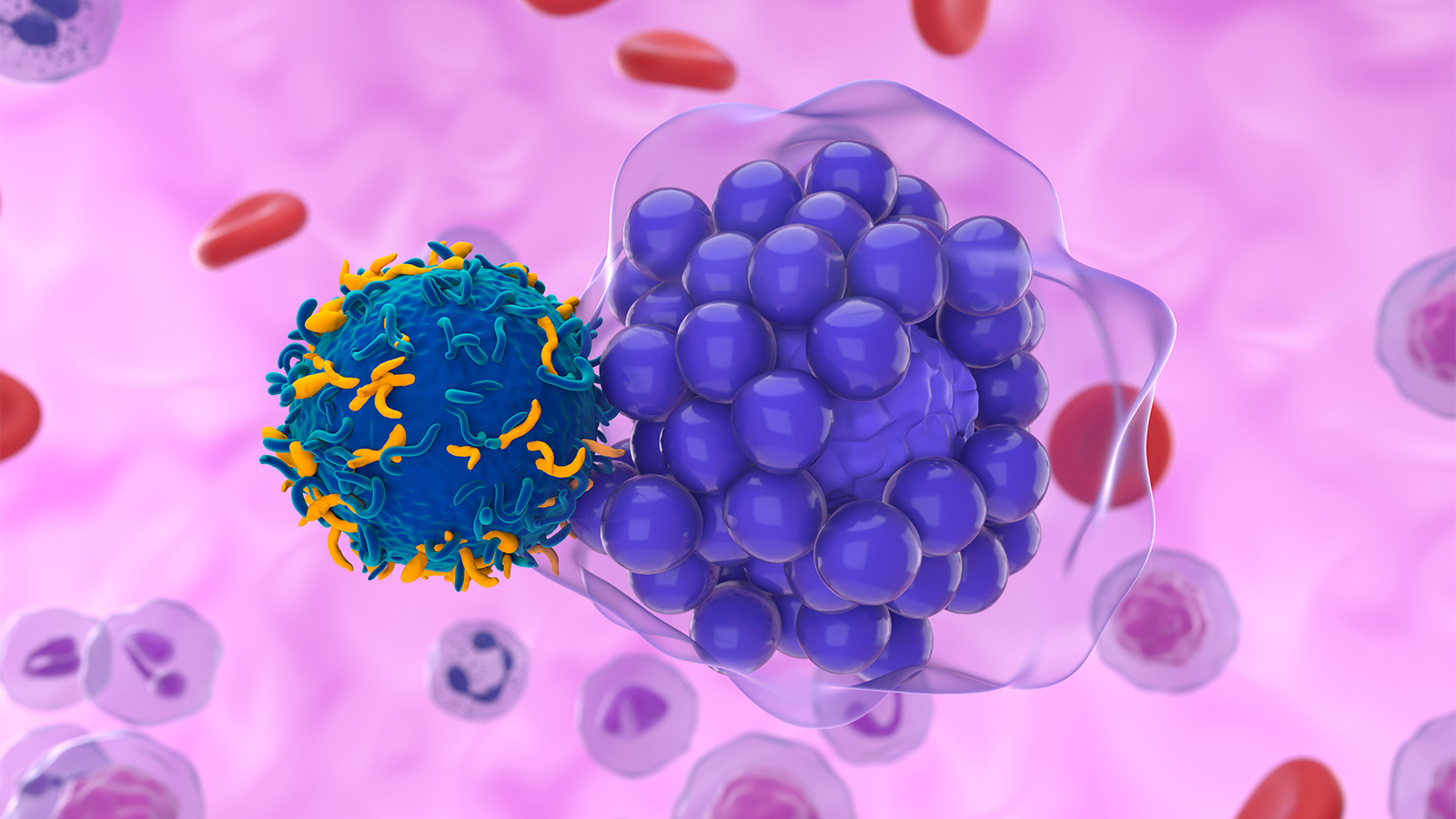
Two major pharmaceutical firms have temporarily halted their ongoing clinical trials of chimeric antigen receptor (CAR) T-cell therapies for autoimmune diseases after reports of severe adverse events, including three fatalities. Novartis suspended enrollment in its rapcabtagene autoleucel (rap-cel) trials following three fatal cases of immune effector cell-associated hemophagocytic syndrome (IEC-HS).
Bristol Myers Squibb (BMS) halted its zolacabtagene autoleucel (zola-cel) program due to unspecified transient and reversible inflammatory events. The suspensions were first reported by Fierce Biotech, with no immediate response from Novartis and BMS providing a statement confirming the report without detailing further information.
ClinicalTrials.gov lists nine rap-cel trials across various autoimmune and other conditions, while BMS has three zola-cel trials targeting SLE, systemic sclerosis, and autoimmune cytopenia. CAR T-cell therapy, initially developed for B-cell-driven cancers, has shown remarkable success in autoimmune diseases by targeting aberrant B-cell activity.
However, the treatment carries risks, including cytokine release syndrome and, rarely, immune effector cell-associated neurotoxicity syndrome (ICANS). IEC-HS, a severe complication known in hematologic cancer applications, has not been reported in autoimmune disease patients, even though it's a rare side effect. While BMS maintains that the overall safety profile of zola-cel remains consistent with other CAR T therapies, the fatal events pose a significant concern.
The companies' decisions to pause trials raise questions about the safety and feasibility of bringing CAR T-cell therapy to market for autoimmune diseases, especially given the low life expectancy associated with these conditions.
Written by urgent.news from MedPage Today's reporting — not their text. Machine-written — may contain errors; check the original before relying on it.