Why everyone in quantum computing is buzzing about Google’s move into ‘neutral atoms’
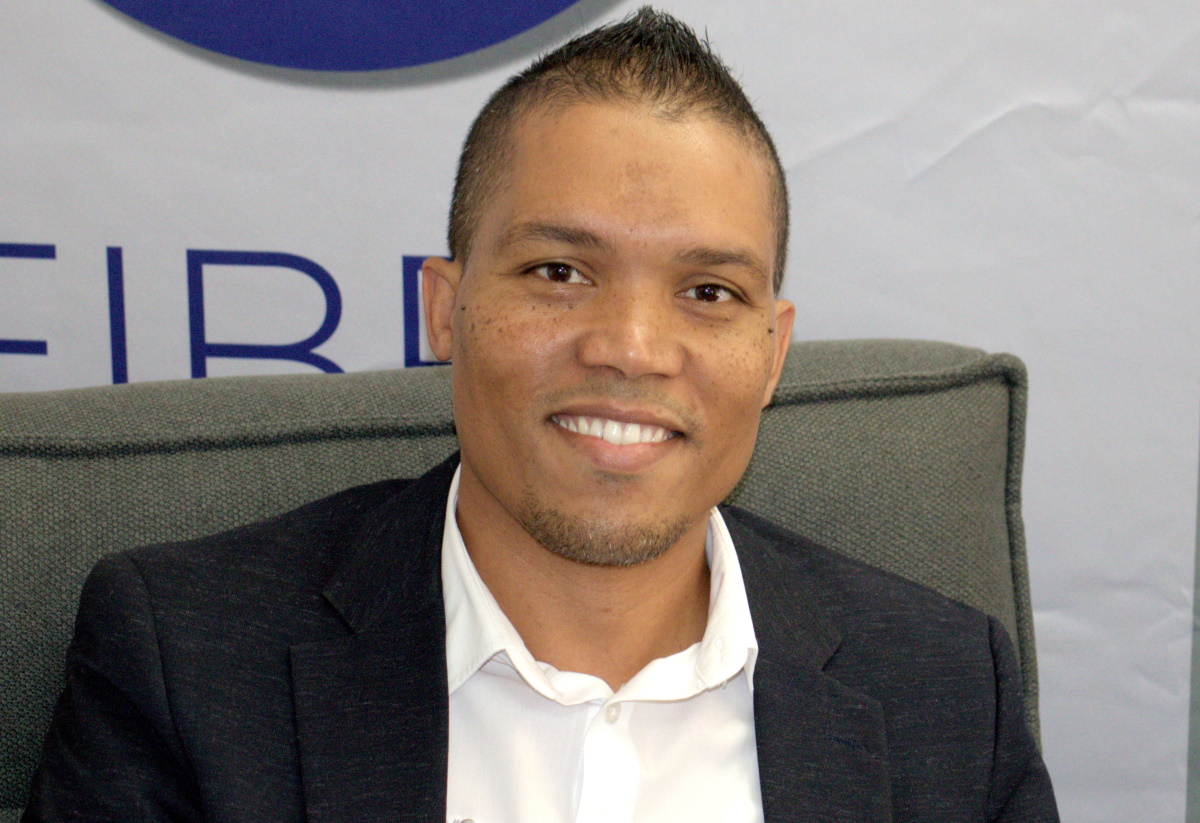
Adam Kaufman was already “physicist famous” before Google came calling this spring. A leading quantum researcher at the National Institute of Standards and Technology (NIST) and a fellow at JILA—a research institute for the physical sciences run by NIST and the University of Colorado, Boulder—Kaufman is an expert in the use of lasers to precisely control rare-earth atoms for timekeeping and…

Quantum researchers and experts are abuzz over Google's recent decision to venture into neutral atom quantum computing. Adam Kaufman, a renowned physicist from the National Institute of Standards and Technology (NIST) and a fellow at JILA, a research institute affiliated with NIST and the University of Colorado, Boulder, was recently recruited by Google to lead a new Boulder-based hardware team.
Google's quantum research program has primarily focused on superconducting qubits, but neutral atom quantum computers are gaining traction as a promising alternative.
Neutral atom quantum computers use individual atoms as qubits, which are not charged and can be easily manipulated with lasers. These systems can be cooled and operated at room temperature, allowing for densely packed arrays and the potential to scale to thousands of qubits without increasing size or requiring modular components. In contrast to superconducting computers, which necessitate cryogenic cooling systems, neutral atom computers can be built in smaller, more cost-effective setups.
Google's decision to focus on neutral atom quantum computing signals a validation of the technology's potential to become a key player in the race to quantum utility. While it may not displace superconducting qubits as the leading approach, neutral atom systems are poised to contribute significantly to the advancement of quantum computing. Boulder, Colorado, is already a hub for quantum research, with the presence of NIST, JILA, and the University of Colorado, making it an ideal location for Google's latest endeavor.
Written by urgent.news from Fast Company's reporting — not their text. Machine-written — may contain errors; check the original before relying on it.