When plastic companies write the lesson plans
The plastics industry is offering schools curricula that cast plastics as safe, recyclable, and a source of good jobs. Critics say it’s propaganda.
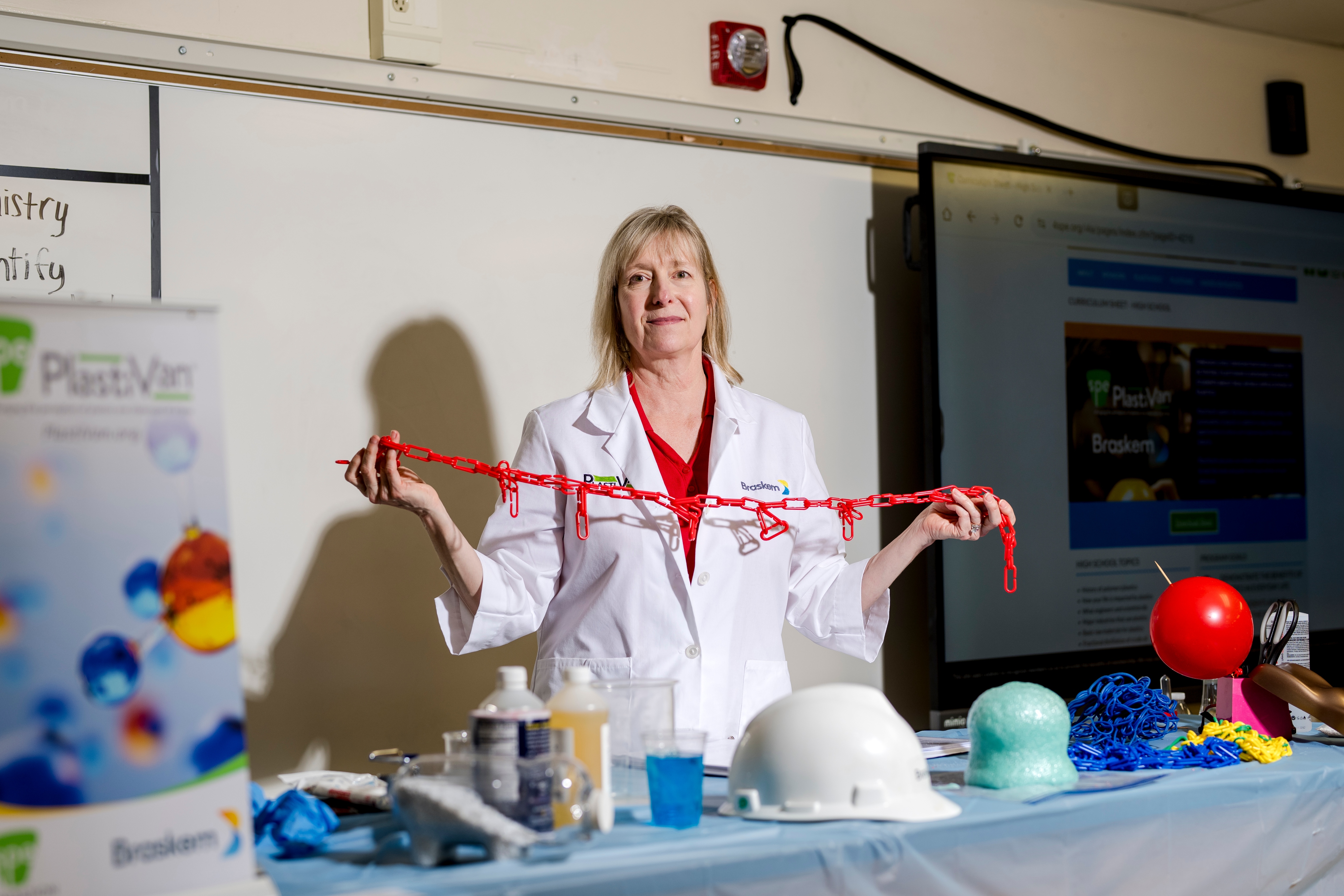
The new school year will see 54 million K-12 students returning to lessons in math, English, history, and biology, but they are also being exposed to a new subject: plastics. A report by the nonprofit Plastic Pollution Coalition reveals how the plastics industry has been inserting its agenda into classroom curricula across the U.S. through lesson plans, worksheets, hands-on science experiments, and the "PlastiVan" program, which travels from city to city teaching students about the importance of plastics in modern life.
Industry-sponsored materials tend to emphasize the necessity of plastics while downplaying their negative impacts on human health and the environment. These resources are offered to teachers for free or at a low cost, allowing them to promote plastics' affordability and safety. However, the report highlights that only 9 percent of all plastics are recycled worldwide, and recycling alone cannot keep up with the growth in plastic production.
The Plastic Pollution Coalition, through its senior policy and advocacy manager Madison Dennis, calls for stricter policies against the use of industry-sponsored learning materials, citing the obfuscation of the true impacts of plastic pollution. She further warns that these materials may present ideological perspectives on the economy, such as the desirability of cheap consumer goods, rather than focusing on teaching scientifically accurate information.
The report presents four case studies of plastics industry "propaganda" for schoolkids, including the Society of Plastics Engineers (SPE) and the American Association of Chemistry Teachers (AACT). These organizations' lesson plans involve activities like scavenger hunts, comparing plastic bag strength, and pretending to design a plastic bag for Dow Chemical Company. The PlastiVan program, initiated in 2011, has reached over 132,000 students.
The report also highlights how plastics propaganda has been infiltrating schools since the 2000s, with a notable example being the California Department of Education's addition of a "Advantages of Shopping Bags" section to high school textbooks in response to lobbying from a plastics trade group in the 2009-2011 period. Additionally, Shell, a petrochemical facility operator, has invested millions into developing plastics-related curricula and recycling programs, often in exchange for contributions to schools near its complex. However, Shell did not respond to requests for comment.
Written by urgent.news from Grist's reporting — not their text. Machine-written — may contain errors; check the original before relying on it.