When agents move at machine speed, security teams lose their lag time
The agentic AI attack surface is less a matter of new territory than of new velocity, as autonomous software now reads, writes and moves corporate content faster than any human adversary could. That shift is forcing security leaders to rebuild detection, visibility and governance around agents they cannot always see. Much of that activity is […] The post When agents move at machine speed,…
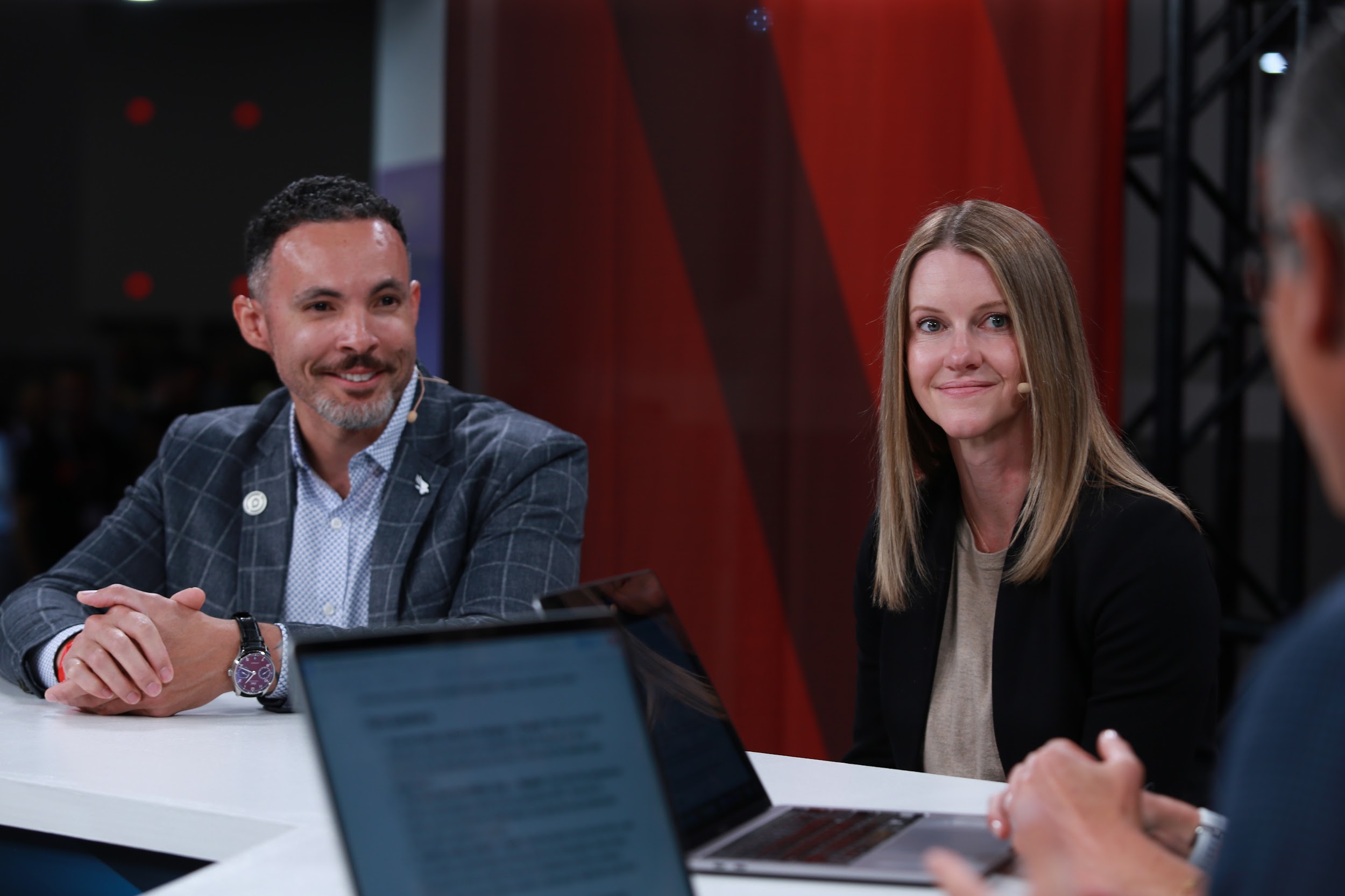
Agents powered by artificial intelligence are amplifying security challenges for organizations, as these autonomous systems operate at speeds far surpassing human adversaries. In response, security professionals must adapt their detection, visibility, and governance strategies to account for this rapid acceleration. CrowdStrike has addressed this issue by incorporating AI agents into its Falcon platform, treating each agent as a distinct asset with its own identity and data footprint.
According to Cristian Rodriguez, field chief technology officer of the Americas at CrowdStrike, AI systems can significantly expand an organization's attack surface, making traditional security measures insufficient. Heather Ceylan, chief information security officer of Box Inc., echoed this sentiment, emphasizing the need for real-time detection and visibility in the face of AI-driven attacks.
As early adopters grapple with the implications of AI proliferation, they are turning to CrowdStrike for guidance on establishing robust visibility and governance programs. However, the quest to secure the agentic AI attack surface remains an evolving challenge, with no standardized architecture or shared responsibility model in place.
Security leaders must continually adapt to this rapidly shifting landscape, as the nature of AI-driven threats continues to evolve.
Written by urgent.news from SiliconANGLE's reporting — not their text. Machine-written — may contain errors; check the original before relying on it.