What Malaysia’s new energy efficiency policy means for your bills, appliances
KUALA LUMPUR, Sept 2 — Malaysia’s new energy-efficiency plan aims to cut energy demand by 11.6 per cent...
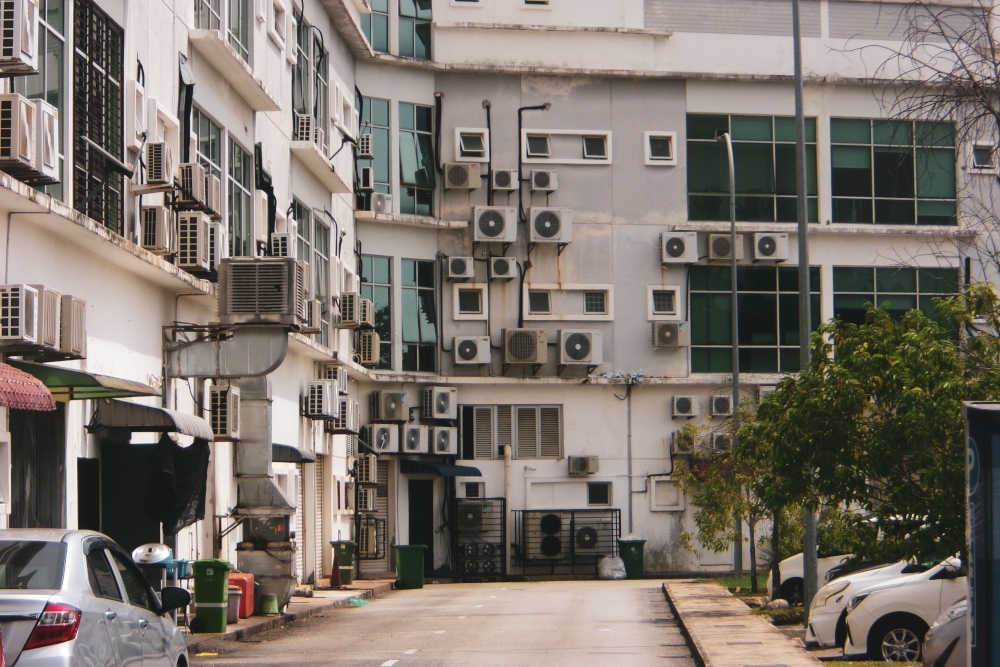
Malaysia's new energy-efficiency plan, known as the National Energy Efficiency Policy and Action Plan (NEEAP) 2.0, targets cutting energy demand by 11.6% by 2035. This plan is expected to generate approximately RM85 billion in energy-cost savings and save 815,000 terajoules (TJ) of energy cumulatively.
The policy aims to improve energy efficiency across households, businesses, and industries, with the government expecting about RM36 billion in private investment, around 29,000 new jobs, and a reduction of 26 million tonnes of carbon dioxide equivalent (CO2e) emissions by 2035.
The projected energy savings equivalent to the energy needed to meet Peninsular Malaysia's electricity supply needs for nearly two years. Meanwhile, the avoided CO2e emissions are roughly equivalent to the annual emissions of 5.7 million cars.
One of the main changes under NEEAP 2.0 is that energy efficiency will cover electricity, gas, and thermal energy consumption, rather than just focusing on electricity. Economy Minister Akmal Nasrullah Mohd Nasir stated that the plan will introduce energy-saving measures across industrial, commercial, and domestic sectors.
Changes to appliance efficiency ratings and consumer behavior education are anticipated to be some of the visible impacts for households. The government is also planning to introduce energy management, reporting, and audits for larger energy users once certain energy-use thresholds are reached.
While these changes may not directly reduce electricity tariffs, greater energy efficiency could lower households' and businesses' energy costs by using less energy or producing the same amount with more efficient equipment. However, the specific savings would depend on factors like the appliances used and energy-consumption behavior.
There is no single date when Malaysians will experience these changes, as NEEAP 2.0 is a continuous effort through 2035. The policy aims to complement Malaysia's commitment to achieving net-zero emissions by 2050 by optimizing energy consumption and enhancing the efficiency of energy use.
Written by urgent.news from Malay Mail's reporting — not their text. Machine-written — may contain errors; check the original before relying on it.
This story
This is one outlet's version. Read the fullest account.