Vagus nerve stimulation induces brain vascular rhythms linked to later learning performance
New research in mice shows that stimulating the vagus nerve after training enhances long-term learning. The stimulation also triggers rhythmic changes in brain blood flow, suggesting learning depends on more than just chemical signaling between brain cells.
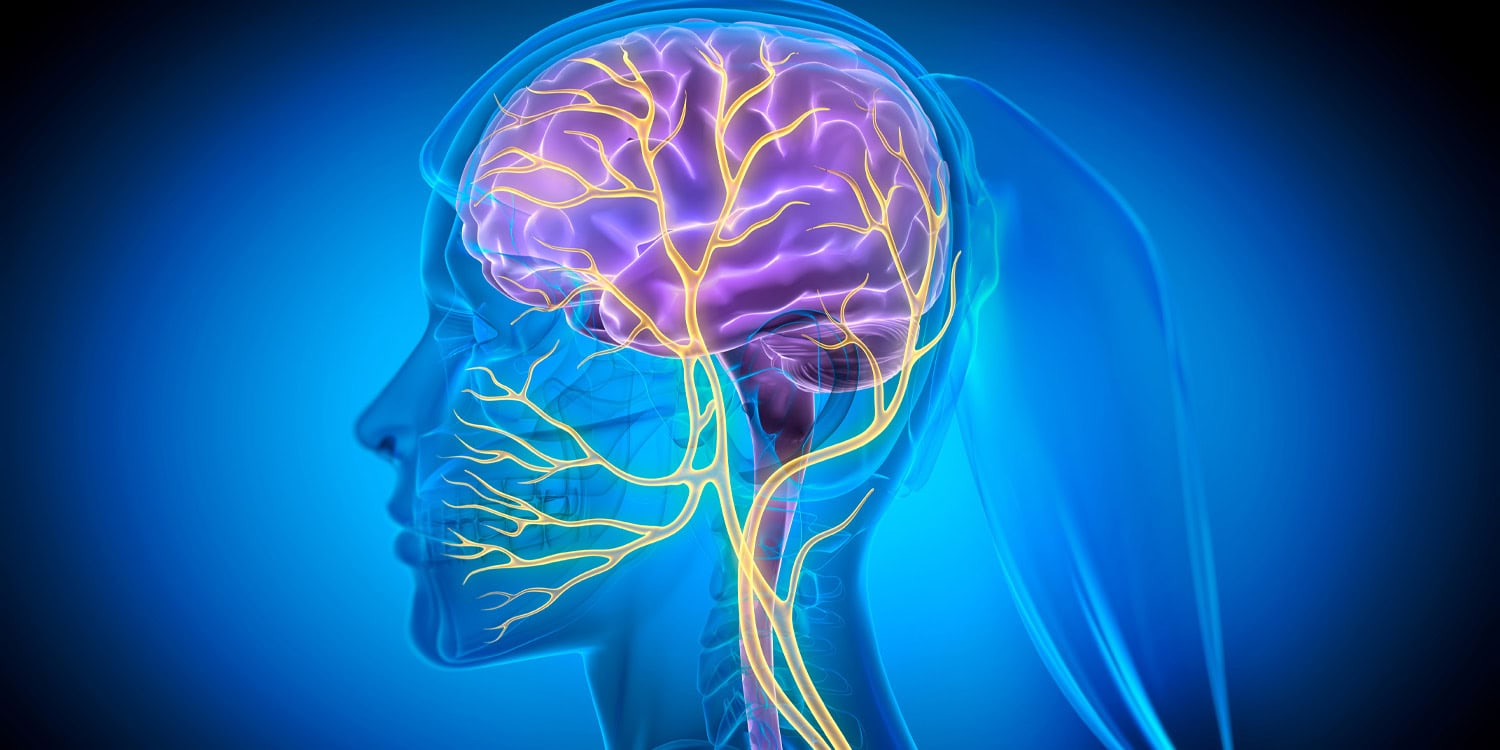
A recent scientific study published in the journal iScience reveals that stimulating the vagus nerve in mice can lead to rhythmic changes in brain blood flow, which in turn may impact the animal's long-term learning abilities. The vagus nerve, a crucial communication link between the brain and the body, was already known to play a role in regulating various bodily functions such as heart rate, breathing, and digestion.
Researchers from Tohoku University in Japan sought to determine whether peripheral signals triggered by vagus nerve stimulation could directly influence blood vessel activity within the brain.
To investigate this, scientists implanted a custom-made cuff electrode around the left cervical vagus nerve of mice, enabling controlled electrical stimulation. While performing a motor training task called the horizontal optokinetic response, which measures learning performance, mice were divided into two groups - one receiving vagus nerve stimulation after each training session and the other serving as a control group with no stimulation.
The researchers observed that while immediate performance showed no significant difference between the two groups, those mice that received vagus nerve stimulation demonstrated superior eye-tracking abilities between the second and fifth days.
The intensity of electrical pulses delivered to the vagus nerve affected the timing of these benefits. Mice receiving higher-intensity pulses showed improved eye-tracking performance as early as the second day, while those receiving lower-intensity pulses showed improvements by the fifth day. Furthermore, the researchers employed fiber photometry to monitor blood volume fluctuations in the cerebellar flocculus, a brain region involved in eye-movement learning.
They injected a fluorescent protein into the mice's bloodstream to directly visualize blood volume changes. Their findings demonstrated that each vagus nerve stimulation burst caused an immediate, two-part reaction in blood vessels - a brief constriction followed by a larger dilation. These changes created rhythmic fluctuations in local blood volume, suggesting that the benefits of vagus nerve stimulation may extend beyond chemical signaling and involve the brain's vascular system.
Written by urgent.news from PsyPost's reporting — not their text. Machine-written — may contain errors; check the original before relying on it.