Trump’s Lake Ontario name change clashes with a centuries-old treaty. Google Maps is on the hook, too
According to the president of the Seneca Nation, President Donald Trump’s executive order to rename Lake Ontario to Lake America is more than merely controversial: It flies in the face of a 232-year-old treaty—and social media thinks mapping platforms like Google Maps are just as guilty. Last week, Trump signed the executive order, directing the Interior Department to change the name of Lake…
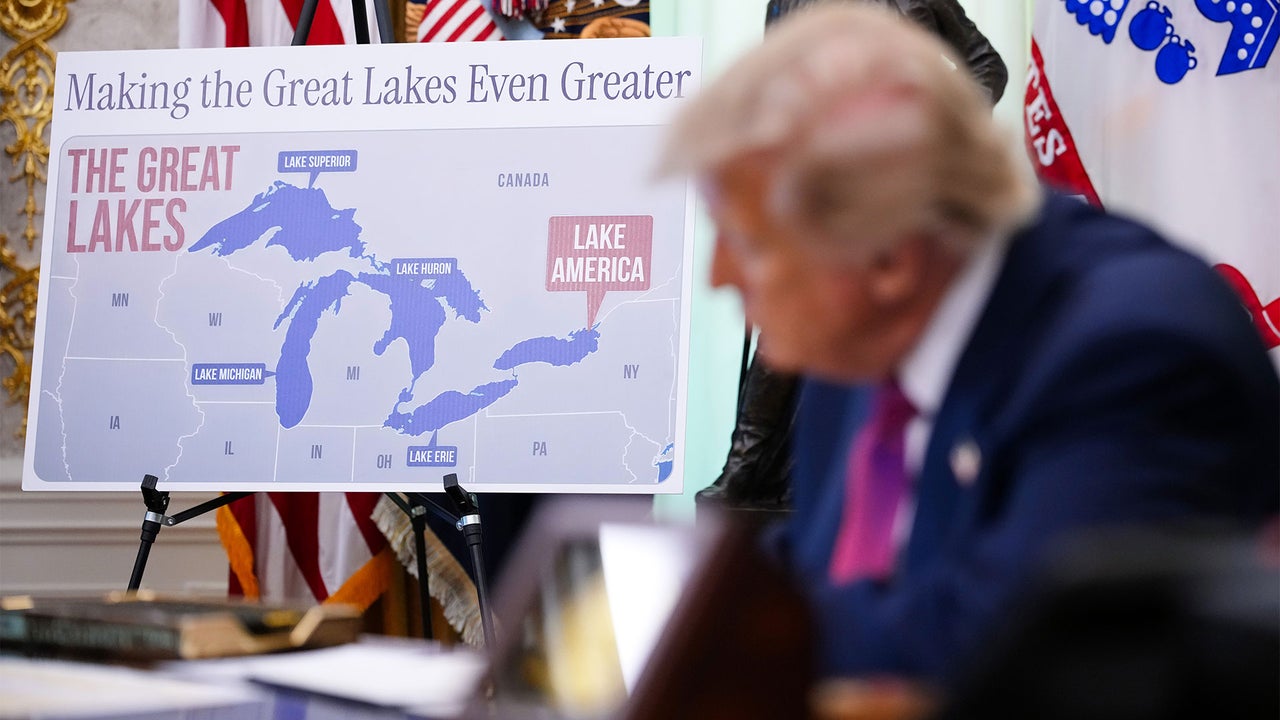
President Donald Trump, in a controversial move, signed an executive order on August 24, 2026, renaming Lake Ontario to Lake America. The announcement came amid ongoing trade disputes between the United States and Canada, with the U.S. imposing 50% tariffs on Canadian goods. Critics argue that the move disregards a 232-year-old treaty between the United States and the Seneca Nation, signed by George Washington in 1794.
The Treaty of Canandaigua established "peace and friendship" between the two parties and specifically noted the Seneca Nation's boundary starting "on Lake Ontario." Seneca Nation President J. Conrad Seneca stated that Trump's executive order violates this treaty, "reflecting blatant disrespect toward the Seneca people." Additionally, Seneca highlighted the indigenous origins of the lake's name, pointing out that "Ontario" comes from the Wendat word "oniatarí:io," meaning "lake of shining waters," and in traditional Seneca language, the lake is called "sga:nyodai:yoh," meaning "beautiful lake."
The backlash against Google Maps for enforcing this name change was intense. A viral post on social media called the platform "so fucking embarrassing" and "genuinely pathetic stuff," garnering over 4.9 million views. Google subsequently updated its maps, labeling Lake America in the U.S. and Lake Ontario in Canada. Critics contended that this act of renaming equates to historical revisionism and a violation of tribal rights.
Google defended its decision, stating that it reflects official government sources, specifically the Geographic Names Information System (GNIS) which changed the name.
Written by urgent.news from Fast Company's reporting — not their text. Machine-written — may contain errors; check the original before relying on it.
This story
This is one outlet's version. Read the fullest account.