Trading Day: Over and rout

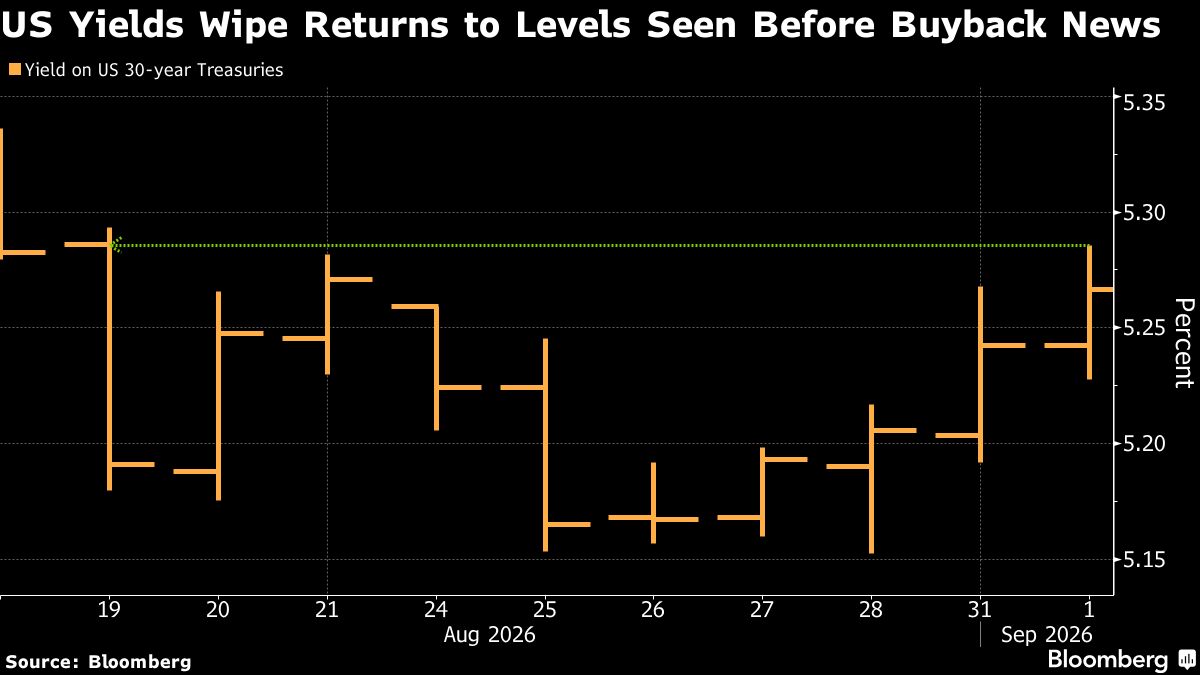
On Tuesday, September 1 in Orlando, Florida, the global bond market experienced a significant rout, with Japanese yields reaching record highs and breaching levels not seen in over three decades. Investors anticipated that policymakers worldwide would need to raise interest rates to combat persistent inflation and imprudent fiscal policies.
Rising oil prices, driven by the ongoing conflict between the United States and Israel, further exacerbated the downturn in bonds and stocks. Key market moves included a slight dip in Asia, a record low for European stocks, and a decline in major U.S. indices, such as the S&P 500, Dow Jones, and Nasdaq. Among sectors, consumer discretionary shares fell by 2%, while energy stocks gained 1.5%.
The U.S. dollar strengthened, and the yen dropped to its lowest level in over a month. Bond yields across various maturities reached multi-year highs, with the 10-year U.S. Treasury yield nearing 4.80%, a one-year high. Despite these challenges, global factories continued to operate efficiently, benefiting from increased demand for AI hardware and robust new orders in Europe.
However, weaker performances from Italy and Spain, as well as a slowdown in U.S. manufacturing, highlighted the uneven impact of the market downturn. Looking ahead, traders are closely monitoring several key economic indicators, including New Zealand's interest rate decision, Australia's Q2 GDP, Canada's interest rate announcement, U.S. ADP private sector payrolls, and Broadcom's earnings report.
Written by urgent.news from CNA - Business's reporting — not their text. Machine-written — may contain errors; check the original before relying on it.
This story
This is one outlet's version. Read the fullest account.
- Trading Day: Over and rout investing.com
- Trading Day: Over and rout channelnewsasia.com