This clever art project lets you feel how high the rent is
While biking the perimeter of Prospect Park in Brooklyn on a sunny August afternoon, the pedal strokes are smooth. On the Citi Bike, I ease through all of Park Slope and most of Windsor Terrace, but as I bike through Prospect Lefferts Gardens, also known as Flatbush, tension builds. When I enter the park at Lincoln Avenue, where Flatbush begins, there is a massive shift in my ability to move. It…
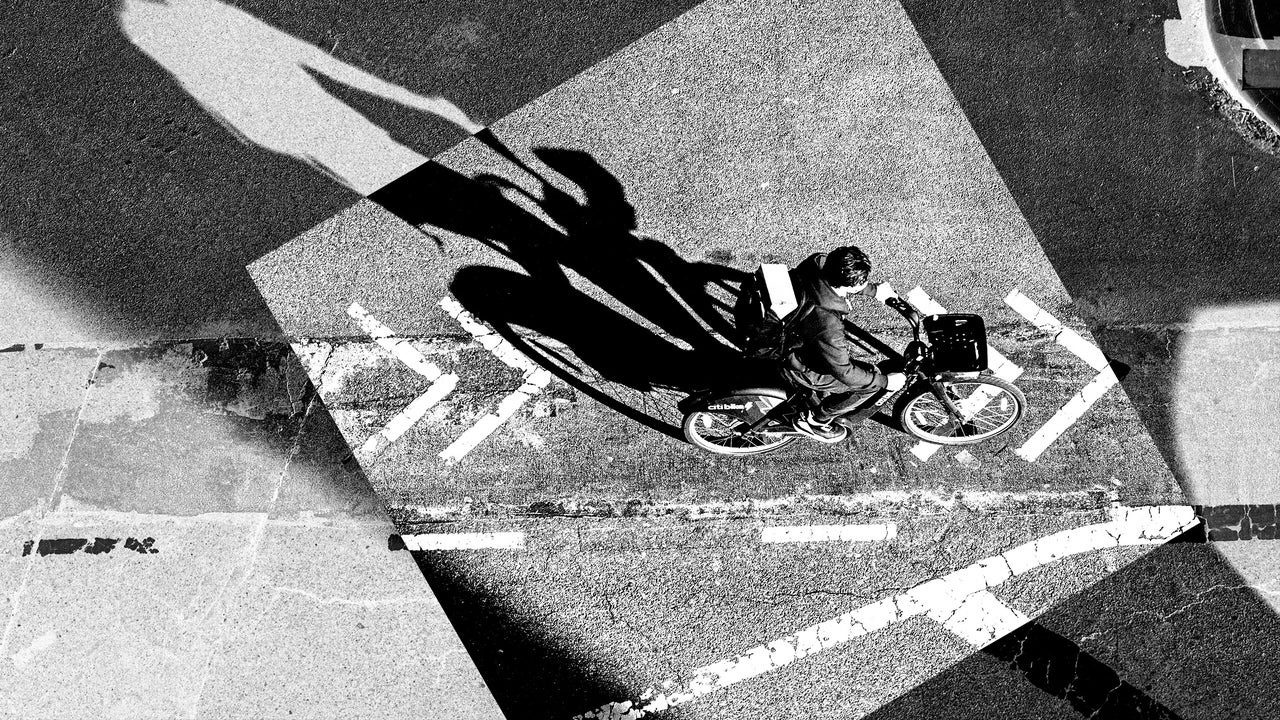
While riding around Prospect Park in Brooklyn, the author faced varying resistance on their e-bike, which depended on the neighborhood's rent affordability. The device, called Ground Truth, was part of an art exhibition exploring New York City's affordability crisis. Created by Justin Blinder, a researcher, biker, and artist, Ground Truth uses data from the U.S. Census Bureau to create physical resistance for cyclists in cost-burdened neighborhoods.
The exhibition, which closed on August 2, aimed to make the disparities felt on a physical level. Blinder, who was once a food delivery bike rider, was inspired by the stark contrast in financial realities of people living in close proximity. Ground Truth was funded by Idle Hands, an art incubation program. The device, while not publicly available, was tested on Lyft Citi Bikes and e-bikes, covering 35 miles across New York City.
The project highlights the variation in rent affordability, with some areas, like NYCHA housing, experiencing less tension. However, the bike lanes in some neighborhoods, like Bed-Stuy, have been a point of controversy, raising concerns about gentrification and displacement.
Written by urgent.news from Fast Company's reporting — not their text. Machine-written — may contain errors; check the original before relying on it.