The Wickedly Easy Ways Smart Thermostats Tackle Home Humidity Problems
If you struggle with high humidity or dry air, you may be surprised what today’s advanced thermostats can do to help. Here’s how I use mine.
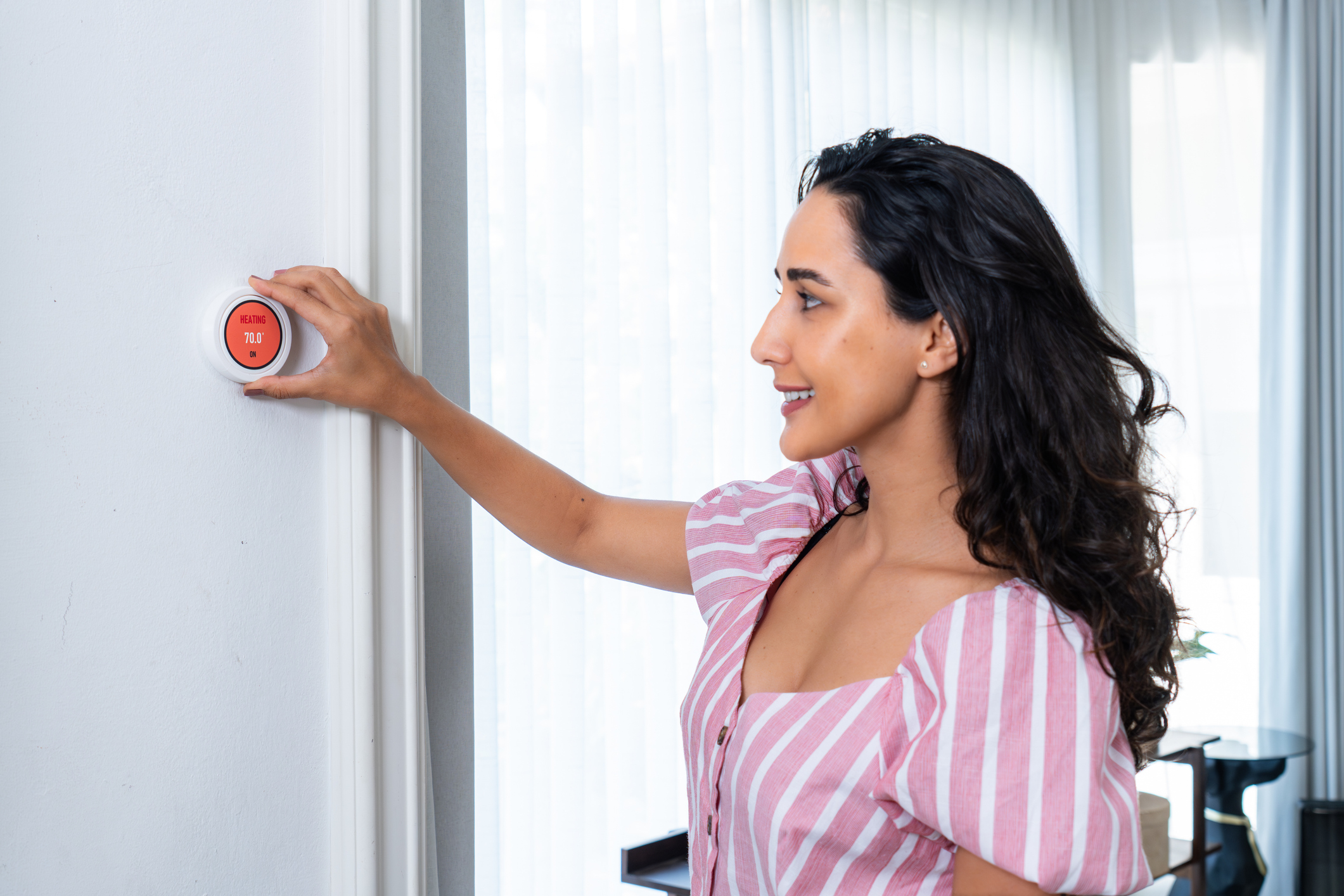
Humidity troubles can plague our homes, causing everything from nosebleeds to mold growth. The smart thermostat, often overlooked, holds the key to tackling these issues. These devices not only measure humidity but can also automatically adjust or alert you to keep indoor air quality optimal. Unlike traditional thermostats, smart models like Ecobee Premium and Google Nest have built-in humidity sensors that provide real-time readings.
You can monitor humidity levels from anywhere using a smartphone app, even when you're away from home. Some thermostats offer set alerts for specific humidity thresholds, notifying you when action is needed.
Dan Bereiter, a senior product manager at Honeywell Home Solutions, suggests a two-pronged approach: monitoring both temperature and humidity. If your home feels stuffy or dry despite comfortable temperatures, humidity could be the culprit. For homes lacking built-in humidity sensors, separate devices like SwitchBot, Wyze, Aqara, and Ikea sensors can be connected to your thermostat or standalone apps to provide alerts and readings. These sensors can even be placed in specific rooms with humidity issues or delicate plants.
Smart humidifiers and dehumidifiers can automatically regulate humidity levels. For instance, you can set up a rule: "If humidity reaches a certain level, activate the humidifier/dehumidifier." The ideal indoor humidity level, according to the EPA, is between 30% and 50%. Setting up automations in your thermostat app can help maintain this range effortlessly.
If you prefer to save money, connecting a smart plug to an existing humidifier or dehumidifier can make it smart and controllable through your thermostat app. However, it's essential to ensure the appliance works well with smart plugs before purchasing. Smart thermostats can also integrate with air conditioners and heat pumps, using them as natural dehumidifiers when they operate.
Google Nest's Cool to Dry feature simplifies this process, and Honeywell Home thermostats can connect to existing dehumidifiers for automated rules.
Written by urgent.news from CNET's reporting — not their text. Machine-written — may contain errors; check the original before relying on it.