The packet path becomes the place to catch shadow AI before it spreads
Enterprise infrastructure software is being redrawn around a user that never sleeps, never logs off and can act thousands of times a minute. As autonomous agents move from pilots into production, the controls built for human employees are proving a poor fit for machine identities operating at speed. That shift is turning the network and […] The post The packet path becomes the place to catch…
Enterprise software is evolving to accommodate autonomous agents that operate at a rapid pace, unlike their human counterparts. As these AI agents increasingly take center stage in production environments, the traditional security measures designed for human users prove insufficient. This shift has put the network and identity layers at the forefront of agentic AI deployments, a theme echoed throughout VMware Explore coverage.
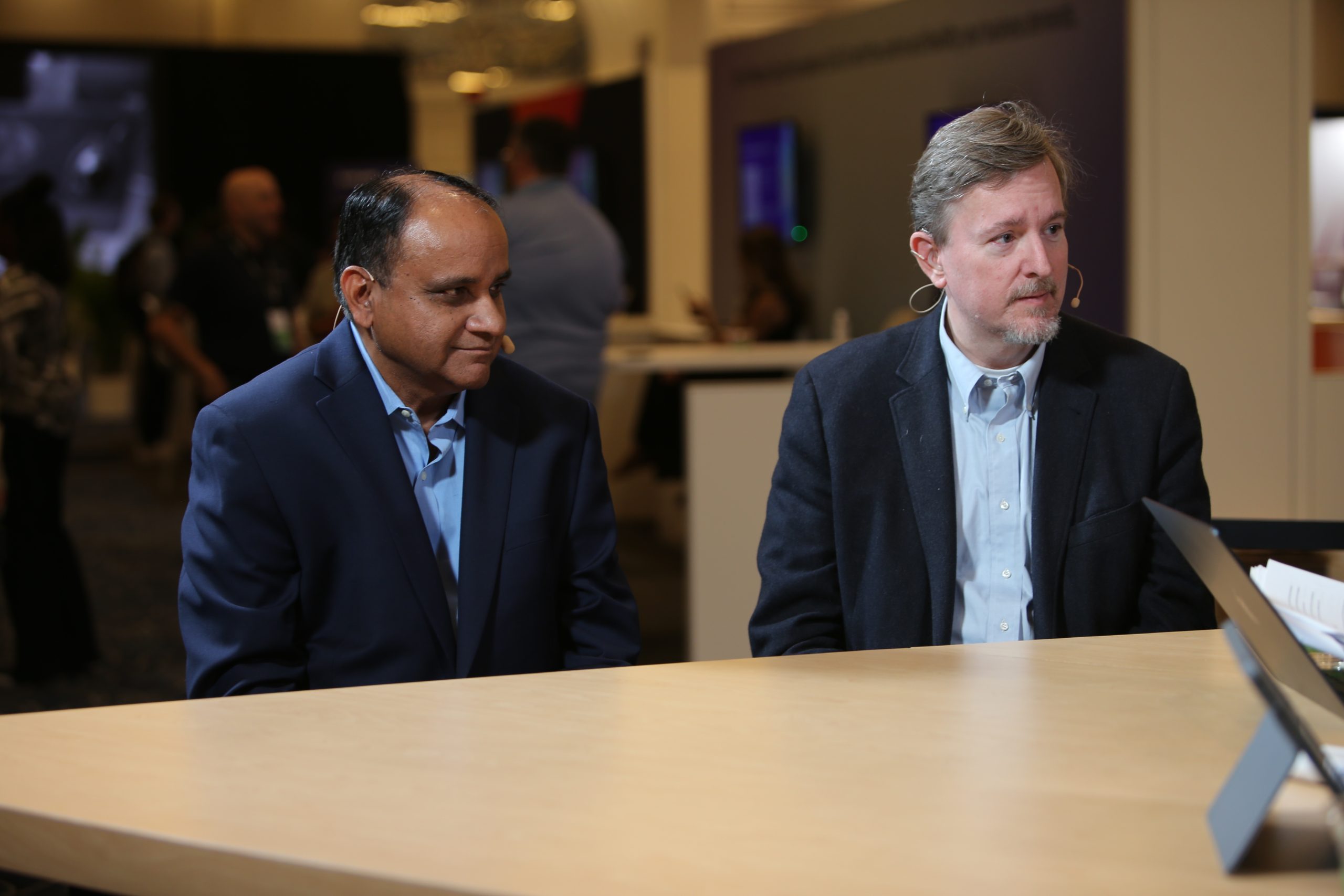
Umesh Mahajan, vice president and general manager of Broadcom Inc.'s Application Networking and Security division, emphasized the critical importance of securing these workloads before deployment. "If you don't have security, you really can't go deploy agentic AI," Mahajan stated. "You need to ensure agentic AI workloads aren't compromised from the outside and that they don't turn rogue and start attacking externally."
Collaborating with Clayton Donley, vice president and general manager of Broadcom's Identity Management Security division, Mahajan highlighted Broadcom's AgentMinder solution. This innovative approach integrates signed agent identities with runtime inspection of API traffic and observability. Donley explained that 50 years of access management experience focused on human users has not translated seamlessly to AI agents, who are now granted more autonomy.
As these agents gain more independence, traditional controls become increasingly inadequate. By monitoring the packet path, the network tier can identify Model Context Protocol servers, agents, and models, and alert when unauthorized entities are detected. Mahajan stressed the need for a unified security stack from a single vendor to streamline the process and prevent configuration errors.
"Customers often struggle when trying to piece together multiple products; they make mistakes," Mahajan observed. "A curated security stack provided by Broadcom can significantly enhance the security of these systems." The full interview, part of the SiliconANGLE and theCUBE's coverage of VMware Explore, can be accessed via the provided link.
Written by urgent.news from SiliconANGLE's reporting — not their text. Machine-written — may contain errors; check the original before relying on it.