The laptop, the social media user and the false alarm in Taiwan over a Beijing ‘spy’
A false espionage alarm about a Taipei subway user has fuelled concerns that growing fears of Beijing are breeding unhealthy suspicion on the island and eroding public trust. The controversy erupted after a social media user posted a photograph of a man holding a laptop on a Taipei Main Station metro platform on Saturday. Seeing the words “2nd Theatre Photosynthesis System” appeared in simplified…
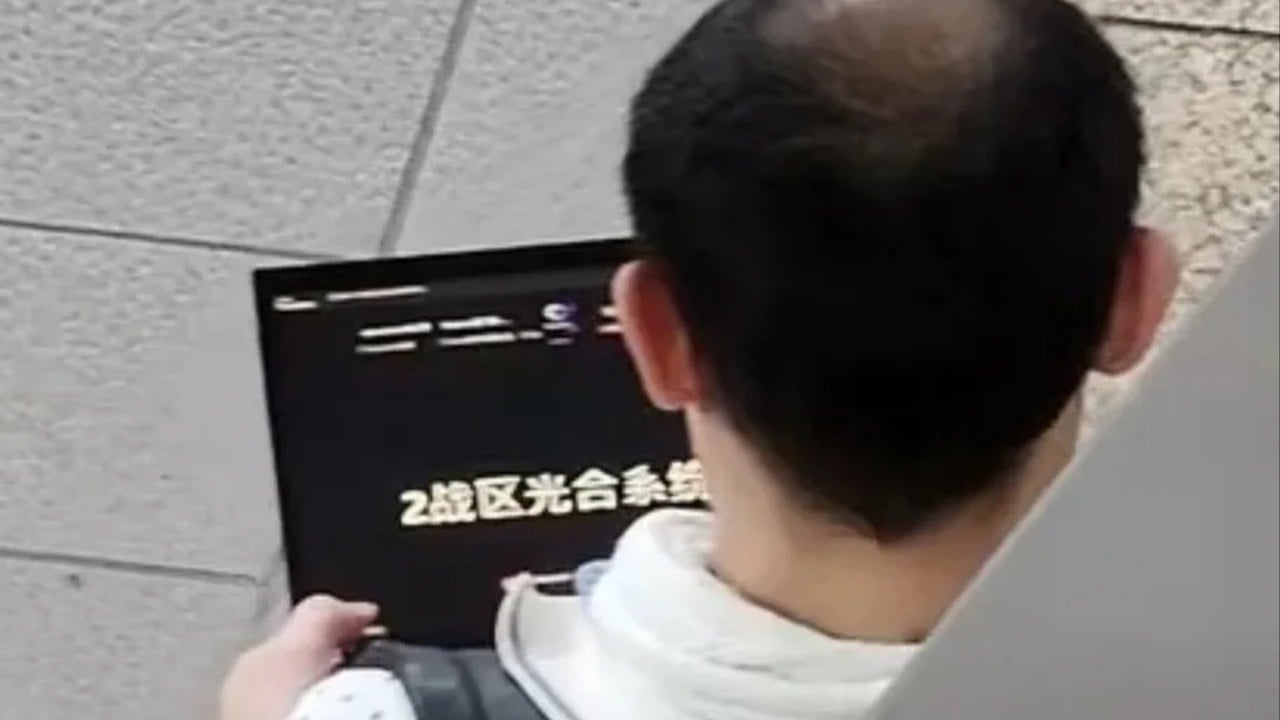
A false alarm over a Beijing spy emerged on Taipei's Main Station subway platform, sparking worries that fears of Chinese infiltration are breeding suspicion and undermining public trust. The incident began when a social media user posted a photograph of a man holding a laptop, with Chinese text on the screen suggesting it was a mainland Chinese spy.
The user alerted several government agencies, including the police, immigration authorities, and the Mainland Affairs Council. DPP legislator Lin Chu-yin also voiced concerns, pointing to a similar "Photosynthesis public-opinion monitoring system" run by Beijing that allegedly gathers online data and intelligence. The situation quickly unraveled when Taipei police identified the 48-year-old man, surnamed Kao, who admitted he was waiting for a friend while attending an online investment course.
The "Photosynthesis System" label belonged to the course, and Kao's actions were innocent. The controversy has reignited debate on whether Beijing-induced fears are fostering unwarranted suspicion within Taiwanese society. China denies the allegations, and the U.S. remains committed to Taiwan's defense against any potential invasion.
Political scientist Chang Yuan-hsiang compared the current atmosphere to Taiwan's White Terror era, when "communist spies" were commonplace. He warned of the dangers of collective "witch hunts" and emotional responses over evidence, potentially perpetuating a "cry-wolf effect" where false alarms desensitize the public to genuine threats.
Opposition politicians fear the incident could undermine confidence in government institutions and deepen societal divisions.
Written by urgent.news from Reuters Business via SCMP's reporting — not their text. Machine-written — may contain errors; check the original before relying on it.