The iPhone 18 Pro Could Get a Variable-Aperture Camera, but What Does That Mean?
Photographers have wanted variable-aperture lenses for the iPhone’s cameras for years. On the eve of possibly getting them, how would that change your images?
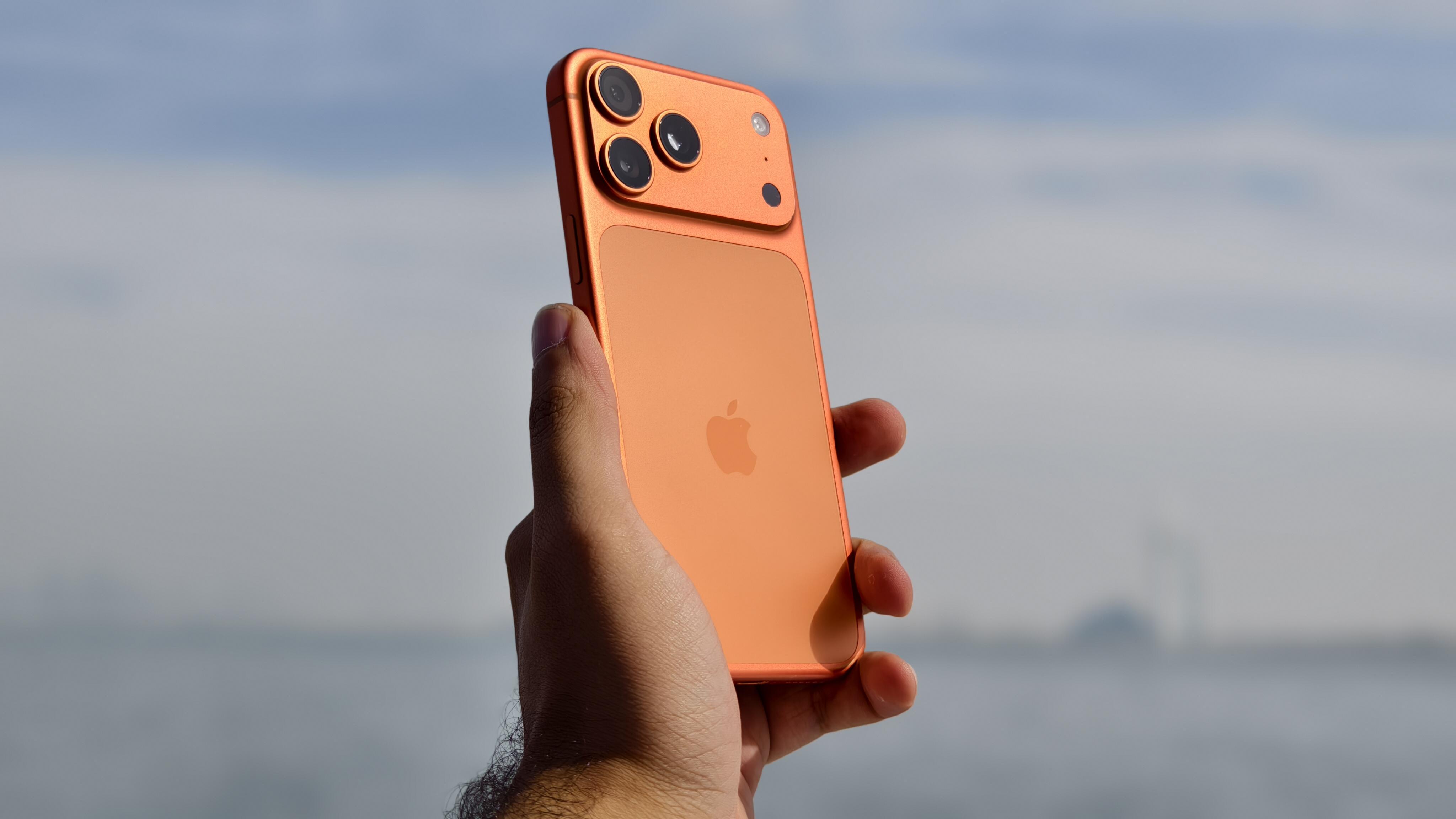
One of the highly anticipated rumors surrounding the upcoming iPhone 18 Pro announcement is the potential inclusion of a variable-aperture camera on the main lens. But what exactly is a variable aperture, and how could it benefit smartphone photography? To answer this, it’s essential to understand the concept of aperture and its role in photography.
Aperture refers to the size of the opening in a lens through which light enters, and it plays a significant role in controlling exposure, depth of field, and image quality. In traditional cameras, photographers can manually adjust the aperture by changing the physical opening of the lens. However, smartphone cameras typically use fixed apertures, meaning they have a single fixed opening size that can’t be altered.
For instance, the iPhone 17 Pro’s main camera consistently uses an aperture of f/1.78 for all photos. While variable-aperture lenses are not new in the smartphone world, with previous models from Samsung and Xiaomi offering dual-aperture capabilities, they have since dropped the feature. These cameras would automatically switch between wider (more light) and narrower (less light) apertures depending on lighting conditions.
The main advantage of a variable aperture is the greater control it offers photographers. In bright environments, using a smaller aperture (higher f-stop number) allows for a longer depth of field, keeping objects in the foreground and background in focus. Conversely, in low-light situations, opening the aperture wide (lower f-stop number) lets in more light, improving image clarity.
Variable apertures can also enable creative effects, such as starbursts around bright light sources, which can add a professional touch to night photography. Moreover, variable apertures may enhance video recording capabilities. By adjusting the aperture, the iPhone could dynamically control exposure without relying solely on ISO adjustments, giving videographers more options for depth of field and overall image quality.
However, the exact range of variable apertures and how Apple might implement this feature remains unclear. While previous variable-aperture lenses provided limited ranges (e.g., f/2.4 to f/1.5), the ideal implementation would offer a broader range, potentially giving users even more creative control. One point of speculation is whether the variable aperture feature would be exclusive to the iPhone 18 Pro Max or available across the entire iPhone 18 Pro lineup.
Apple typically reserves advanced features for higher-end models, which could mean the variable aperture might only be available on the larger, more expensive Pro Max. This could be a deliberate strategy to maintain the appeal of the larger device's sleek design while incorporating premium photographic capabilities. In summary, a variable-aperture camera on the iPhone 18 Pro could significantly enhance photography and videography capabilities by providing greater control over exposure, depth of field, and creative effects.
While the specifics of implementation remain to be seen, this feature could justify the expected price increase and solidify the iPhone 18 Pro’s position as a top choice for photography enthusiasts.
Written by urgent.news from CNET's reporting — not their text. Machine-written — may contain errors; check the original before relying on it.