The ICC’s reality check in a multipolar world
Preserving the International Criminal Court may require limits on its authority.
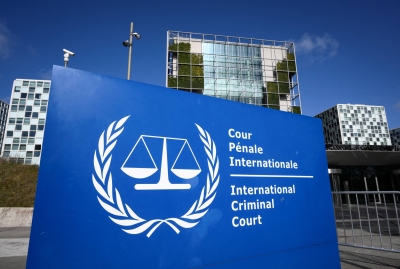
The recent imposition of economic sanctions by the U.S. against Tomoko Akane, president of the International Criminal Court (ICC), highlights a significant challenge for international justice in a multipolar world. Washington's aggressive stance aims to undermine the court's authority and dismantle institutions linked to global governance, but the conflict extends beyond mere anti-globalist rhetoric.
The core of the dispute stems from the ICC's pursuit to prosecute U.S. military personnel for civilian casualties during operations the United States deems as legitimate self-defense, challenging Washington's notion of national sovereignty.
The immediate catalyst for this tension was the ICC's issuance of an arrest warrant for Israeli Prime Minister Benjamin Netanyahu for alleged atrocities in Gaza following Hamas' terrorist attacks. While Washington explicitly supports the legitimacy of this operation, the arrest warrant has sparked a diplomatic crisis. For Japan, the situation is particularly poignant.
President Akane, a former Japanese prosecutor, serves as a symbol of Japan's unwavering commitment to the ICC. Japan is the court's largest financial contributor, providing about 15% of its budget. This incident underscores the complex interplay between national interests and international justice in an increasingly polarized global landscape.
Written by urgent.news from Japan Times's reporting — not their text. Machine-written — may contain errors; check the original before relying on it.