Tabarca celebrates double honour as one of Spain’s most beautiful beaches
Tabarca has double reason to celebrate after being named among Spain’s 25 most beautiful beaches for 2026 while marking 40 […]
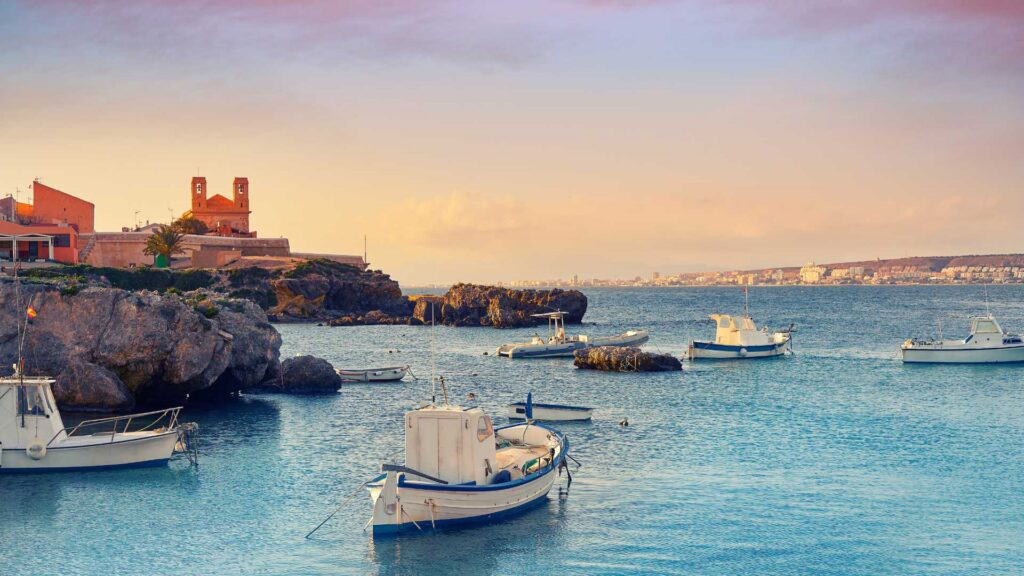
Tabarca, a small island off Santa Pola on Spain's Costa Blanca, is celebrating two major achievements in 2026. The island has been named one of Spain's 25 most beautiful beaches by National Geographic, alongside some of the country's most celebrated beaches and coves. This recognition highlights Tabarca's clear Mediterranean waters, natural character, and Posidonia oceanica meadows, which support a rich marine ecosystem.
Beyond its stunning coastline, Tabarca has a rich history dating back to the 18th century when King Carlos III ordered the construction of a fortified town. The island was once used by pirates before permanently settling in the 18th century, with its first settlers including Genovese families rescued from captivity in Algiers. These settlers' heritage remains an integral part of the island's identity today.
In 1986, Tabarca established one of Spain's first marine fishing reserves, becoming a protected area covering 1,754 hectares. This environmental milestone, coupled with the island's historic buildings and distinctive Mediterranean landscape, further contributes to its unique appeal. The protection of the waters surrounding Tabarca has become an essential aspect of the island's identity, alongside its historic structures and natural beauty.
The island's 40 years of protection has played a significant role in preserving its remarkable character. As a result, Tabarca's inclusion in National Geographic's list of Spain's 25 most beautiful beaches is a testament to the harmony between its historic charm and protected marine environment. For the island's residents, this accolade serves as a reminder of the treasure that lies just offshore Santa Pola, showcasing the remarkable 40 years of preservation efforts that have made the island one of the most distinctive destinations along the Costa Blanca.
Written by urgent.news from Euro Weekly News's reporting — not their text. Machine-written — may contain errors; check the original before relying on it.