Shein shares fall up to 10% after long-awaited trading debut
The fast-fashion giant’s stock slumped after four years of public backlash over labor and ethical concerns.
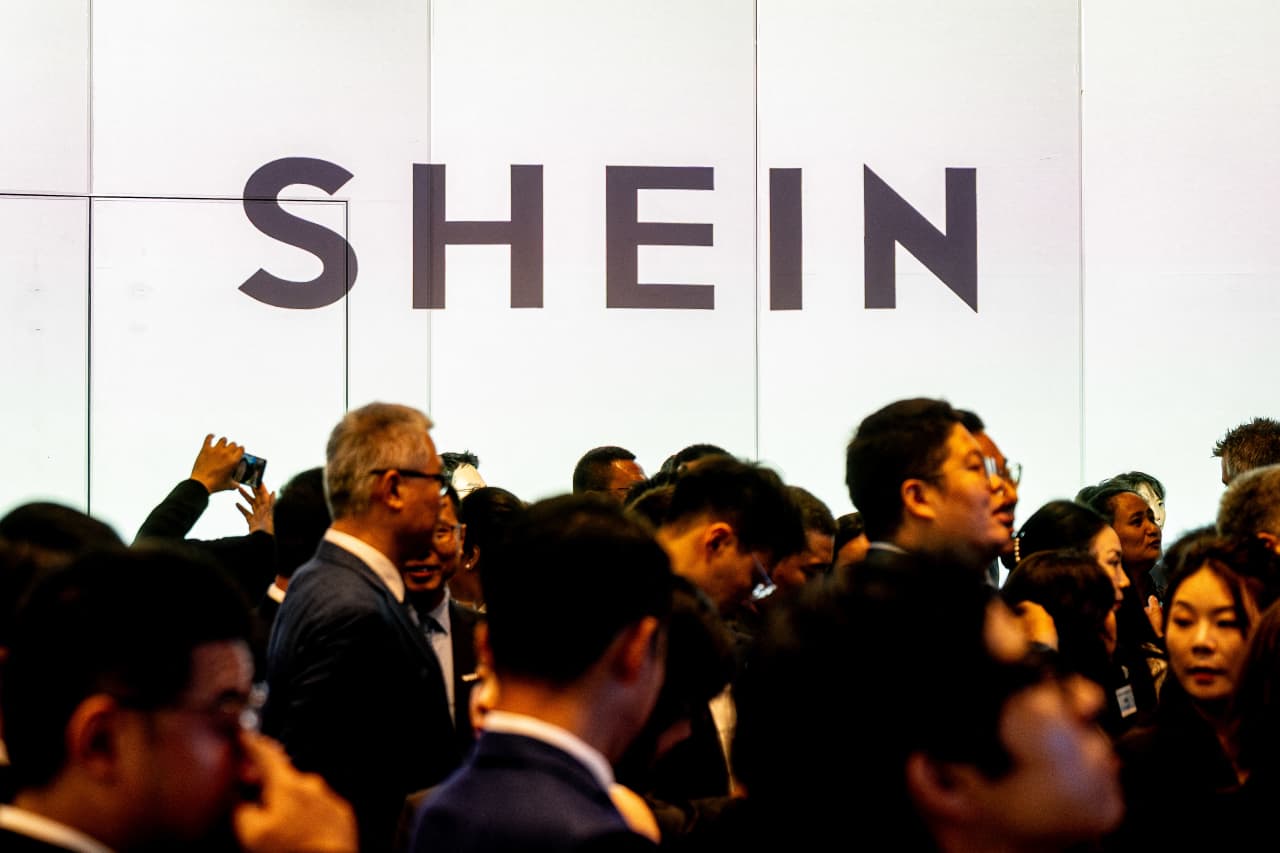
Shares in fast-fashion retailer Shein plunged as much as 10% on its Hong Kong stock market debut, dropping its valuation below $25bn. Once worth nearly $100bn, the Singapore-headquartered company priced its shares at HK$48.56, valuing the business at just over $26bn. However, within minutes of the flotation, the stock fell sharply, recovering slightly to be 4% below its offer price by the end of trading.
Shein's chief financial officer, Leigh Gui, expressed excitement for global consumers to enjoy fashion after the company's IPO. The lackluster debut follows the company's long-awaited initial public offering, after US and UK regulators blocked plans to list in New York and London due to concerns over forced labor. Shein also considered a £50bn flotation in London but faced similar scrutiny over its supply chain from campaigners, MPs, and investors.
Regulatory changes worldwide are threatening Shein's business model, which relies on shipping small packages from China to take advantage of tax breaks on low-value imported goods. The company reported a loss of $99m in the first three months of the year, compared to a net income of $395m the previous year, following the US removal of its "de minimis" import duty exemption on small packages.
The EU is also tightening regulations, introducing a €3 duty on small parcels imported from outside the trading bloc in June, with plans to phase it out. The UK has also announced similar measures by October 2028.
Despite the challenges, Shein has become one of the world's biggest listed fashion groups, with a valuation comparable to Swedish retailer H&M. Inditex, the owner of Zara, has a market capitalization of about $213bn. Shein relocated its headquarters to Singapore at the start of 2022, a move aimed at avoiding increasing scrutiny of Chinese companies. Founded by entrepreneur Chris Xu, the company primarily operates from China but sells its goods globally.
Written by urgent.news from Guardian Business's reporting — not their text. Machine-written — may contain errors; check the original before relying on it.
This story
This is one outlet's version. Read the fullest account.
- Shein shares slide on fast-fashion retailer’s stock market debut theguardian.com
- Shein shares fall up to 10% after long-awaited trading debut marketwatch.com
- Shares of fast-fashion giant Shein slide in Hong Kong after long-awaited IPO seekingalpha.com