Sea otters returned to Canada and saved kelp, but now threaten a local delicacy
Sea otters, once nearly extinct due to excessive hunting, have successfully rebounded in British Columbia, playing a crucial role in stabilizing kelp forests by curbing sea urchin overpopulation. However, their increasing numbers have drawn attention to the plight of northern abalone, a critical food source threatened by otter predation. Finding the right balance in conservation strategies is…
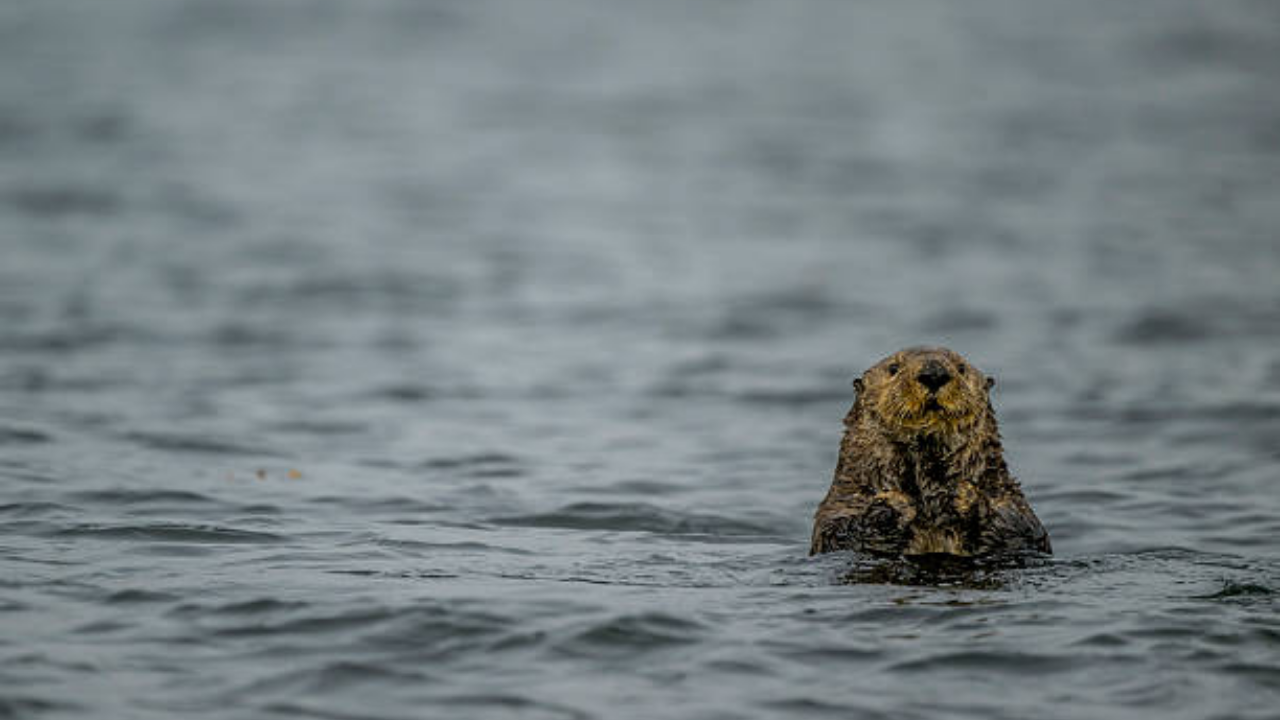
In British Columbia, the reintroduction of sea otters has brought about a positive change in the ecosystem. Once hunted to extinction in the 1920s, sea otters were reintroduced between 1969 and 1972, and their population has since grown significantly. Today, their population has increased from 3,185 in 2004 to 8,110 in 2017, and they have spread along the coast.
Sea otters play a crucial role in maintaining a healthy marine ecosystem. Their voracious appetite for sea urchins helps prevent the urchins from overgrazing and destroying kelp forests. Healthy kelp forests provide essential habitat and food for many marine species.
However, this conservation success story has also brought about a new challenge. Sea otters are known to eat a variety of marine creatures, including crabs, clams, and northern abalone. Northern abalone is a marine snail considered a delicacy and an important traditional food for coastal First Nations. Unfortunately, sea otter predation poses a threat to the recovery of this endangered species.
Despite being protected from harvesting since 1990, northern abalone populations remain severely depleted due to illegal fishing and poor reproduction rates. Sea otters' predation adds further pressure to these already struggling populations. Studies have shown that areas occupied by sea otters for over 30 years have significantly fewer abalone compared to regions where otters have not yet recolonized.
The challenge now lies in finding a balance between preserving the restored ecosystem and ensuring the survival of the northern abalone. Conservationists must find ways to coexist these two critical aspects of the marine ecosystem.
Written by urgent.news from Times of India's reporting — not their text. Machine-written — may contain errors; check the original before relying on it.