Sapphire: September birthstone comes in many colors
Sapphire, the September birthstone, is typically blue, the color caused by small amounts of titanium and iron in the crystal structure. The post Sapphire: September birthstone comes in many colors first appeared on EarthSky .
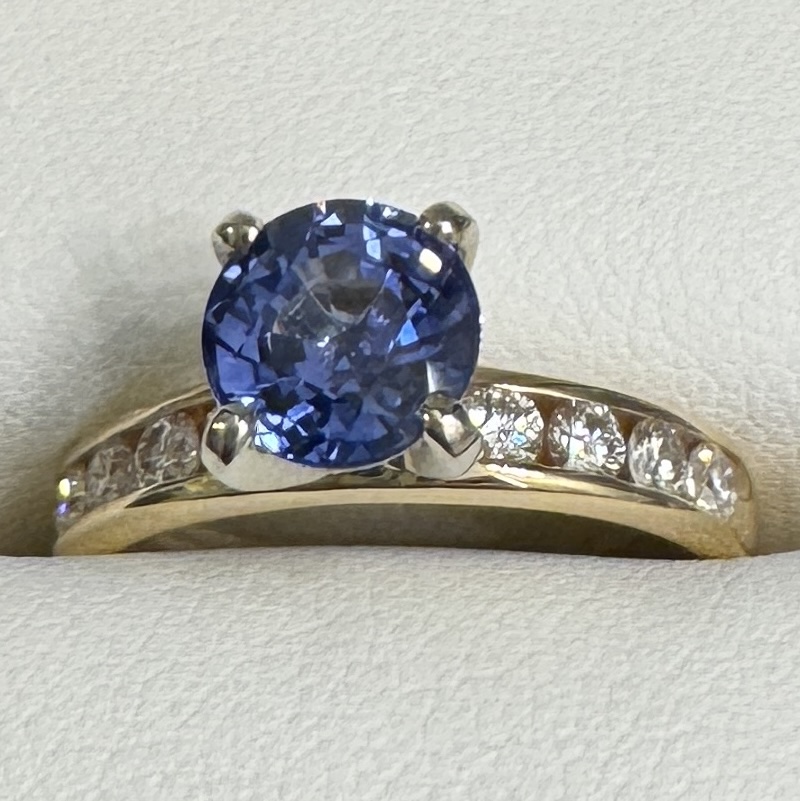
The sapphire, September's birthstone, is renowned for its variety of colors beyond its well-known blue hue. Traditionally associated with the month of September, the sapphire is actually a relative of the ruby, both being forms of the mineral corundum, which consists of aluminum oxide. The hardness of corundum, and by extension sapphire, is 9 on the Mohs scale, second only to diamonds.
While the traditional sapphire is blue, its actual color can range from pale blue to deep indigo, with the most valuable shade being the medium-deep cornflower blue. Other natural colors include colorless, gray, yellow, pink, orange, green, violet and brown, collectively termed as fancy sapphires. The variation in color is due to different impurities within the crystal structure; for instance, yellow sapphires get their color from ferric iron, while colorless gems have no contaminants.
Australia, particularly New South Wales and Queensland, is the world's largest source of sapphires, typically yielding blue stones with a dark, inky appearance. In contrast, India's Kashmir region was once a renowned source of cornflower-blue sapphires. In the United States, Montana's Yogo Gulch Mine primarily produces small stones for industrial use.
The name "sapphire" originates from the Latin "sapphirus" and the Greek "sappheiros," both referring to the island of Sappherine in the Arabian Sea. Ancient Persians referred to the sapphire as the "Celestial Stone," believing it was the gem of Apollo, the Greek God of prophecy. Sapphires were worn by ancient Etruscans in the 7th century BCE and held significance as the birthstone for September, representing the purity of the soul.
In the Middle Ages, priests wore sapphires for protection against impure thoughts and temptations, while medieval European kings saw it as protective against harm and envy. Warriors even gave sapphire necklaces to their wives to ensure fidelity. It was also believed that sapphire's color would darken when worn by an adulterer or an unworthy individual, and that it could protect against snake bites.
Famous sapphires include the one on the Imperial State Crown, worn by Queen Victoria in 1838, which has been part of the British Crown Jewels in the Tower of London since Edward the Confessor's coronation in 1042. Another notable sapphire, the Logan Sapphire Brooch, is displayed at the National Museum of Natural History in Washington, D.C.
Written by urgent.news from EarthSky's reporting — not their text. Machine-written — may contain errors; check the original before relying on it.