Russia’s Starlink rival falters as latest satellite batch stalls in low orbit, ISW says
None of the 16 spacecraft launched in July reached the 550-kilometer benchmark, while two may reenter the atmosphere and be lost.
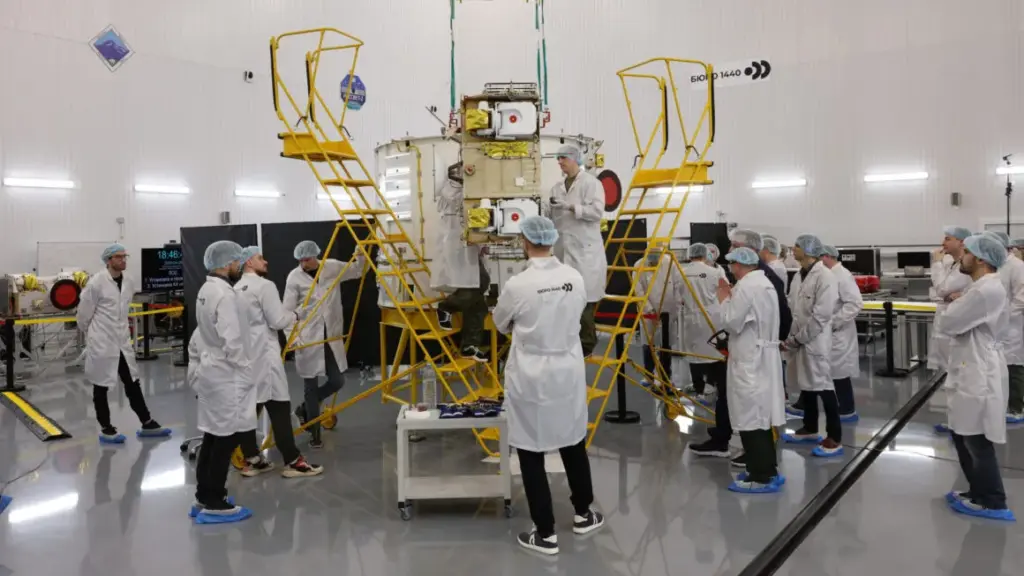
The Institute for the Study of War (ISW) reported that Russia's Rassvet satellite system, a communications rival to Starlink, is facing challenges as its latest satellite batch failed to reach the planned operational altitude. Moscow accelerated the deployment of Rassvet after losing unauthorized access to Starlink in February. While a fully functional network could offer battlefield communications, remotely controlled strikes, and drone operations, the current satellites provide only limited connectivity.
The latest setback is likely to delay continuous coverage, according to ISW. Originally, Russia intended to launch 292 satellites by the end of 2027 and 924 by 2035, but the current rate of Soyuz-2.1b rocket launches—only six to eight per year since 2022—limits the number of Rassvet satellites that can be deployed. Ukraine's attack on the Progress Space Rocket Center and Plesetsk Cosmodrome, vital for Rassvet's expansion, further hampers the project.
Written by urgent.news from Euromaidan Press's reporting — not their text. Machine-written — may contain errors; check the original before relying on it.