Pakistan approves genetically modified corn cultivation
ISLAMABAD: Pakistan decided in principle on Monday to adopt cultivation of genetically modified corn in the country alongside existing hybrid and organic maize farming while following necessary safeguards. The decision was made at a meeting of the Committee on Genetically Modified (GM) Corn, presided over by Finance Minister Muhammad Aurangzeb. “The committee agreed to finalise the comprehensive…
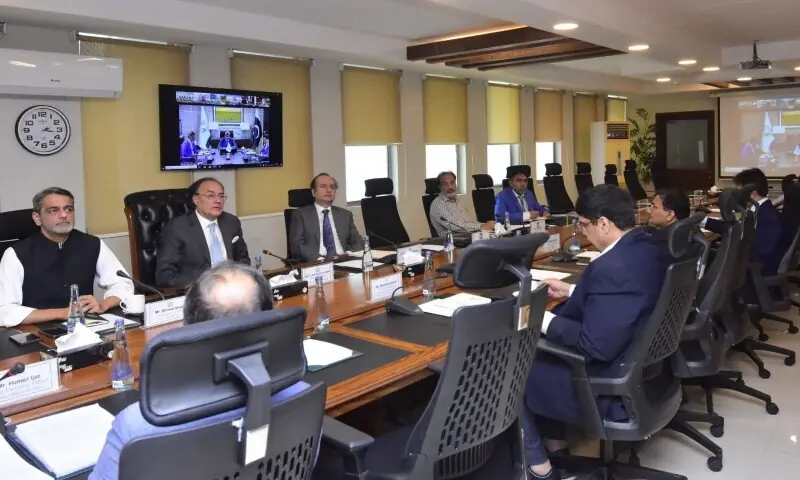
The Pakistani government has decided to allow the cultivation of genetically modified (GM) corn alongside traditional hybrid and organic maize farming, with necessary safeguards in place. This decision was made during a meeting of the Committee on Genetically Modified Corn, chaired by Finance Minister Muhammad Aurangzeb. The committee aimed to create a comprehensive transition and implementation framework for commercial GM corn cultivation in Pakistan.
Representatives from the public and private sectors attended the meeting, including officials from the Ministry of National Food Security & Research, the Prime Minister's office, the CEO of the Pakistan Green Initiative, and technical and scientific experts. The committee reached a consensus on a practical and well-defined framework, addressing the concerns of all stakeholders while ensuring the process aligns with national interests.
The PM had set up the committee to review Pakistan's policy on GM maize commercialization objectively, scientifically, and evidence-based. The US administration and its farm suppliers had repeatedly urged Pakistan to commercialize GM corn to increase crop output by 15-30%. A few years ago, the government had granted trial licenses to US firms Corteva and Bayer for GM corn cultivation, but these were later cancelled due to biodiversity concerns and limited seed supplies.
Local maize exporters and businesses have been opposed to GM corn commercialization due to potential food safety issues and export market preferences, particularly in the EU, Australia, China, and New Zealand. Nevertheless, the committee emphasized the importance of maintaining the availability and supply of non-GM seed during the transition. The committee is now tasked with finalizing the implementation framework and safeguard measures, which will be presented to the Prime Minister.
Written by urgent.news from Dawn Business's reporting — not their text. Machine-written — may contain errors; check the original before relying on it.