Oil prices settle up more than $4 a barrel on renewed US-Iran fighting
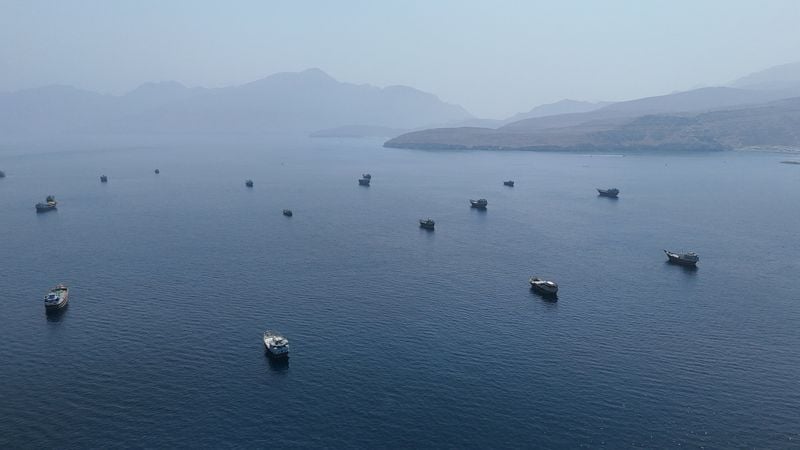
Brent crude prices surged above US$95 a barrel on Wednesday, marking its highest level in nearly six weeks. This increase in oil prices followed renewed hostilities between the United States and Iran around the Strait of Hormuz, which heightened concerns over potential disruptions to global energy supplies. The US military conducted fresh strikes against Iranian targets in the region, with President Donald Trump asserting the attacks were a response to Iran's alleged attempts to lay mines in the waterway and a previous attack on a US military base.
Trump warned of a more substantial US response if Iran retaliated. Iran countered by targeting US bases in the area and firing missiles towards Jordan, raising further concerns over a wider regional escalation. US Treasury Secretary Scott Bessent stated that Iran's financial situation was worsening, and approximately 17 million barrels of crude had already passed through the Strait of Hormuz on Monday, suggesting Iran did not have control over the strategic waterway.
The surge in oil prices has also contributed to inflationary pressures, potentially complicating central banks' interest-rate decisions at a time when they are already deliberating. Additionally, the US dollar strengthened against major currencies as higher Treasury yields attracted investors seeking the relative safety of the greenback.
The dollar index, which measures the US currency's value against a basket of currencies, rose 0.27 percent to 99.68, surpassing its three-month low of 98.8, recorded on August 21. This recovery was driven by a broader rise in US Treasury yields due to renewed inflationary risks, which have increased expectations of a more hawkish Federal Reserve policy stance.
The renewed US-Iran attacks have further diminished the already limited likelihood of improved energy flows through the Strait of Hormuz in the near term. Higher energy prices could exacerbate inflation just as some Federal Open Market Committee members, including Chairman Warsh, have warned that persistent inflation could necessitate higher interest rates.
Meanwhile, signs of stronger inflation in the eurozone have bolstered expectations for potential interest rate hikes by the European Central Bank, providing some support for the euro and preventing further appreciation of the dollar. These developments indicate that global energy and currency markets are increasingly vulnerable to the trajectory of the US-Iran conflict, particularly any disruption to oil shipments through the Strait of Hormuz.
Written by urgent.news from The Vibes's reporting — not their text. Machine-written — may contain errors; check the original before relying on it.
This story
This is one outlet's version. Read the fullest account.
- US-Iran hostilities push oil prices above US$95 thevibes.com
- Oil prices settle up more than $4 a barrel on renewed US-Iran fighting channelnewsasia.com