Oil prices rise as latest fighting resurrects Middle East supply disruption risks
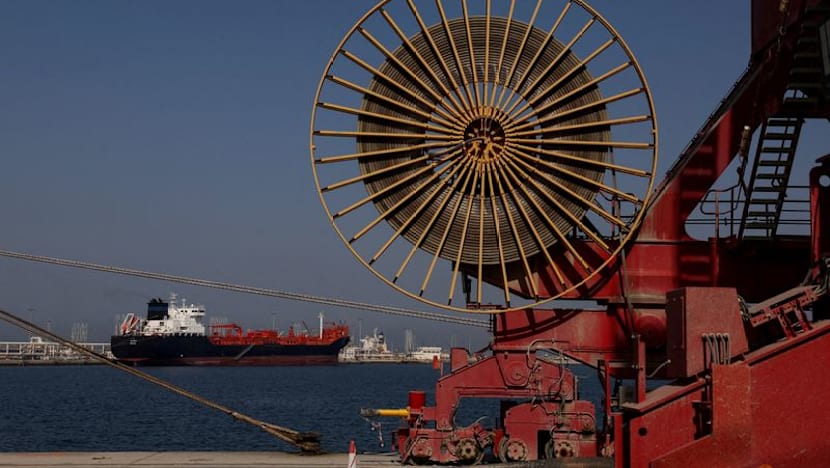
Oil prices climbed on Tuesday as renewed conflict between the U.S. and Iran in the Middle East raised concerns about potential supply disruptions from the region's major crude producer. Brent crude futures increased by 56 cents, or 0.6%, to $91.05 per barrel, while U.S. West Texas Intermediate crude rose by 83 cents, or 1%, to $86.59 per barrel. Earlier in the week, Brent had risen by 2.7%, peaking since August 25, and WTI gained 2.8%, touching its highest since August 21.
Tensions escalated following direct attacks from the U.S. and Iran on Sunday, prompting President Donald Trump to threaten additional strikes against Iran. This renewed the possibility of retaliatory actions, which could damage energy infrastructure in the Gulf and create uncertainty for shipping through the Strait of Hormuz. Tim Waterer, chief market analyst at KCM, stated that these risks are influencing the upward trend in crude prices.
During the weekend, the number of visible commodity vessels passing through the Strait of Hormuz fell to five daily, according to shipping data from Kpler. Mediation efforts by countries like Qatar and Oman to reopen the Strait, which transports roughly a fifth of global oil supplies, have not yet succeeded. On February 28, Iran closed the waterway following U.S. and Israeli strikes.
The UK Maritime Trade Operations agency reported on Tuesday that a tanker had been hit by three projectiles while navigating out of the Strait of Hormuz, but no one was injured or there was any environmental damage. On Friday, Trump announced a deal with Venezuela to manage oil reserves there, which he claimed would boost the U.S. Strategic Petroleum Reserve, currently near a 44-year low.
Major U.S. energy companies such as Chevron, GE Vernova, ONGC, Eni, and GeoPark are expected to finalize agreements for energy projects in Venezuela soon.
As of last week, crude oil reserves in the U.S. Strategic Petroleum Reserve had decreased by about 3.1 million barrels, leaving the stockpile at 286.6 million barrels. According to analysts surveyed by Reuters in August, oil prices are anticipated to stay above $80 per barrel in 2026 due to ongoing shipping disruptions.
Written by urgent.news from CNA - Business's reporting — not their text. Machine-written — may contain errors; check the original before relying on it.
Also reported by 11 other outlets
- Oil prices rise and stocks waver as Middle East violence flares, adding to uncertainty apnews.com
- Oil prices rise as latest fighting resurrects Middle East supply disruption risks brecorder.com
- Middle East live: Oil prices extend gains as US-Iran tensions flare again france24.com
- Oil prices rise as latest fighting resurrects Middle East supply disruption risks myjoyonline.com
- Oil prices rise as latest fighting resurrects Middle East supply disruption risks straitstimes.com
- S. Korean won slightly weakens over renewed tension in Middle East en.yna.co.kr
- Oil prices rise as latest fighting resurrects Middle East supply disruption risks businesstimes.com.sg
- Gold holds decline as Middle East flare-up raises Fed rate-hike bets moneyweb.co.za
- and 3 more