NST Leader: Malaysia's rice self-sufficiency push needs long-term reforms
AGRICULTURE and Food Security Minister Datuk Seri Mohamad Sabu recently implored that Malaysia’s rice self-sufficiency ratio (SSR) must increase to 80 per cent to ensure a comfortable supply, but a slew of obstacles stand in the way.
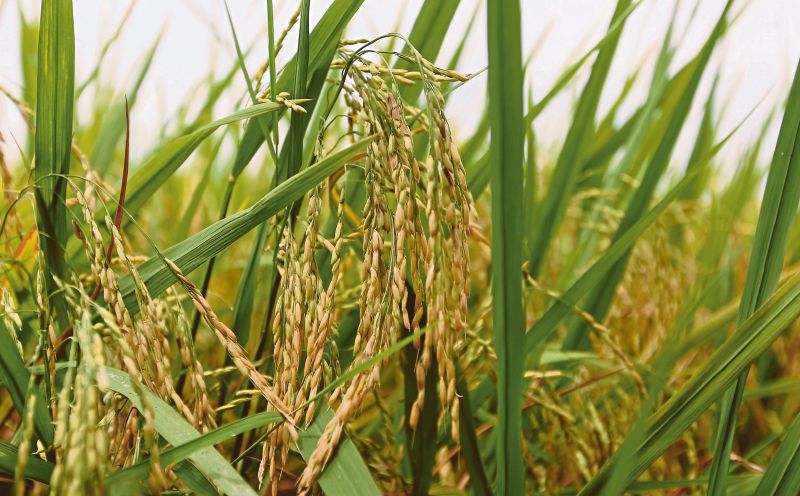
Malaysia's Agriculture and Food Security Minister, Datuk Seri Mohamad Sabu, has called for a significant increase in the country's rice self-sufficiency ratio (SSR) to 80 percent. Currently, Malaysia's SSR ranges from 52 to 65 percent, which is a considerable gap that requires structural, environmental, and economic reforms to bridge.
One of the major obstacles hindering the goal is the shrinking area of rice fields due to conversion for non-food crops like oil palm. Moreover, unpredictable weather patterns such as floods and droughts have exacerbated the situation, destroying vast rice paddies. The younger generation, in particular, is less inclined to engage in this labor-intensive work, opting instead for urban, white-collar jobs.
Additionally, ageing irrigation and drainage systems, coupled with the high cost of fertilizers, pesticides, and hired labor, have further hampered rice production. Imported rice, which is often cheaper and more efficient than domestically produced rice, further compounds the issue, making it more attractive for consumers. To address these challenges, Mohamad Sabu needs to implement several measures that include consolidation of smallholdings, partnerships between the federal and state governments to expand rice estates in Sabah and Sarawak, and the introduction of disaster-resistant seeds and multiple annual cropping systems.
Youth engagement can be achieved through agropreneur grants, easy-access loans, and modern training programs. The adoption of advanced technologies such as robotics, drones, and digital tools is also encouraged to transform padi farming into a more lucrative career. Furthermore, the Finance Minister may need to allocate a dedicated infrastructure fund to modernize water distribution networks across granary zones.
While Mohamad Sabu has proposed several modern padi farming strategies, the bigger issue lies in Malaysia's over-reliance on imported rice, which is risky given the vulnerabilities of global food supply chains to wars, trade sanctions, and climate change. It is crucial to prioritize domestic production to ensure local consumers are adequately catered to, especially during times of supply disruptions. Domestic rice production should be seen as a priority, even if imports remain necessary at times.
Written by urgent.news from New Straits Times's reporting — not their text. Machine-written — may contain errors; check the original before relying on it.