New Animal and Plant Species Found in Colombia’s Caqueta and Putumayo Rivers
The Rios Diversos project, led by the Amazonian Scientific Research Institute SINCHI, in partnership with the Biodiversity and Development Initiative for Putumayo (IBDP), led by the National Center for Water and Biodiversity of the National Association of Entrepreneurs of Colombia (ANDI), has just delivered the results of its research, which managed to characterize the aquatic […]
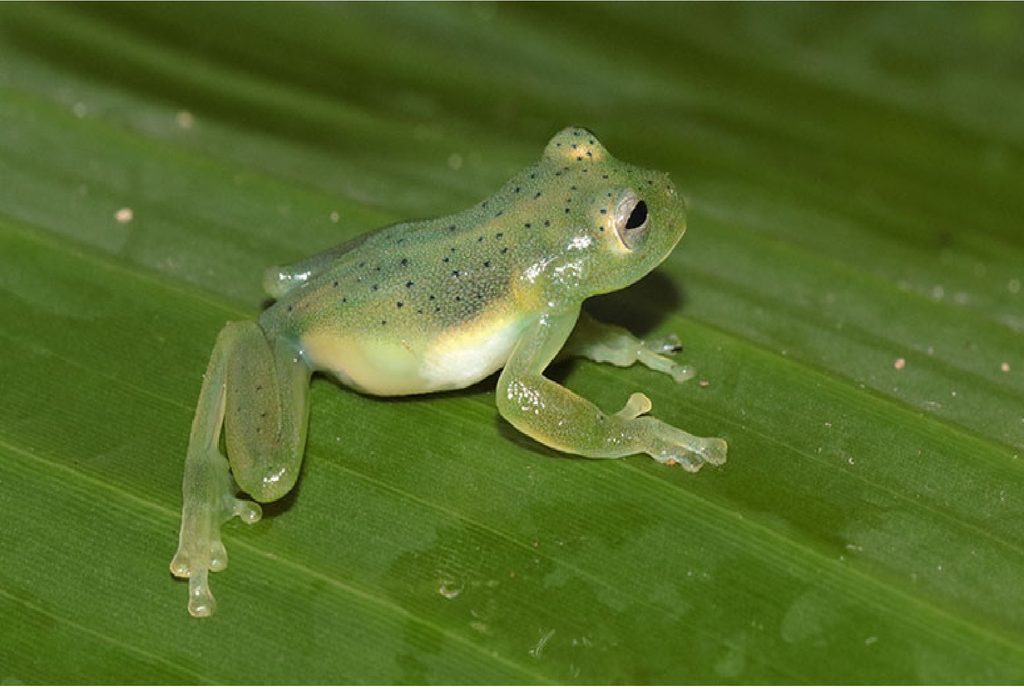
In southern and eastern Colombia, the Rios Diversos project, a collaboration between the Amazonian Scientific Research Institute SINCHI and the Biodiversity and Development Initiative for Putumayo (IBDP), has unveiled a treasure trove of aquatic life and plant species in the Caqueta and Putumayo river basins. This study, carried out at 25 strategic locations across hill landscapes and alluvial plains, has revealed an impressive biodiversity that could bolster Colombia's natural resources and provide valuable insights into conservation efforts.
Among the findings, the research identified 165 fish species, including seven migratory ones crucial for local food security. Additionally, some species were discovered that had not been previously documented in Colombia or the Amazon. Five potential new termite species and other aquatic macroinvertebrates, such as the Pagelmis amazonica beetle, were also recorded. The project documented 281 plant species from 62 families, many of which have medicinal, industrial, soil protection, and nitrogen-fixing applications.
What sets Rios Diversos apart is its participatory approach, engaging over 100 local residents, including community leaders and rural inhabitants, as co-researchers. This collaboration highlighted the cultural, recreational, and economic importance of water to the region's residents, while also identifying key threats such as deforestation, improper waste disposal, and untreated water discharges.
The research revealed that amphibian and reptile species populations have declined, indicating a rapid transformation of the landscape and potential loss of essential habitats.
While water quality was mostly classified as acceptable, recurring presence of total coliforms suggests contamination from domestic and agricultural sources, rendering the water unsuitable for direct consumption. To address this issue, the upcoming actions of the IBDP Alliance will involve education sessions for rural communities and institutional actors, distributing educational materials, illustrated fauna catalogs, and the scientific book detailing the project's findings.
The Biodiversity and Development Initiative for Putumayo, a public-private alliance led by ANDI, aims to protect, conserve, and restore biodiversity in the region through a participatory and differentiated approach.
Written by urgent.news from Colombia One's reporting — not their text. Machine-written — may contain errors; check the original before relying on it.