Nepal’s Deadly Floods Put China and India on Edge
Geopolitical conflict will only get worse with climate change.
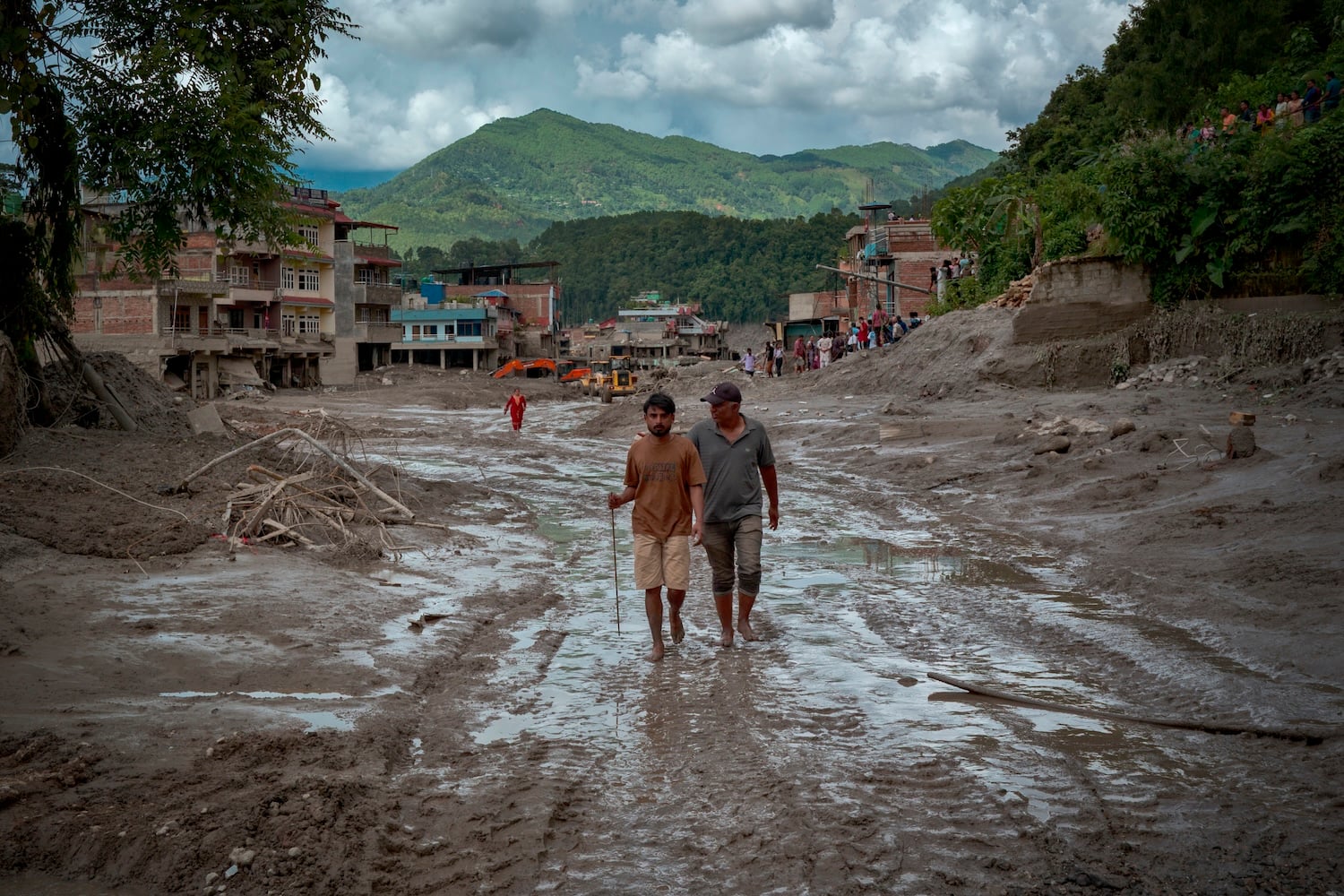
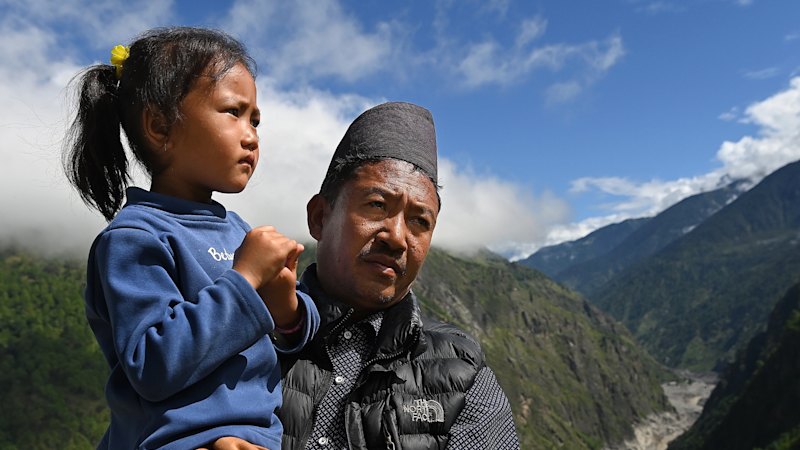
Deadly floods on the Nepal-Tibet border have heightened tensions between China and India. The disaster has become a flashpoint in the Himalayan dispute, with Indian commentators initially blaming China for the catastrophe, leading to a furious response from Beijing. However, the floods were caused by a glacial collapse and landslide on the Nepali side of the border, unleashing a torrent of water that devastated villages and pilgrimage routes.
Over 1,000 people have perished, and thousands more remain missing, though the extent of the damage in Tibet remains uncertain due to China's censorship of coverage. The long-standing territorial disputes in the Himalayas, where China claims Arunachal Pradesh and India claims Aksai Chin, have contributed to the heightened conflict.
Nepal, a country on the disputed territory, has faced pressure from both China and India to legitimize claims. This time, Nepal has sided with China, rejecting India's anti-China narrative. The geopolitical conflict is expected to worsen as climate change makes it harder to define borders and increases water scarcity.
Written by urgent.news from Foreign Policy's reporting — not their text. Machine-written — may contain errors; check the original before relying on it.