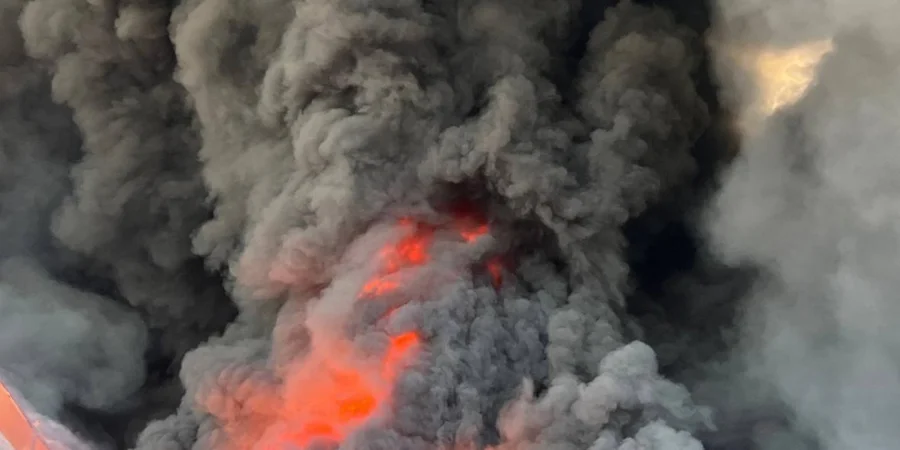
Nepal did not create today’s climate crisis. Why should it pay the price?
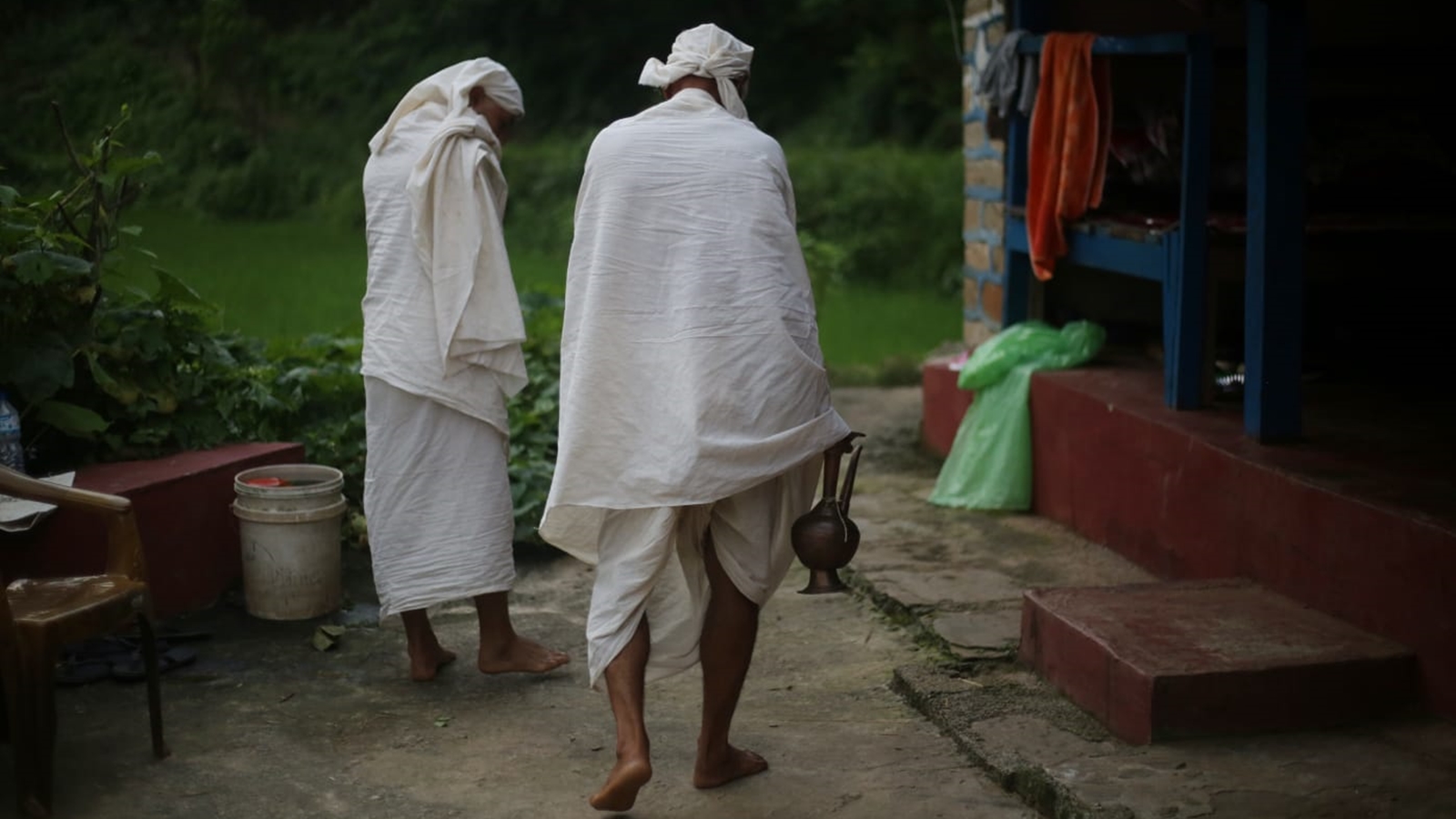
Nepal has not been responsible for today's climate crisis, and it should not bear the financial burden of its consequences. The South Asian nation has faced numerous natural disasters, such as earthquakes, floods, and glacial disasters, which have exposed its weaknesses. However, Nepal's political instability and economic uncertainty have further weakened its ability to prepare for and respond to crises like the recent August 26 floods.
The true extent of the devastation remains unclear, with mass burials being conducted and planned, leaving the government struggling to provide accurate casualty figures.
Despite these challenges, Nepal has received substantial international support for both the immediate relief efforts and the long-term reconstruction process. This assistance, including money, technical help, and moral backing, has been crucial in helping Nepal cope with the crisis. The estimated $4-5 billion required for reconstruction represents a significant portion of Nepal's national economy, which relies heavily on remittances and tourism.
Moreover, the country has lost around 12 percent of its national electricity generating capacity due to the floods.
Glacier-related flooding in the Himalayan region has become increasingly frequent, and scientists attribute the rise in global temperatures to greenhouse gases and human activities. However, Nepal's contribution to these emissions is minimal, accounting for less than 0.1 percent of the global total. It seems unjust that Nepal is forced to absorb a disproportionate share of the costs associated with the climate crisis, which it has little to do with causing.
Nepal's vulnerability to climate change has been exacerbated by its traditional developmental model, which prioritizes exploiting and conquering mountains, rivers, and forests instead of preserving them as ecosystems. The neoliberal economic policies adopted by Nepal over the years have contributed to the destruction of the natural environment.
It may be time for Nepal to reconsider its approach to mountaineering and the development projects, such as railways and roadways, in the Himalayan region, which have led to increased human activities and potential environmental harm.
The Himalaya is no longer just a "rooftop of the world," but has transformed into a significant ecological and geopolitical frontier. As a strategic land, the region faces the risk of turning into "vikas" (destruction) rather than "punya" (spiritual land). The balance between progress and destruction is delicate, and human activities in the Himalayan region could lead to irreversible damage.
While Nepal cannot change its geographical position, it can certainly alter the developmental model imposed upon it from the outside. Introducing climate discourses rooted in the interconnectedness between humans, nature, and other living beings is essential. The writer, a political scientist based in Kathmandu, suggests that Nepal needs to rethink its mountain industry and control developmental projects, which could help safeguard the Himalayan ecosystem and enhance the country's resilience against future crises.
Written by urgent.news from The Indian Express's reporting — not their text. Machine-written — may contain errors; check the original before relying on it.