Nepal-China floods highlight a growing front of the climate change crisis
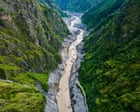
On August 26, a section of glacier collapsed at an altitude of more than 5,000 metres on the Nepalese side of the Himalayas. The falling ice and rock accelerated down a steep valley at about 50 metres per second, scouring debris and transforming into a high-speed mudslide that slammed into Gyirong Port on the Chinese side just seven minutes later. The force of the flow largely buried and…
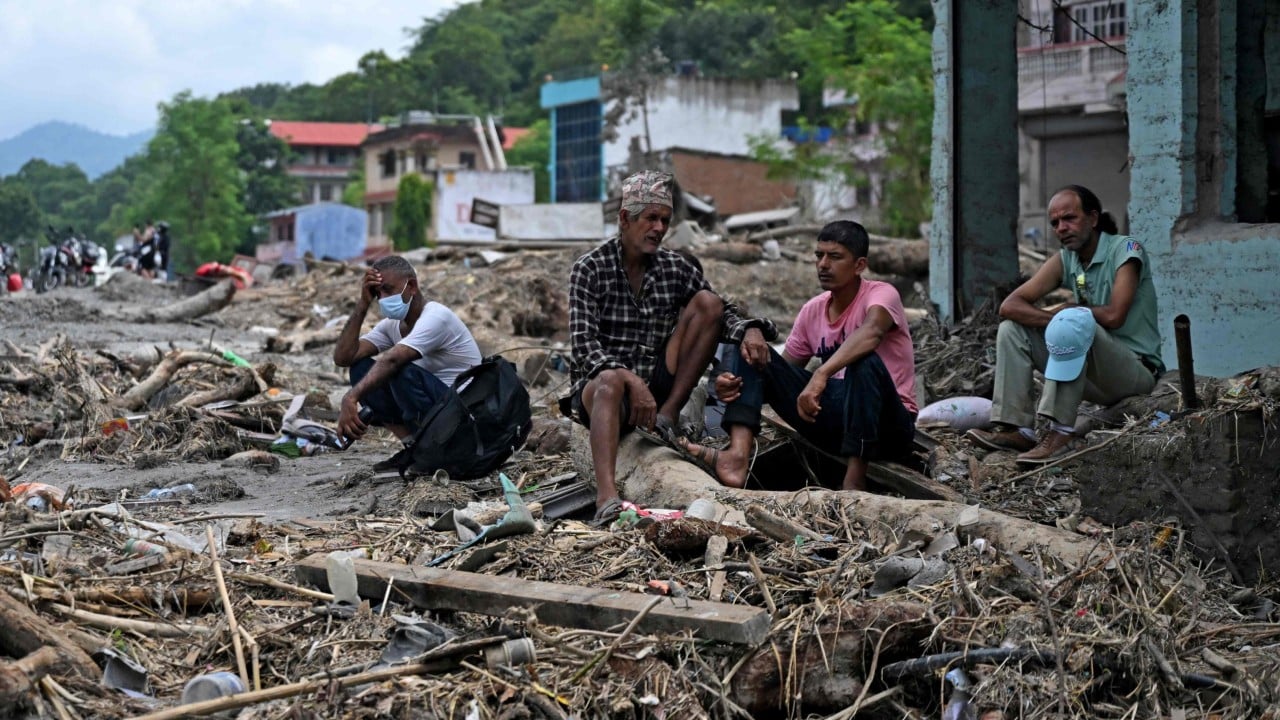
On August 26, a section of glacier dislodged near 5,000 meters in the Nepalese Himalayas. The falling ice and rock raced down the valley at approximately 50 meters per second, eroding debris and forming a high-speed mudslide that struck Gyirong Port in China just seven minutes later. The sheer force of the flow largely destroyed border facilities.
Numerous individuals, many of them tourists, are still unaccounted for in China. Thousands of Nepalese villagers were washed away, leaving hundreds dead and thousands still missing. While coastal island nations face the immediate threat of rising seas, the catastrophic mudslide across the China-Nepal border highlights a more insidious, multidimensional climate risk.
Sea-level rise is the most predictable and widely acknowledged threat, but extreme rainfall and catastrophic flooding are also wreaking havoc. Drought, exemplified by Europe's severe water shortages and wildfires, is another growing concern. However, a fourth threat has come into sharp focus: cryo-hydrological hazards. These disasters occur when destabilized ice, snow, and meltwater interact in rapidly warming high mountain regions, leading to sudden, catastrophic outcomes.
Scientists note that mountain regions, including the China-Nepal border and the Alps, are warming faster than the global average. Since 1981, snow cover days in southern Tibet have decreased by 12.36 days per decade, and the Qinghai-Tibet Plateau has lost about 18 percent of its glacier area between 1985 and 2020. The Gyirong disaster underscores the sudden, unpredictable nature of these hazards, which can be triggered by even minor disturbances.
As glaciers retreat and permafrost thaws, mountain communities face an increased risk of sudden, destructive events. The world is accustomed to preparing for sea-level rise, but the mountain communities' challenges necessitate a different approach. Despite the existential threat of a warming planet, nations remain embroiled in geopolitical rivalries.
As the world grapples with a crisis that knows no borders, the focus should shift from competition to shared resilience.
Written by urgent.news from South China Morning Post's reporting — not their text. Machine-written — may contain errors; check the original before relying on it.