Natthaphong says 1.6bn-baht TH-AI Passport poor value, raises concerns over restrictions
BANGKOK — 1 September 2026, People’s Party leader Natthaphong Ruengpanyawut said the government’s 1.6-billion-baht TH-AI Passport project does not offer good value for money, arguing that the funds could be better spent using artificial intelligence to reform government services. Speaking at the Future Forward Building at 13:00, Natthaphong said he did not oppose efforts to […] The post…
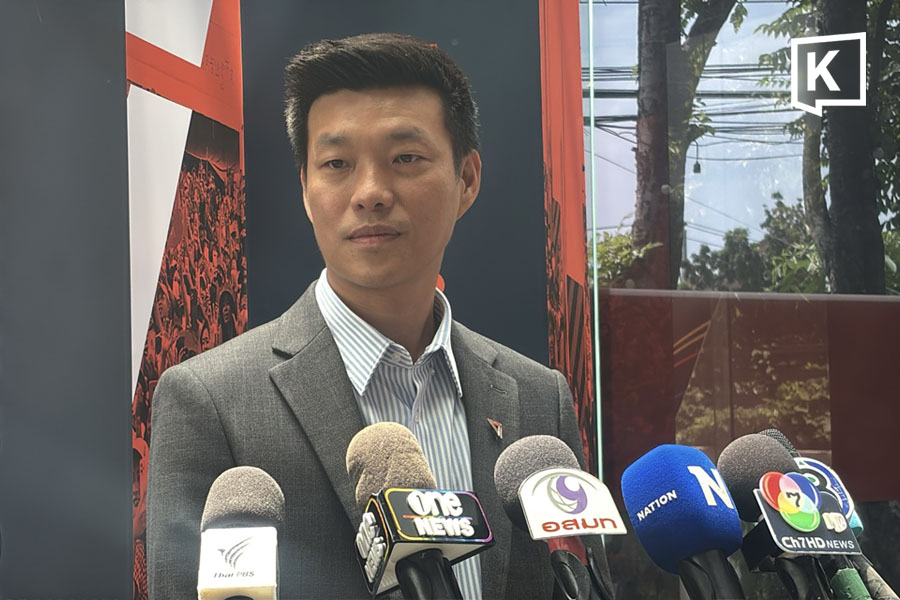
On 1 September 2026, People’s Party leader Natthaphong Ruengpanyawut criticized the government’s 1.6-billion-baht TH-AI Passport project, stating it does not offer good value for money. He suggested that the funds could be better spent on using AI to reform government services. Natthaphong acknowledged support for improving public awareness and understanding of AI but questioned the project’s transparency and how its budget was allocated.
He pointed to Singapore’s approach, where the government focuses on applying AI to improve government processes, rather than merely competing to develop AI models or encouraging public use.
Natthaphong proposed that with the opportunity and authority to decide how to spend the 1.6 billion baht, it could be used more effectively. He emphasized AI’s potential to reduce costs, improve efficiency, and facilitate interactions between businesses and government agencies. When asked about another People’s Party MP, Rukchanok Srinok’s comment that the project was "worse than something free", Natthaphong had tried the TH-AI Passport service himself.
He argued that evaluating the project should not solely focus on whether the AI performs better than other services. Instead, he highlighted that the TH-AI Passport already relies on AI models provided by commercial technology companies. The project aims to boost AI adoption and improve AI literacy, according to Natthaphong. Concerns were raised regarding reported restrictions on certain prompts and generated responses, especially when dealing with sensitive subjects.
Natthaphong pointed out that some questions that the government-backed service could not answer could still be addressed by commercially available services using the same underlying AI models. This raised doubts about whether the TH-AI Passport had been configured to restrict users’ freedom to ask questions or express opinions.
Written by urgent.news from Khaosod English's reporting — not their text. Machine-written — may contain errors; check the original before relying on it.