Namo Bharat: India’s fastest train corridor to soon meet 60% of power needs by solar
The Delhi-Meerut Namo Bharat corridor is set to receive power from a 110 MW captive solar plant, which is expected to fulfil nearly 60% of the corridor’s electricity needs. The National Capital Region Transport Corporation (NCRTC) has signed a power purchase agreement with NIRL NCRTC Renewables Limited (NNRL) for the project.
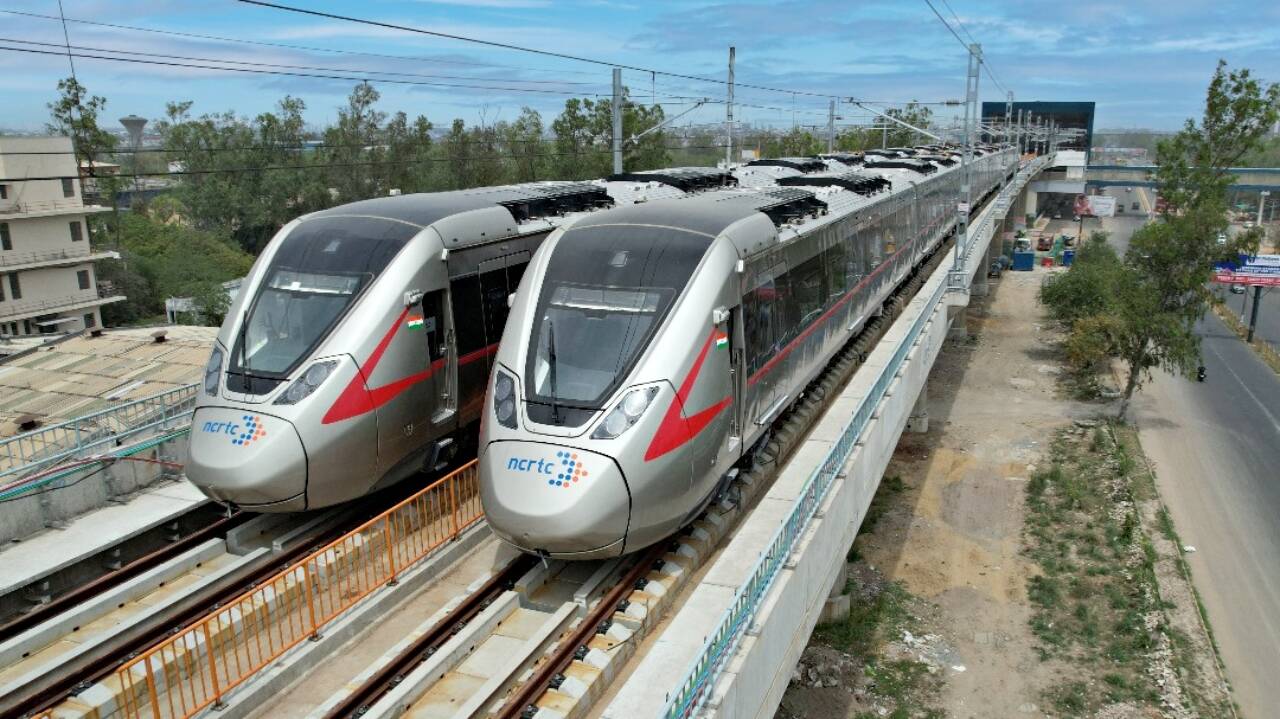
In 2023, India inaugurated its fastest regional train service, the Namo Bharat, which connects Delhi and Meerut. The 80-kilometre Delhi-Meerut corridor, linking key transport hubs, has slashed the journey time to under an hour. This service operates at a maximum speed of 160 kmph.
The Delhi-Meerut Namo Bharat corridor is set to receive power from a 110 MW solar plant, which is projected to supply about 60% of its electricity demands. The National Capital Region Transport Corporation (NCRTC) has entered into a power purchase agreement with NIRL NCRTC Renewables Limited (NNRL) for this project. The solar plant is expected to slash the corridor's annual electricity expenditure by roughly 25%.
Spread across Uttar Pradesh, the Rs 450 crore solar plant will be developed using a 80:20 debt-equity model. After being generated, the electricity will be transmitted via the Uttar Pradesh grid to NCRTC’s substations in Uttar Pradesh and Delhi, before being distributed along the corridor. The NCRTC official said the project would lower carbon dioxide emissions by approximately 1.8 lakh tonnes annually by replacing a significant amount of traditionally generated electricity with solar power.
This initiative is the first of its kind for the country's RRTS and Metro transit systems. NCRTC currently generates over 11 MW of solar power across the Delhi-Ghaziabad-Meerut RRTS corridor, with panels installed at Namo Bharat stations, depots, and other buildings.
Written by urgent.news from Times of India's reporting — not their text. Machine-written — may contain errors; check the original before relying on it.