Milk deliveries fall 3.7% as dry, cold weather triggers supply squeeze
NAIROBI, Kenya, SEP 1-Milk deliveries to processors have fallen by 3.7 per cent as dry and cold weather hits production in key dairy-producing areas, triggering temporary supply constraints in parts…
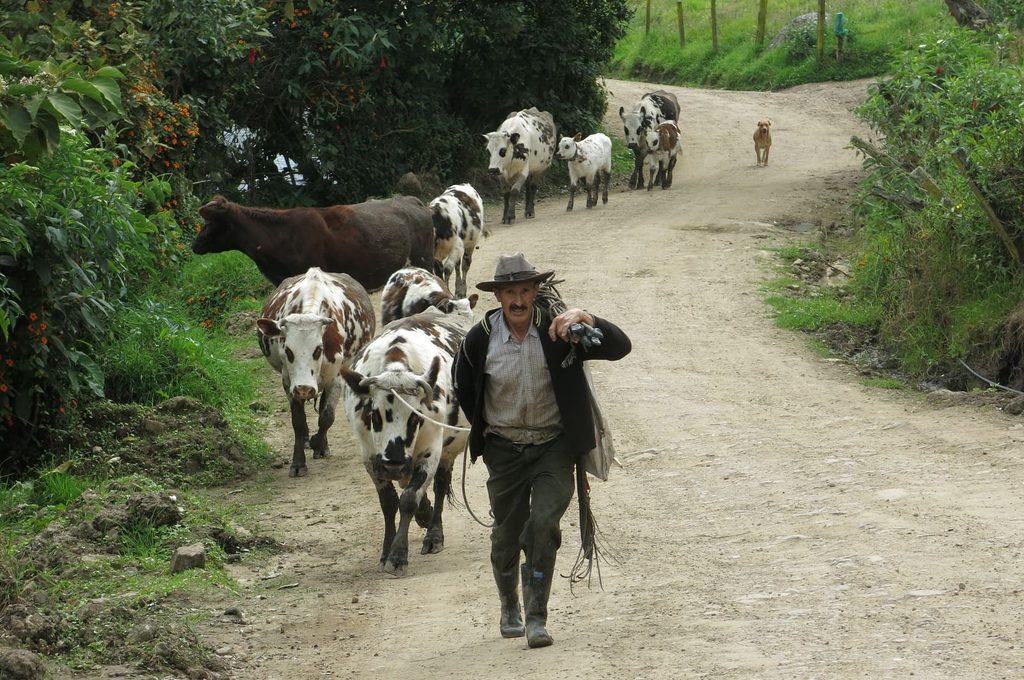
NAIROBI, Kenya - Milk deliveries to processors have decreased by 3.7% due to dry and cold weather impacting production in key dairy-producing regions, resulting in temporary supply issues across the country. The Kenya Dairy Board reported that formal milk deliveries dropped from 84.4 million liters in June to 81.3 million liters in July, with a projected decline in August.
The shortage has led to varying milk shortages, with some retailers experiencing low stock, limited brand and pack size availability, and delayed replenishment. Pasteurized milk has been the most affected, while long-life milk, such as extended shelf-life (ESL) and ultra-high-temperature (UHT) milk, remains relatively accessible.
Despite the challenges, the Board assured the public and industry stakeholders that milk remains available in the market, with retail prices generally stable. The Board attributes the supply pressures to seasonal production conditions, particularly dry and cold weather in key milk-producing areas. Milk production typically suffers when pasture and fodder availability decreases, affecting the supply to processors.
The KDB anticipates an improvement following the October-November-December 2026 rainfall season, which is expected to enhance pasture and fodder availability and support milk production recovery. The government is taking steps to bolster production and make the dairy value chain more resilient to seasonal fluctuations, such as procuring milk coolers for better aggregation and preservation and supporting dairy herd improvement through subsidized sexed semen.
These measures aim to boost production capacity and promote more consistent milk supplies. The Board continues to monitor milk production, formal deliveries, market availability, and retail prices while collaborating with industry stakeholders to maintain supplies. The KDB expects the current supply constraints to be temporary and expects conditions to improve as weather conditions become more favorable.
Written by urgent.news from Capital FM Kenya's reporting — not their text. Machine-written — may contain errors; check the original before relying on it.
This story
This is one outlet's version. Read the fullest account.